Methodology
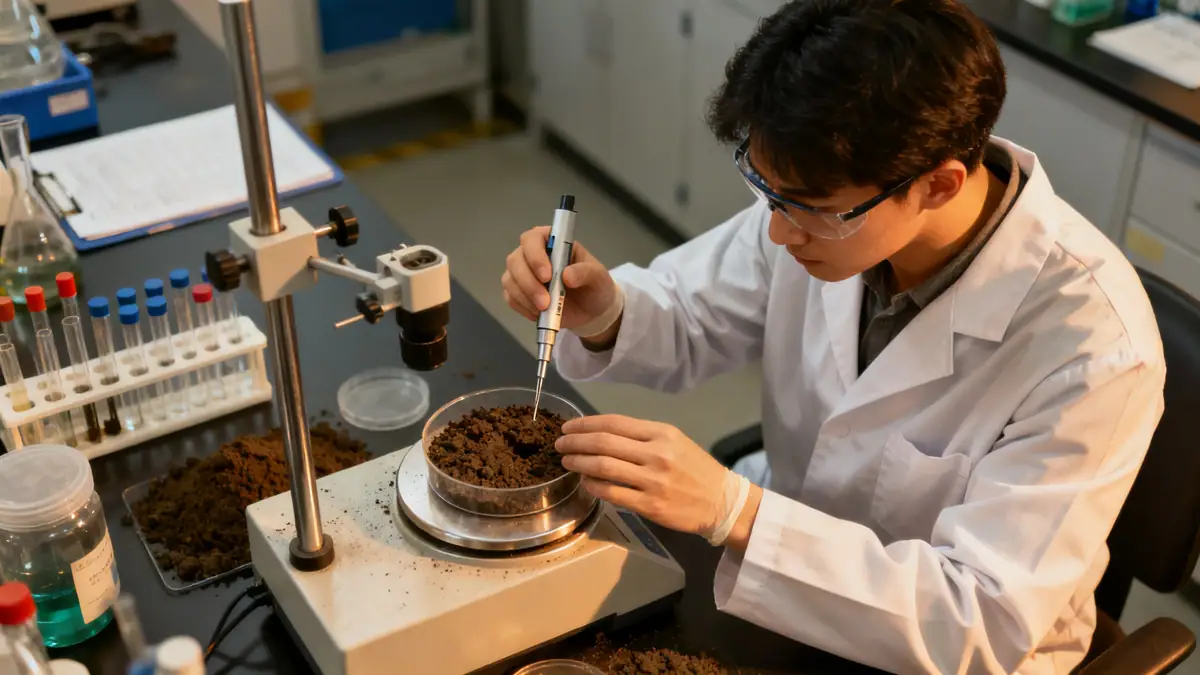
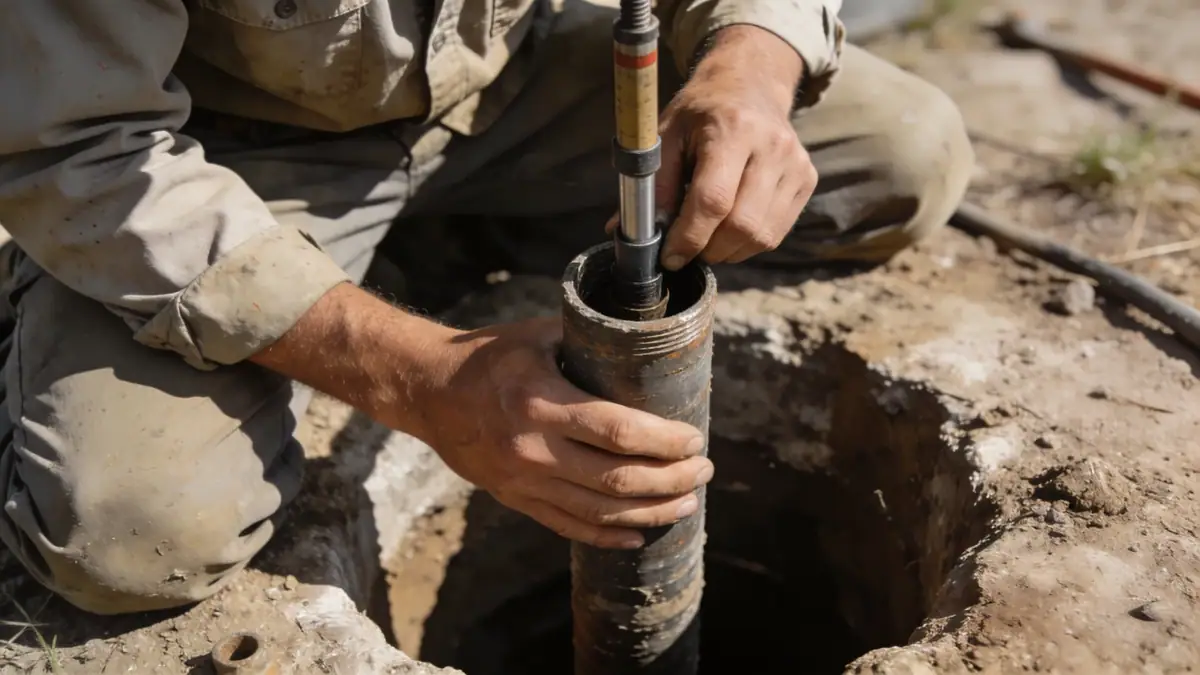
Our methodology for geotechnical engineering in Corona begins with a comprehensive review of existing geologic maps and nearby boring logs. We then conduct a field exploration program tailored to the site, typically including spt boring at 1.0–1.5 m intervals per ASTM D1586, supplemented by hand auger or test pits where access is limited. Laboratory testing follows on representative samples for classification, strength, and consolidation parameters. Analysis incorporates site-specific seismic hazard data and local building code requirements, ensuring our recommendations address both static and dynamic loading conditions.
Reference Technical Parameters
| Parameter | Reference Value |
|---|---|
| Predominant Soil Type | Alluvial sands and silts with gravel lenses, clay layers in older terraces |
| Maximum Seismic Acceleration (PGA) | 0.4–0.6g (ASCE 7, Site Class D) |
| Typical Groundwater Level | 3–15 m below grade, variable with season and location |
| Bedrock Depth | 30–60 m (Tertiary sedimentary rock) |
| Typical N60 Range | 10–40 blows/ft (sands); 5–20 blows/ft (silts/clays) |
Local Considerations — Corona California
Corona's geology is dominated by Quaternary alluvium from the Santa Ana River and its tributaries, with localized deposits of older terrace gravels and clays. Expansive soils are common in the northern and eastern areas, requiring special foundation measures such as post-tensioned slabs or drilled piers. The city lies within Seismic Zone 4, with multiple active faults including the San Jacinto and Elsinore faults. Liquefaction potential exists along the Santa Ana River corridor. Our team regularly coordinates with the City of Corona Building Division and references the Corona General Plan Safety Element. For broader regional context, our geotechnical engineering in Los Angeles team supports cross-jurisdictional projects.
Request a Quote
Our team reviews your project and issues an initial report at no cost.
Or write us directly at [email protected]
Services in Corona California
Applicable Standards
- ASTM D1586 (Standard Penetration Test)
- ASCE 7-16 Minimum Design Loads for Buildings
- California Building Code (CBC) 2022
- City of Corona Municipal Code Chapter 15
Frequently Asked Questions
What soil types are typical in Corona, California?
Corona's subsurface predominantly consists of alluvial sands, silts, and gravels, with occasional clay layers in older terrace deposits. Expansive clays are found in the northern and eastern parts of the city, requiring careful evaluation for foundation design.
How does seismic activity affect geotechnical engineering in Corona?
Corona is in Seismic Zone 4 with high PGA values (0.4–0.6g). Geotechnical reports must address fault rupture, liquefaction, and dynamic settlement per ASCE 7. Our analyses incorporate site-specific response spectra and peak ground acceleration maps.
Are geotechnical studies required for all construction in Corona?
Yes, the City of Corona requires a geotechnical investigation for most new buildings and additions, especially in areas with known expansive soils or seismic hazards. The report must be prepared by a licensed geotechnical engineer and submitted with the building permit application.