Methodology

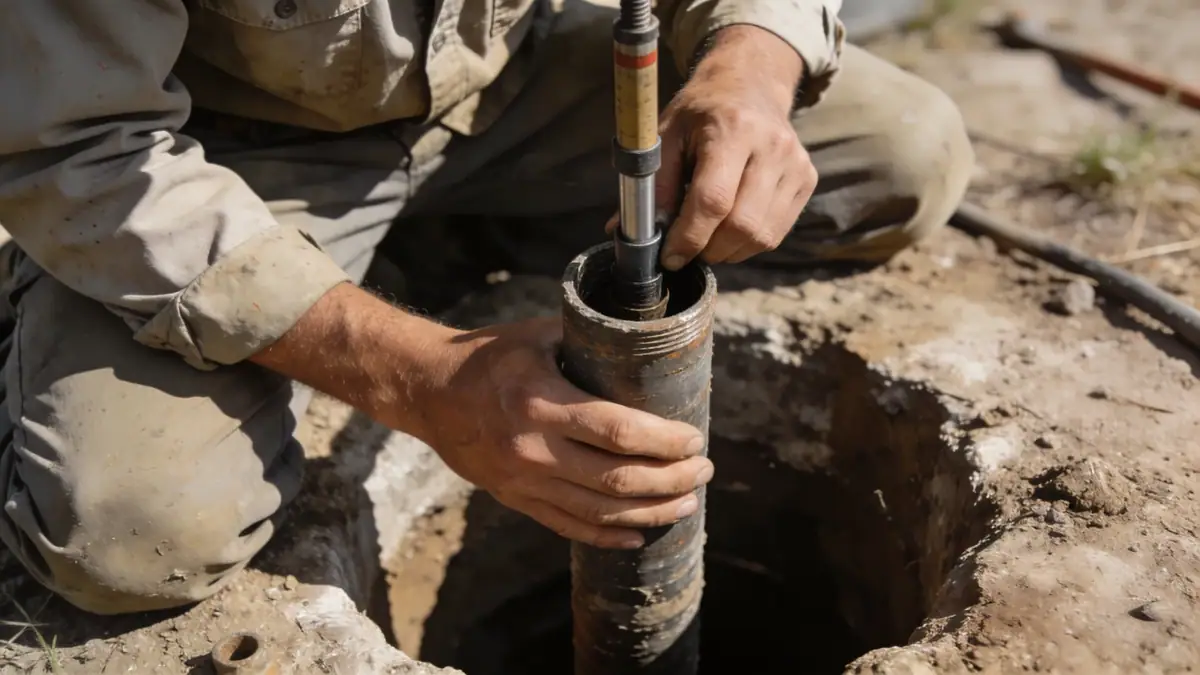
Our methodology in Fremont begins with a thorough review of available geologic maps and previous subsurface data. Field investigations typically involve a combination of spt boring and test pits, executed in accordance with ASTM D1586, to characterize soil stratigraphy and groundwater conditions. Samples are then analyzed in our soil mechanics laboratory to determine index properties, strength, and consolidation characteristics. For seismic evaluations, we assess liquefaction potential and site class per ASCE 7. This integrated approach allows us to develop robust geotechnical models that inform foundation design, earthwork, and slope stability analyses, ensuring reliable performance under both static and seismic loading.
Reference Technical Parameters
| Parameter | Reference Value |
|---|---|
| Predominant soil type | Alluvial silt and clay with sand lenses |
| Maximum seismic acceleration (PGA) | 0.4g to 0.6g (ASCE 7 site class D) |
| Typical groundwater level | 2 to 6 meters below ground surface |
| Bedrock depth | Variable, 10 to 30 meters (Great Valley sequence) |
| Typical N60 range | 5 to 30 blows per foot (SPT) |
Local Considerations — Fremont
Fremont's geology is dominated by alluvial fan deposits from the nearby hills, with interbedded clays, silts, and sands. The Hayward Fault passes through the eastern part of the city, imposing significant seismic design requirements. Groundwater levels are shallow in low-lying areas near the bay, requiring dewatering considerations for excavations. Older residential neighborhoods often have undocumented fill, while newer developments on the eastern slopes encounter stiffer soils and rock. Typical challenges include liquefaction in sandy layers, expansive clay behavior, and variable bedrock depth. Our team integrates these local factors into every investigation, referencing our geotechnical engineering en Los Angeles experience to ensure consistency across California projects.
Request a Quote
Our team reviews your project and issues an initial report at no cost.
Or write us directly at [email protected]
Services in Fremont
Applicable Standards
- ASTM D1586
- ASCE 7
- California Building Code (CBC)
Frequently Asked Questions
What are the typical soil conditions in Fremont?
Fremont's soils are primarily alluvial deposits from the surrounding hills, consisting of interbedded silts, clays, and sands. Near the bay, soft bay mud and peat may be encountered. Groundwater is generally shallow, and the area is seismically active due to the nearby Hayward Fault.
Is a geotechnical study required for construction in Fremont?
Yes, the California Building Code and local jurisdictions typically require a geotechnical investigation for new construction, additions, and certain renovations. The study must address seismic hazards, soil bearing capacity, and groundwater conditions to ensure structural safety and code compliance.
How does the Hayward Fault affect geotechnical engineering in Fremont?
The Hayward Fault is a major active fault with a high probability of a magnitude 6.8 or larger earthquake in the coming decades. Geotechnical investigations must evaluate surface rupture potential, liquefaction, and strong ground shaking. Site-specific seismic analyses per ASCE 7 are essential for design.