Methodology
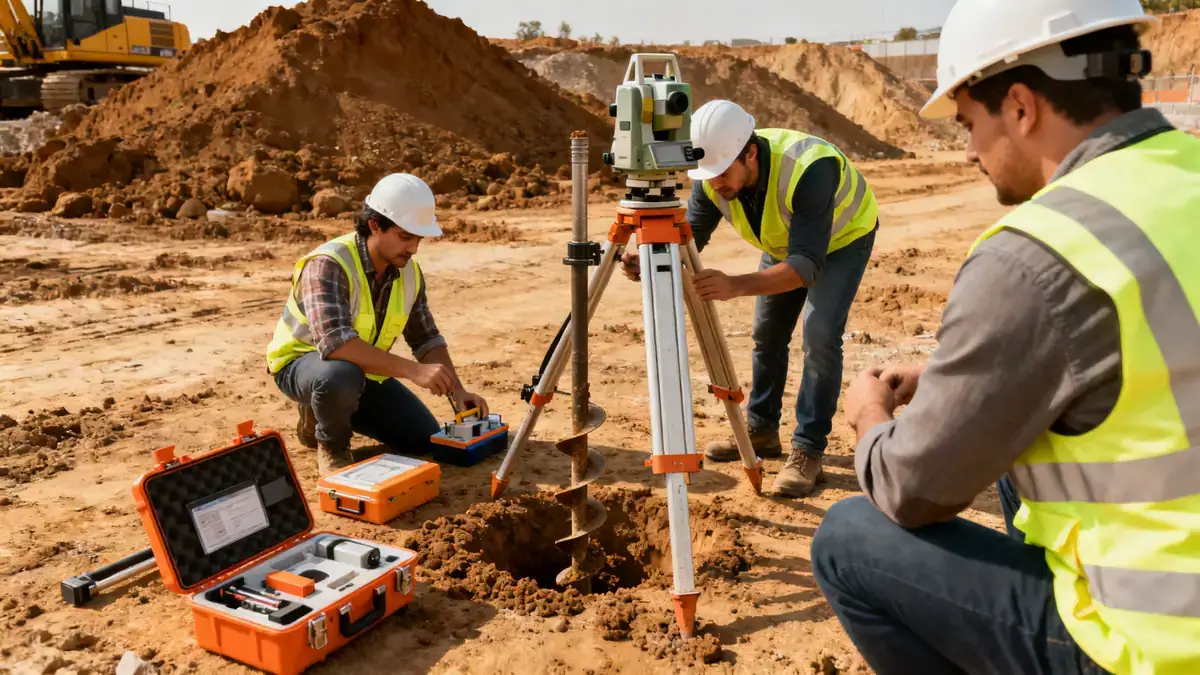
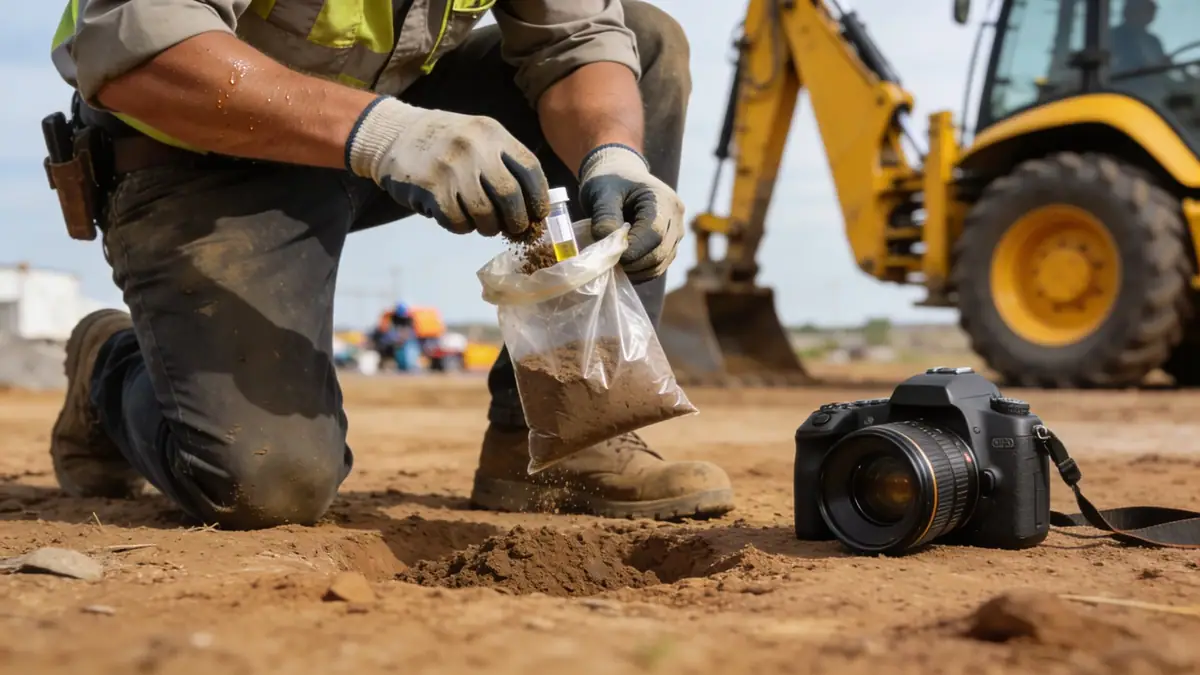
Our methodology in San Jose integrates regional geological data with advanced field and laboratory techniques. We perform spt boring to standard penetration resistance (N60) values, using ASTM D1586 sampling at 1.5 m intervals to depths of 15-30 m. Soil classification follows the Unified Soil Classification System, with laboratory testing per ASTM D2487. Seismic hazard assessments incorporate ASCE 7-16 criteria, including site class determination and liquefaction potential evaluation. Our approach ensures compliance with local codes and provides robust data for foundation design, slope stability, and earthwork recommendations.
Reference Technical Parameters
| Parameter | Reference Value |
|---|---|
| Predominant soil type | Silty clay and clayey sand (CL, SC) |
| Maximum seismic acceleration (PGA, 2% in 50 years) | 0.6–0.8 g |
| Typical groundwater level | 2–5 m below ground surface |
| Bedrock depth | 30–60 m (Franciscan Complex) |
| Typical N60 range (0–15 m depth) | 5–25 blows/ft |
Local Considerations — San Jose
San Jose lies on the Santa Clara Valley alluvial plain, underlain by deep Quaternary deposits of silty clay and sand. High groundwater (2–5 m) poses challenges for excavation and foundation drainage. Seismic hazards are significant due to nearby faults (San Andreas, Hayward, Calaveras); our team evaluates liquefaction and lateral spreading. Older downtown areas feature variable fill, while newer developments on the valley floor require careful compaction. Our office coordinates with the City of San Jose Public Works for permits. For regional context, we collaborate with our geotechnical engineering team in Los Angeles on multi-site projects.
Request a Quote
Our team reviews your project and issues an initial report at no cost.
Or write us directly at [email protected]
Services in San Jose
Applicable Standards
- ASTM D1586 (Standard Penetration Test)
- ASCE 7-16 (Minimum Design Loads for Buildings)
- California Building Code (CBC) 2022
- City of San Jose Grading and Erosion Control Ordinance
- Santa Clara Valley Water District Standards
Frequently Asked Questions
What soil types are common in San Jose?
San Jose's soils are predominantly Quaternary alluvium, consisting of silty clays (CL) and clayey sands (SC). These fine-grained deposits often exhibit high plasticity and moderate compressibility, requiring careful evaluation for foundation settlement and seismic response.
How do seismic codes affect geotechnical work in San Jose?
San Jose falls under Seismic Design Category D per ASCE 7, requiring site-specific response spectra and liquefaction analysis. The California Building Code mandates geotechnical reports for most structures, with peer review for essential facilities, ensuring designs withstand peak ground accelerations up to 0.8 g.
Is a geotechnical study mandatory for residential projects in San Jose?
Yes, for new homes and major additions, the City of San Jose requires a geotechnical investigation. This includes soil borings to 15 m depth, laboratory testing, and recommendations for foundations, slab-on-grade, and drainage, per CBC Chapter 18.