Methodology
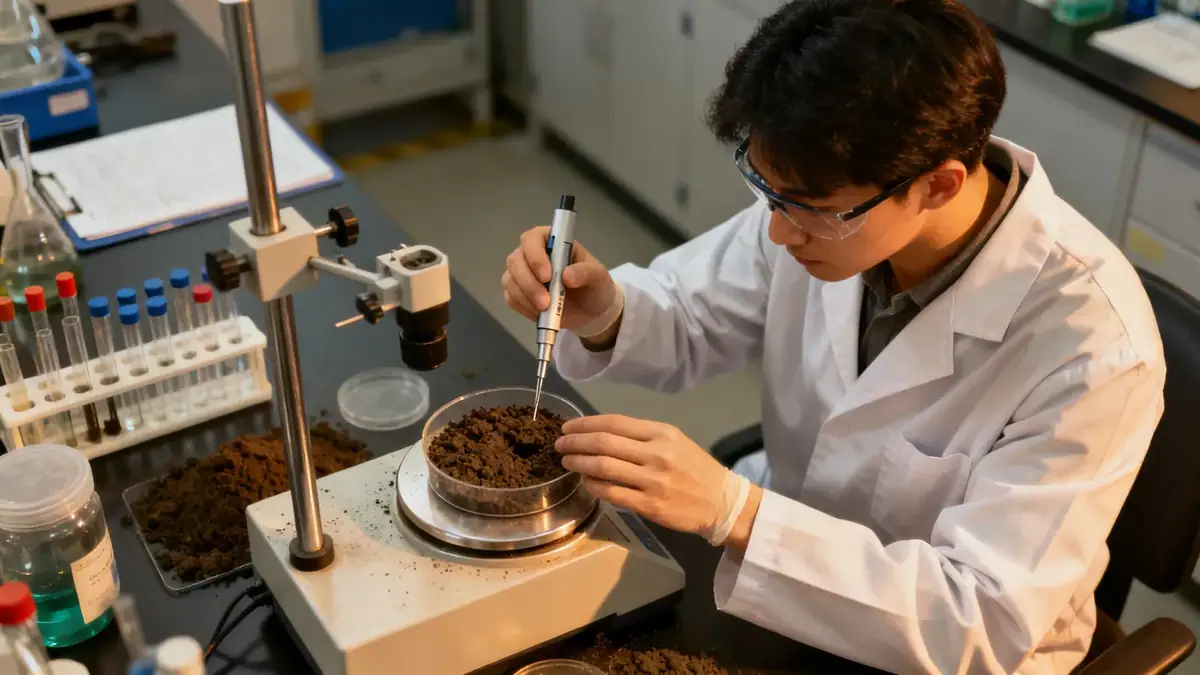
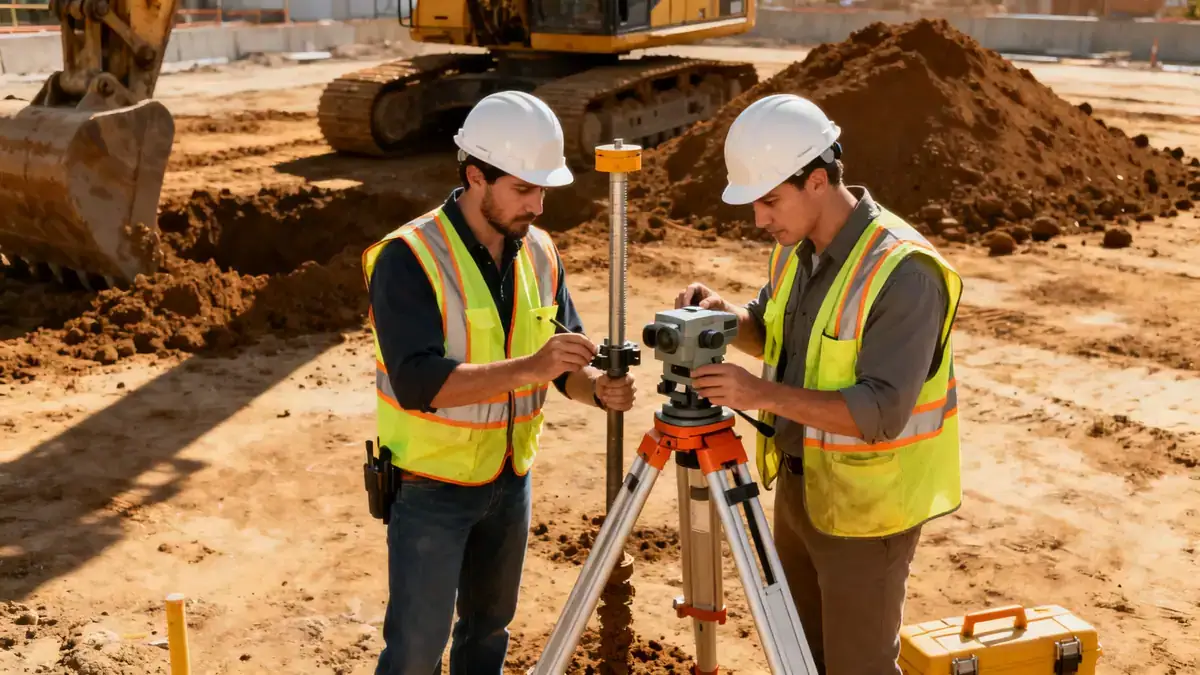
Our approach to geotechnical engineering in Oxnard integrates site-specific exploration with advanced laboratory testing. We typically perform spt boring at 1.5-meter intervals in accordance with ASTM D1586 to obtain N60 values and undisturbed samples. For cohesive soils, we conduct Atterberg limits and unconfined compression tests; for granular soils, sieve analyses and direct shear tests are standard. We also evaluate groundwater conditions using temporary piezometers and monitor fluctuations over at least two wet seasons. All data are synthesized into a geotechnical model that addresses bearing capacity, settlement, and seismic hazards such as liquefaction and lateral spreading. Our deliverables include clear recommendations for foundation type, depth, and construction considerations specific to Oxnard's alluvial environment.
Reference Technical Parameters
| Parameter | Reference Value |
|---|---|
| Predominant soil type | Interbedded sands, silts, and clays (alluvium) |
| Maximum seismic acceleration (PGA) | 0.6g (MCE, Site Class D) |
| Typical groundwater level | 3–10 ft below ground surface |
| Bedrock depth | >100 ft (deep alluvial basin) |
| Typical N60 range | 5–30 blows/ft (variable by depth) |
Local Considerations — Oxnard
Oxnard's alluvial plain presents variable soil layering and shallow groundwater, requiring careful evaluation for foundation design. 1) Soil variability: interbedded sands and clays necessitate continuous sampling and SPT testing to identify weak layers. 2) High seismic hazard: PGA up to 0.6g demands liquefaction assessment per ASCE 7-16, especially in areas with loose sands and high water table. 3) Groundwater: seasonal fluctuations up to 5 ft affect excavation dewatering and foundation type selection. 4) Urban versus agricultural zones: developed areas often have undocumented fill requiring deeper foundations; agricultural parcels may have near-surface peat layers. 5) Typical projects: single-family homes on shallow footings, multi-story buildings on mat foundations or piles. For regional context, our geotechnical engineering en Los Angeles practice addresses similar alluvial conditions but with deeper groundwater and lower seismic demands.
Request a Quote
Our team reviews your project and issues an initial report at no cost.
Or write us directly at [email protected]
Services in Oxnard
Applicable Standards
- ASTM D1586 (Standard Test Method for Standard Penetration Test)
- ASCE 7-16 (Minimum Design Loads and Associated Criteria for Buildings)
- California Building Code (CBC) 2022
- ASTM D2487 (Classification of Soils for Engineering Purposes)
Frequently Asked Questions
What are the typical soil conditions encountered in Oxnard?
Oxnard soils are predominantly Quaternary alluvium consisting of interbedded sands, silts, and clays. These deposits can vary significantly over short distances, with loose sands and soft clays occurring at shallow depths. Groundwater is typically encountered between 3 and 10 feet below grade, which influences foundation design and construction methods.
How does seismic activity affect geotechnical engineering in Oxnard?
Oxnard lies in Seismic Zone 4 with a PGA of 0.6g. Liquefaction is a primary concern due to loose saturated sands. Geotechnical investigations must assess liquefaction potential using SPT or CPT data and cyclic resistance ratios per ASCE 7. Site-specific response spectra are often required for critical structures.
Are geotechnical studies mandatory for construction in Oxnard?
Yes, the California Building Code requires a geotechnical investigation for most new structures, including residential, commercial, and public buildings. The study must address soil bearing capacity, settlement, groundwater, and seismic hazards. Local jurisdictions may have additional requirements for liquefaction and slope stability.