Methodology

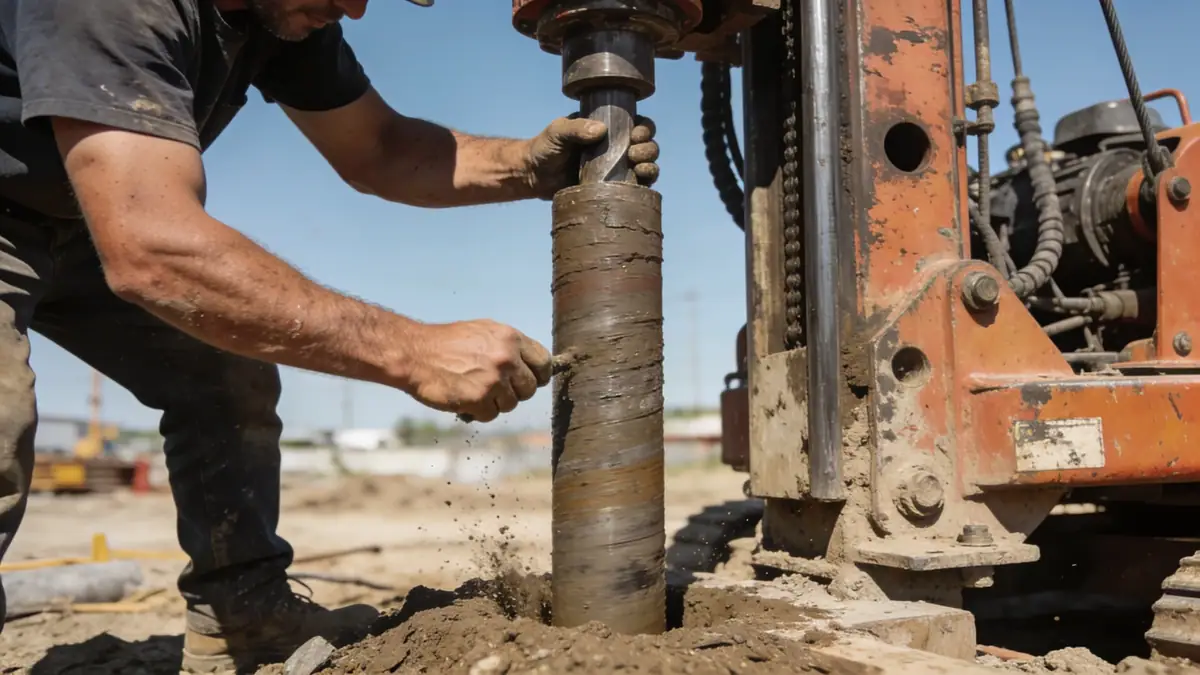
Our methodology for geotechnical engineering in Riverside integrates field investigations such as spt boring and laboratory testing to characterize subsurface conditions. We follow ASTM D1586 for standard penetration tests, ensuring reliable N-values for soil strength assessment. Seismic hazard analyses incorporate ASCE 7 provisions to evaluate liquefaction potential and site class. Our approach includes continuous monitoring and adaptive management to address variability in Riverside's alluvial soils. By combining empirical data with advanced modeling, we deliver robust recommendations for foundation design and earthworks.
Reference Technical Parameters
| Parameter | Reference Value |
|---|---|
| Predominant soil type | Silty sands and gravelly clays (alluvial) |
| Maximum seismic acceleration (PGA) | 0.4g to 0.6g (depending on fault proximity) |
| Typical groundwater level | 5 to 15 meters below surface |
| Bedrock depth | 20 to 50 meters (variable) |
| Typical N60 range (SPT) | 10 to 50 blows/0.3m |
Local Considerations — Riverside
Riverside's geology is dominated by alluvial deposits from the Santa Ana River and adjacent mountain fronts. The region's seismic setting, influenced by the San Jacinto and Elsinore fault zones, requires detailed site-specific evaluations. Our team addresses these challenges through targeted investigations, including slope stability analyses for hillside developments. Groundwater levels can fluctuate significantly, impacting excavation and foundation design. We also have a strong presence in the broader region; for projects requiring broader regional support, consider geotechnical engineering en Los Angeles as a complement to our Riverside operations.
Request a Quote
Our team reviews your project and issues an initial report at no cost.
Or write us directly at [email protected]
Services in Riverside
Applicable Standards
- ASTM D1586
- ASCE 7
- California Building Code (CBC)
- City of Riverside Municipal Code
Frequently Asked Questions
What are the typical soil conditions in Riverside?
Soils in Riverside predominantly consist of alluvial silty sands and gravelly clays, with variable density and cohesion. These deposits often exhibit layering and can contain cobbles, requiring careful field testing to determine engineering properties.
How does seismic activity affect geotechnical design in Riverside?
Riverside lies near active faults, resulting in high seismic hazard. Geotechnical designs must account for potential liquefaction, lateral spreading, and strong ground motions. Site-specific response analyses per ASCE 7 are essential for safe foundation design.
Are geotechnical studies mandatory for construction in Riverside?
Yes, the City of Riverside requires geotechnical investigations for most new structures and significant renovations. Reports must address soil bearing capacity, seismic hazards, and groundwater conditions, following CBC and local guidelines.