Methodology
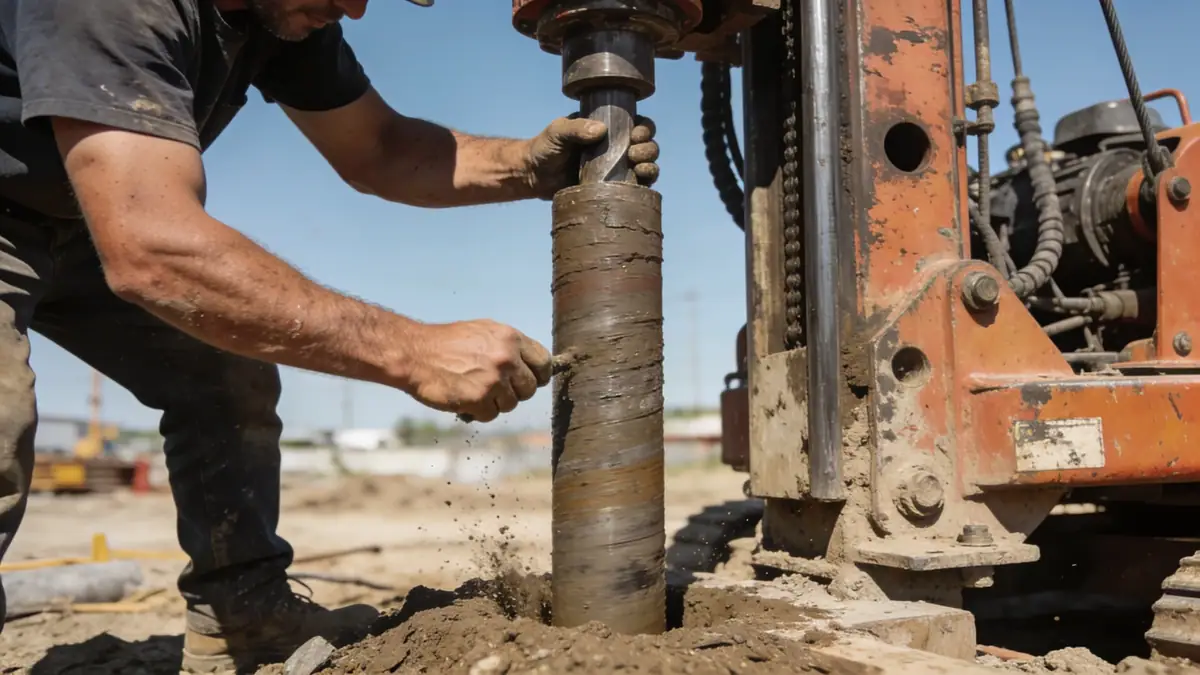
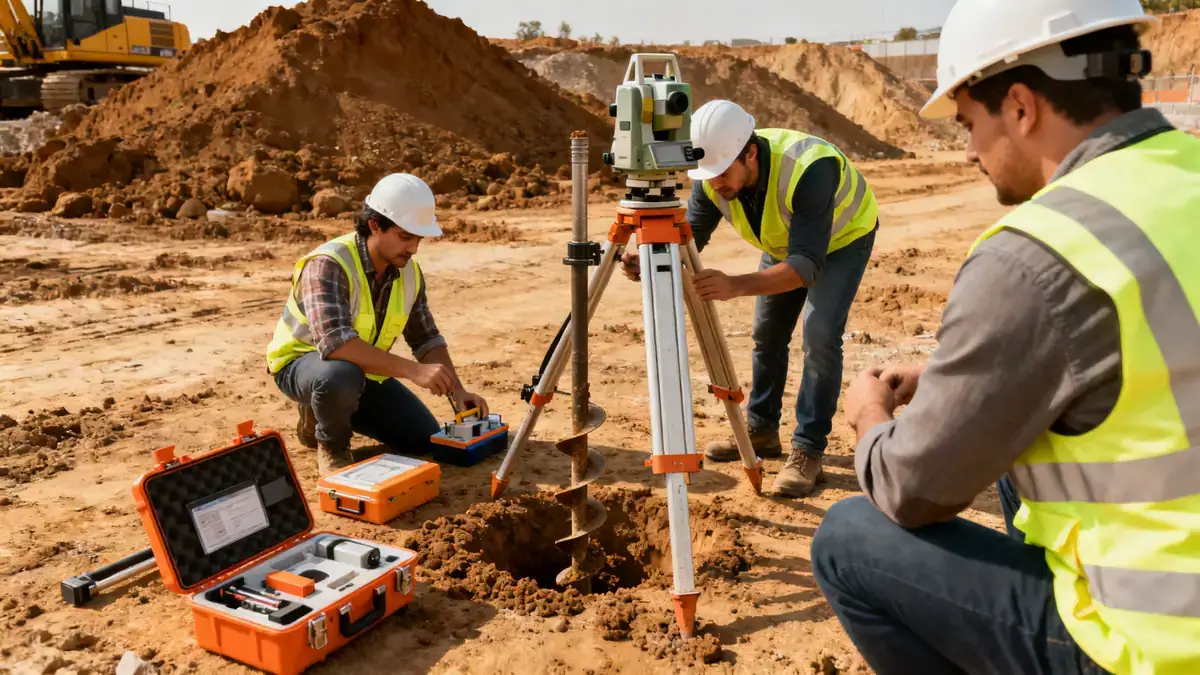
Our approach to geotechnical engineering in Reno begins with a thorough review of existing geological maps and seismic data, including the USGS National Seismic Hazard Model. We then conduct field investigations using spt boring to sample subsurface conditions, with SPT N-values measured per ASTM D1586. Our soil mechanics laboratory performs index properties, strength, and consolidation tests to classify soils and determine design parameters. We analyze slope stability and foundation bearing capacity using limit equilibrium and finite element methods, referencing ASCE 7-22 for seismic loads. This integrated methodology ensures reliable recommendations for all project types in Reno.
Reference Technical Parameters
| Parameter | Reference Value |
|---|---|
| Predominant soil type | Alluvial sands, silts, and clays; playa deposits with expansive clays near former lakebeds |
| Maximum seismic acceleration (PGA, 2% in 50 years) | 0.4–0.6 g per USGS 2023 model |
| Typical groundwater level | 5–15 feet below ground surface in valley floor; deeper in foothills |
| Bedrock depth | 100–500 feet in basin center; shallow (<50 ft) near mountain fronts |
| Typical N60 range (SPT) | 4–15 in alluvial silts; 10–30 in sands; >50 in dense gravels |
Local Considerations — Reno
Reno lies within the Basin and Range province, with active normal faults such as the Mount Rose and Steamboat Springs fault zones. The city's seismic design category per ASCE 7 is D or E, requiring rigorous site-specific response analysis. Shallow groundwater in the valley floor necessitates dewatering and uplift considerations for deep foundations. Expansive clays in areas like Sparks and the Truckee Meadows playa demand moisture conditioning and special foundation designs. Our team provides slope stability assessments for hillside developments and retaining wall design for cut-and-fill projects. We understand the contrast between the downtown alluvium and the rocky foothills, ensuring tailored solutions. For projects requiring broader regional context, our geotechnical engineering en Los Angeles team supports complex multi-site developments.
Request a Quote
Our team reviews your project and issues an initial report at no cost.
Or write us directly at [email protected]
Services in Reno
Applicable Standards
- ASTM D1586 – Standard Test Method for Standard Penetration Test (SPT)
- ASCE 7-22 – Minimum Design Loads for Buildings and Other Structures
- IBC 2021 – International Building Code (adopted by Nevada)
- Nevada Administrative Code (NAC) Chapter 623 – Engineering and Land Surveying
Frequently Asked Questions
What are the typical soil conditions in Reno?
Reno's soils are predominantly alluvial sands, silts, and clays deposited by the Truckee River. In the valley floor, lacustrine silts and clays from ancient Lake Lahontan are common, often with shallow groundwater. Expansive clays are found in the eastern and northern areas, while foothills feature shallow bedrock and colluvial soils.
Is a geotechnical investigation required for residential construction in Reno?
Yes, the City of Reno and Washoe County require a geotechnical report for most new residential construction, especially in areas with seismic hazard, expansive soils, or slopes. The International Building Code (IBC 2021) mandates site characterization to determine seismic design categories and foundation recommendations.
How does seismic activity affect foundation design in Reno?
Reno is in a high seismic zone with peak ground accelerations up to 0.6 g. Foundations must address liquefaction potential in saturated sands, lateral spreading near the Truckee River, and fault rupture avoidance. Our designs incorporate ASCE 7-22 seismic loads and site-specific response spectra.