
Methodology
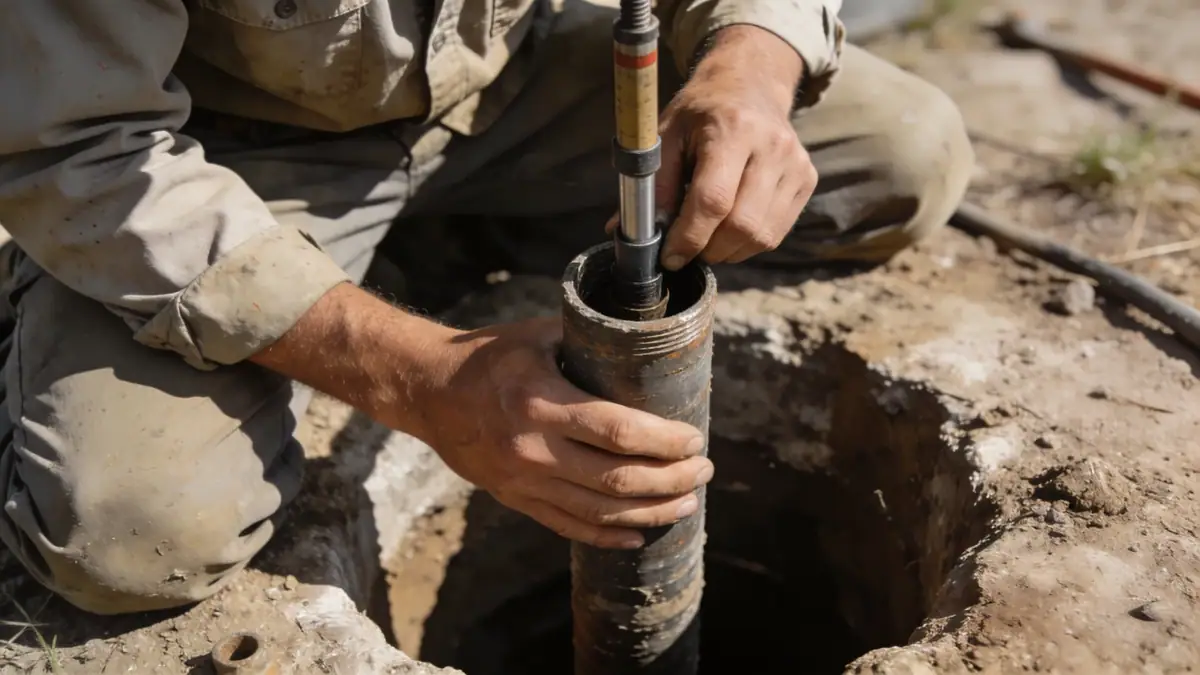
Our methodology for geotechnical engineering in Elk Grove begins with a comprehensive site reconnaissance and review of existing geological data. We then conduct subsurface exploration using techniques such as spt boring and cone penetration testing, with sampling intervals per ASTM D1586. Soil samples are classified in our laboratory using ASTM D2487. We analyze bearing capacity, settlement, and seismic site response to provide foundation recommendations. Our approach integrates local codes and standards to deliver actionable geotechnical parameters.
Reference Technical Parameters
| Parameter | Reference Value |
|---|---|
| Predominant soil type | Alluvial sands, silts, and clays |
| Maximum seismic acceleration (PGA) | 0.3g to 0.4g (per ASCE 7-16) |
| Typical groundwater level | 5 to 15 feet below surface |
| Bedrock depth | Greater than 100 feet |
| Typical N60 range | 5 to 30 blows per foot |
Local Considerations — Elk Grove
Elk Grove's geology consists of alluvial deposits from the Sacramento River, with interbedded sands, silts, and clays. The groundwater table is shallow, often within 10 feet, requiring dewatering considerations. Seismically, the region is subject to moderate ground motions from nearby faults; liquefaction potential is a concern in loose sands. Older neighborhoods may have undocumented fills, while newer developments undergo stricter oversight. Our team has experience with these conditions and coordinates with the soil mechanics laboratory to characterize soil behavior. For broader context, we also collaborate with our geotechnical engineering en Los Angeles office on regional best practices.
Request a Quote
Our team reviews your project and issues an initial report at no cost.
Or write us directly at [email protected]
Services in Elk Grove
Applicable Standards
- ASTM D1586
- ASCE 7-16
- California Building Code (CBC)
- Elk Grove Municipal Code
Frequently Asked Questions
What soil types are common in Elk Grove for geotechnical engineering?
Elk Grove typically has alluvial soils including sands, silts, and clays. These can vary in density and moisture content. Our geotechnical investigations classify soils per ASTM D2487 to assess bearing capacity and settlement.
How does seismic activity affect geotechnical engineering in Elk Grove?
Elk Grove is in a seismically active region with potential peak ground accelerations of 0.3g to 0.4g. Our analyses evaluate liquefaction and seismic settlement per ASCE 7 to ensure foundation designs meet safety standards.
Are geotechnical studies required for construction in Elk Grove?
Yes, the California Building Code and local ordinances typically require geotechnical reports for new structures. Our studies provide soil parameters and recommendations to obtain permits and ensure long-term performance.