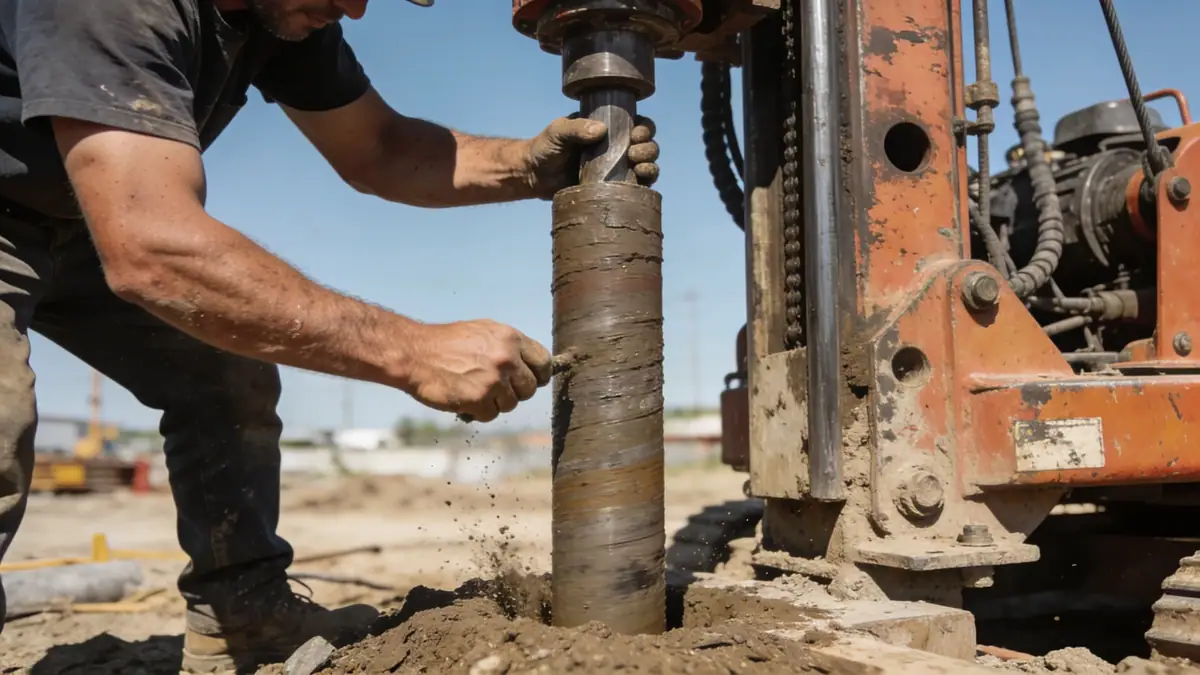
Methodology
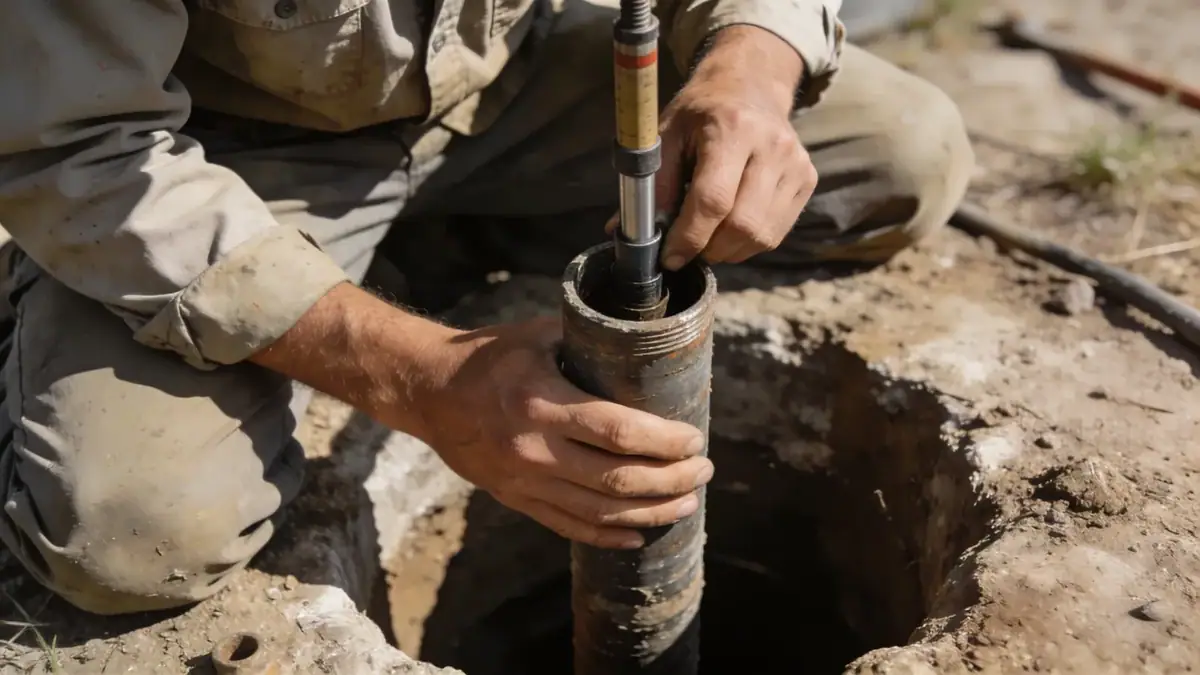
Our methodology for geotechnical engineering in Pasadena California begins with a thorough review of existing geological maps and seismic hazard data. We then perform subsurface explorations using methods such as spt boring to obtain soil samples and measure in-situ properties. Laboratory testing on recovered samples determines index properties, strength, and consolidation characteristics. Our analysis incorporates site-specific seismic response evaluations to estimate design ground motions. We follow a phased approach: reconnaissance, field investigation, laboratory testing, and engineering analysis. Each phase is documented in a detailed report that provides foundation recommendations, allowable bearing capacities, and settlement estimates, ensuring compliance with local building codes and standards.
Reference Technical Parameters
| Parameter | Reference Value |
|---|---|
| Predominant soil type | Alluvial sands, silts, and clays with gravel layers |
| Maximum seismic acceleration (PGA) | 0.4g to 0.5g (Site Class D, ASCE 7-22) |
| Typical groundwater level | 3 to 15 meters below ground surface (variable) |
| Bedrock depth | 10 to 30 meters (weathered bedrock, variable) |
| Typical N60 range | 10 to 30 blows per 0.3 m (SPT, ASTM D1586) |
Local Considerations — Pasadena California
Pasadena's geology is characterized by Quaternary alluvial deposits from the San Gabriel Mountains, underlain by Tertiary sedimentary rocks and crystalline basement. The Raymond Fault crosses the southern portion, requiring detailed fault rupture hazard assessments. Groundwater levels are generally deep but can be shallow near the Arroyo Seco. Seismic site class is typically D or C, with amplification potential. Our team has extensive experience with hillside lots requiring cut-and-fill operations and retaining wall design. For a broader perspective, our geotechnical engineering en Los Angeles hub provides regional context. We also offer specialized slope stability analysis for the steep terrain common in the area. Local building codes require soil reports for most new construction, and we are well-versed in Pasadena's specific geotechnical review process.
Request a Quote
Our team reviews your project and issues an initial report at no cost.
Or write us directly at [email protected]
Services in Pasadena California
Applicable Standards
- ASTM D1586 (Standard Penetration Test)
- ASCE 7-22 (Minimum Design Loads and Associated Criteria for Buildings and Other Structures)
- California Building Code (CBC) 2022
- City of Pasadena Municipal Code – Geotechnical Requirements
Frequently Asked Questions
What are the typical soil conditions in Pasadena California?
Soils in Pasadena are predominantly alluvial sands, silts, and clays with variable gravel content. Near the mountains, colluvial deposits and weathered bedrock are common. Groundwater is generally deep but can be shallow near the Arroyo Seco. Proper site investigation is essential to characterize these conditions.
Is geotechnical engineering required for building permits in Pasadena California?
Yes, the City of Pasadena requires a geotechnical soils report for most new construction, additions, and significant remodels, especially in hillside areas or near fault zones. The report must address seismic hazards, soil bearing capacity, and settlement to comply with the California Building Code.
How does seismic activity affect geotechnical design in Pasadena California?
Pasadena lies near several active faults, including the Sierra Madre and Raymond faults. Seismic design must consider peak ground accelerations up to 0.5g, potential for liquefaction in saturated sandy layers, and slope instability. Site-specific response analyses are often required to determine design spectra.