Methodology
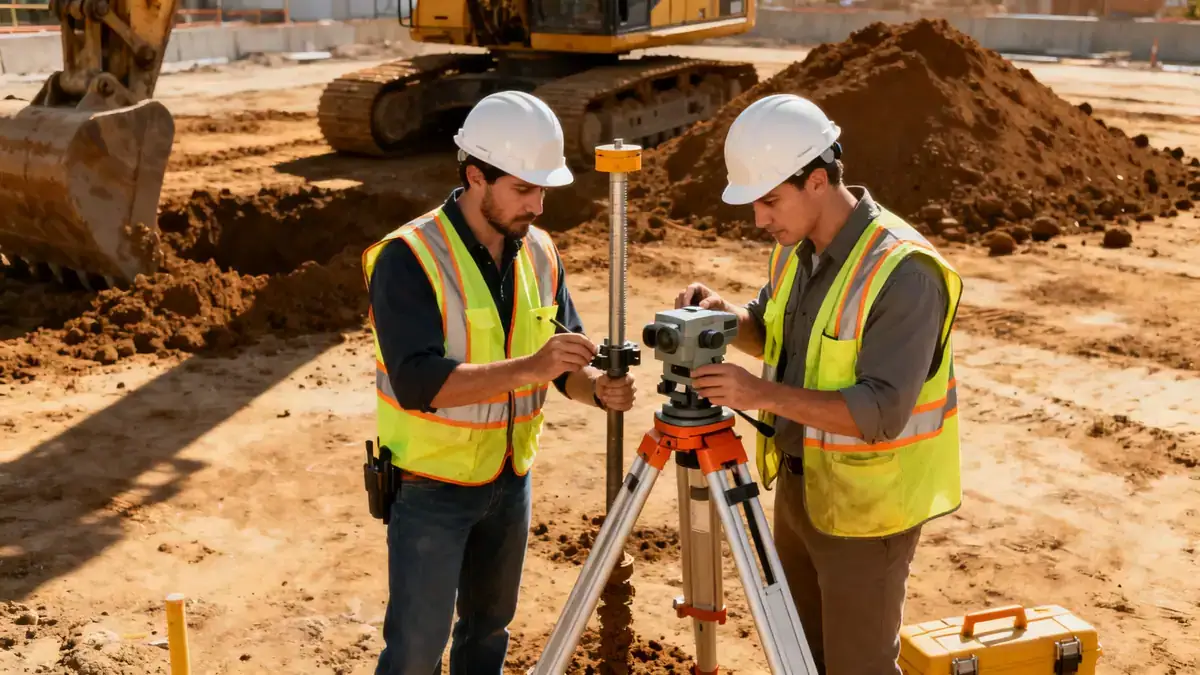
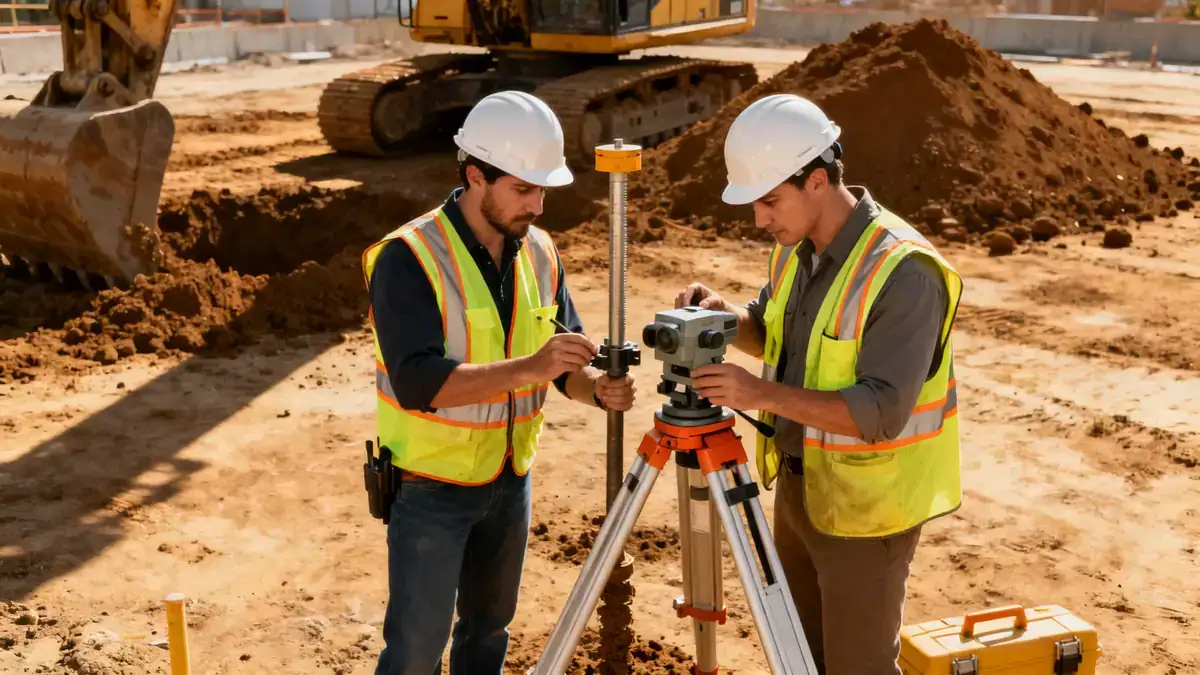
Our geotechnical engineering approach in Sunnyvale integrates site-specific exploration with advanced laboratory testing. We typically perform spt boring at intervals of 1.0 to 1.5 meters per ASTM D1586, extending to depths of 8–15 meters for residential structures and up to 30 meters for industrial facilities. Soil samples are analyzed in our soil mechanics laboratory for classification, strength, and compressibility. This data informs foundation design, slope stability assessments, and seismic hazard mitigation, ensuring compliance with local building codes.
Reference Technical Parameters
| Parameter | Reference Value |
|---|---|
| Predominant soil type | Alluvial silty clay and sand, with occasional gravel layers |
| Maximum seismic acceleration (PGA) | 0.4g per ASCE 7-16 for Site Class D |
| Typical groundwater level | 3–6 meters below ground surface, varies seasonally |
| Bedrock depth | 30–60 meters (Franciscan Complex) |
| Typical N60 range | 10–30 blows/ft for sandy layers; 5–15 for clayey layers |
Local Considerations — Sunnyvale
Sunnyvale's geology is dominated by alluvial deposits from the Santa Clara Valley, with interbedded silts, clays, and sands underlain by the Franciscan Complex. Shallow groundwater (3–6 m) requires dewatering considerations for excavations. Seismic hazard is significant due to the San Andreas and Calaveras faults, with PGA up to 0.4g. Older neighborhoods near downtown may have undocumented fills; newer developments in the northern part often encounter firmer alluvium. Typical projects include commercial buildings and tech campuses, where our slope stability analyses are critical for hillside sites. Our firm also provides retaining wall design for basements and cut slopes, tailored to local soil conditions.
Request a Quote
Our team reviews your project and issues an initial report at no cost.
Or write us directly at [email protected]
Services in Sunnyvale
Applicable Standards
- ASTM D1586 (Standard Penetration Test)
- ASCE 7-16 (Minimum Design Loads for Buildings)
- California Building Code (CBC) 2022
- Santa Clara County Seismic Hazard Maps
Frequently Asked Questions
What are the typical soil conditions in Sunnyvale?
Sunnyvale's subsurface consists of interbedded alluvial silts, clays, and sands. The Franciscan Complex bedrock lies at depths of 30–60 meters. Groundwater is typically encountered at 3–6 meters, requiring careful dewatering and foundation design.
Is a geotechnical study mandatory for construction in Sunnyvale?
Yes, the California Building Code requires a geotechnical investigation for most new structures, especially in Seismic Design Category D. Local permitting agencies often mandate soil reports for foundation design, slope stability, and seismic hazard mitigation.
How does seismic activity affect foundation design in Sunnyvale?
With a PGA of 0.4g per ASCE 7, foundations must resist liquefaction and lateral spreading. Deep foundations or ground improvement are common. Our analyses incorporate site-specific shear wave velocity and cyclic strength testing.