Methodology
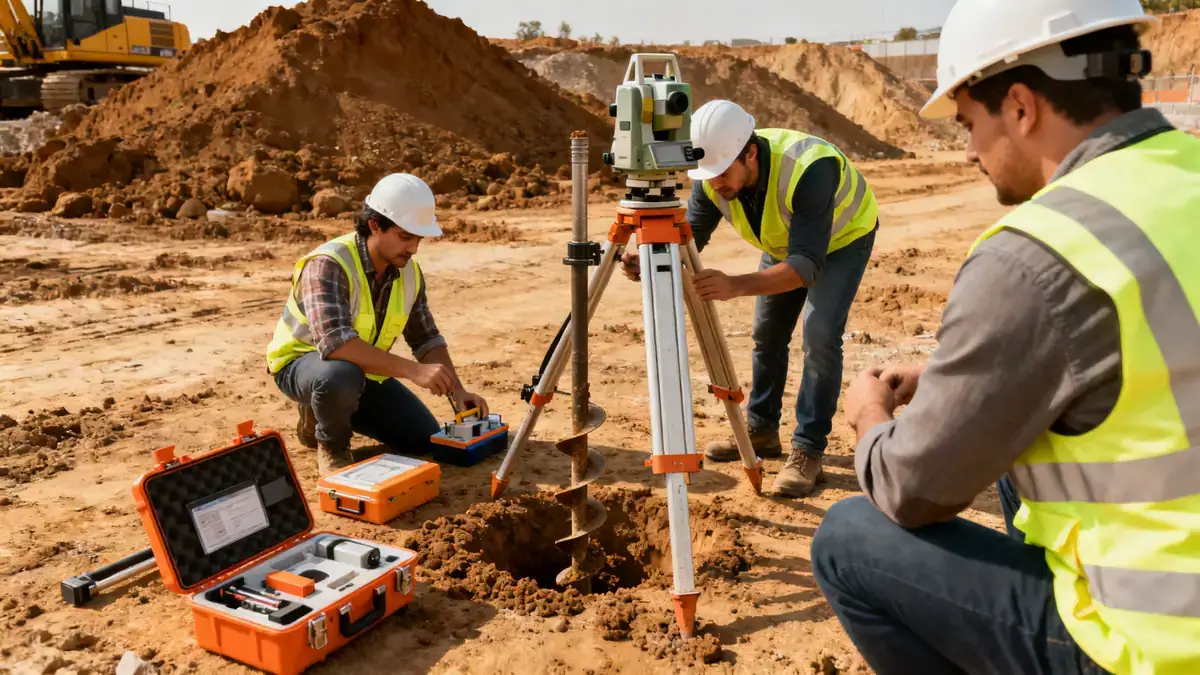
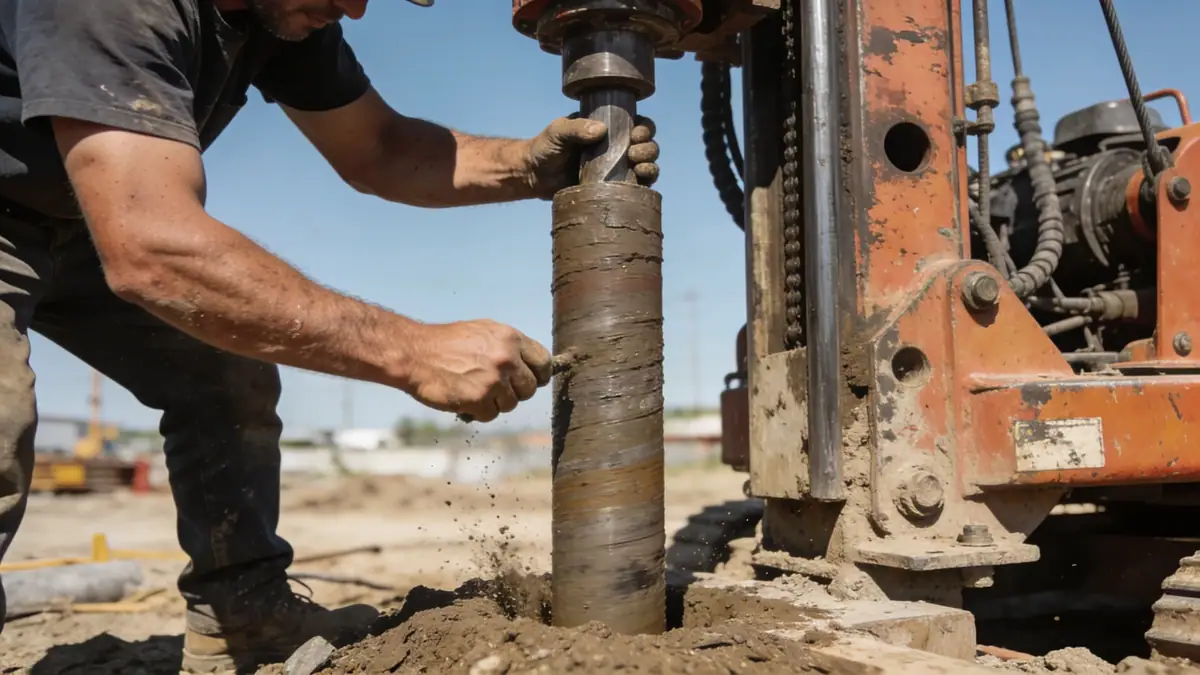
Our methodology for geotechnical engineering in Glendale California integrates site-specific subsurface exploration with advanced laboratory testing. We perform spt boring using ASTM D1586 to obtain blow counts and undisturbed samples, complemented by cone penetration testing where appropriate. Laboratory analysis includes index properties, strength, and consolidation tests per ASTM standards. Seismic site classification per ASCE 7-22 determines design spectra, accounting for local fault sources. Our team applies limit equilibrium and finite element methods for slope stability and foundation analyses, ensuring robust recommendations tailored to Glendale's geologic setting.
Reference Technical Parameters
| Parameter | Reference Value |
|---|---|
| Predominant soil type | Silty sand and gravel (SM, GM) with clay lenses |
| Maximum seismic acceleration (PGA) | 0.6g (MCE_R per ASCE 7-22) |
| Typical groundwater level | >30 m depth; local perched zones variable |
| Bedrock depth | 30–60 m to competent basement rock |
| Typical N60 range | 10–40 blows/ft in granular soils |
Local Considerations — Glendale California
Glendale's alluvial soils present challenges such as collapse upon wetting and differential settlement. Hillside areas require rigorous slope stability analysis due to steep terrain and seismic loading. The Verdugo Mountains and San Rafael Hills border the city, where bedrock outcrops necessitate rock excavation assessments. Downtown Glendale features deeper alluvium, supporting high-rise foundations with deep piles or mat foundations. Seismic design must consider near-fault directivity effects. Our firm coordinates with local building departments and references the Los Angeles County seismic code. For broader regional context, see our geotechnical engineering in Los Angeles page.
Request a Quote
Our team reviews your project and issues an initial report at no cost.
Or write us directly at [email protected]
Services in Glendale California
Applicable Standards
- ASTM D1586 (Standard Test Method for Standard Penetration Test)
- ASCE 7-22 (Minimum Design Loads and Associated Criteria for Buildings)
- California Building Code (CBC) 2022
- Los Angeles County Seismic Code
Frequently Asked Questions
What soil types are common in Glendale, California?
Glendale's subsurface typically consists of alluvial silty sands and gravels (SM, GM) with interbedded clay layers. These soils can be collapsible and subject to liquefaction in saturated conditions. Bedrock is encountered at depths of 30 to 60 meters, primarily granitic and metamorphic rocks.
What seismic design criteria apply in Glendale?
Glendale is in Seismic Design Category D or E per ASCE 7-22, with PGA up to 0.6g. Near-fault effects from the San Andreas, San Fernando, and Raymond faults must be considered. Site-specific response spectra are often required for important structures.
Are geotechnical investigations mandatory for construction in Glendale?
Yes, the California Building Code and local ordinances require geotechnical reports for most new buildings, additions, and hillside developments. Investigations must address soil bearing capacity, settlement, seismic hazards, and groundwater conditions to ensure public safety.