Methodology
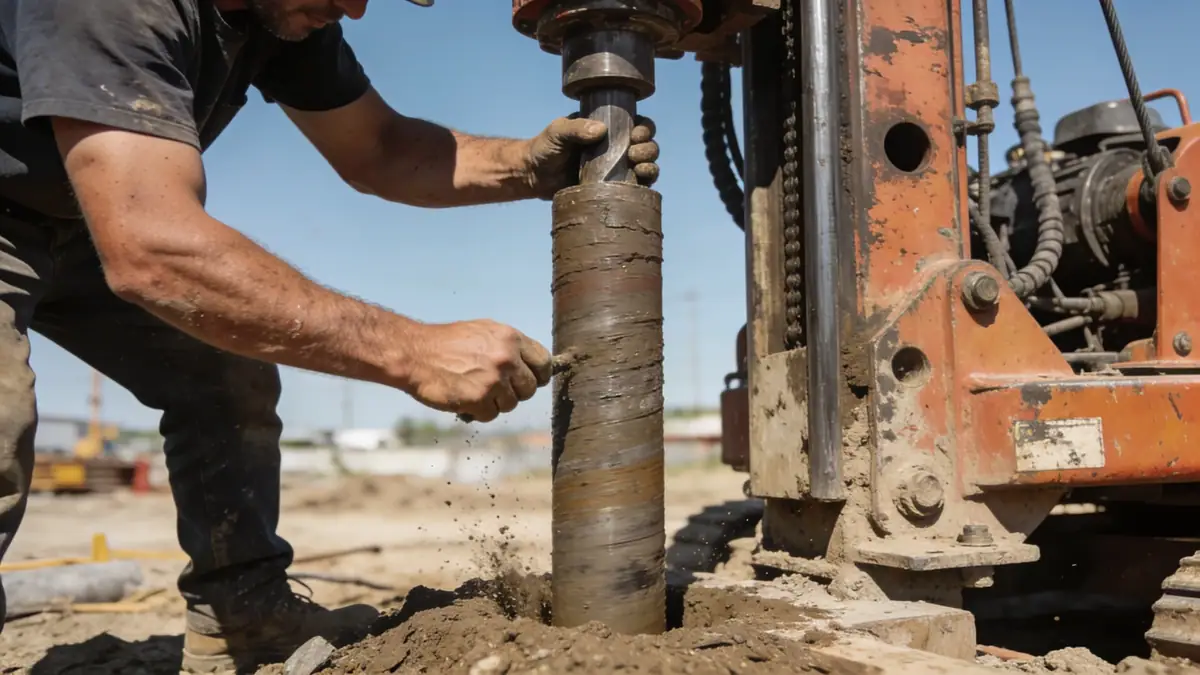
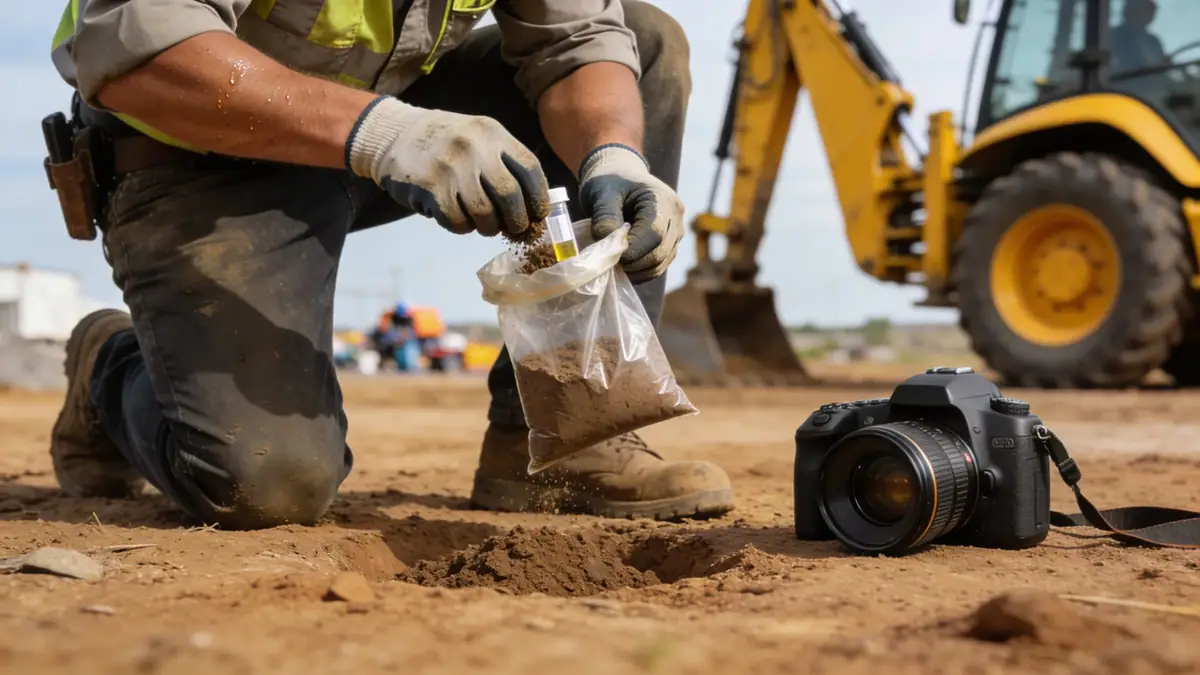
Our methodology for geotechnical engineering in Fullerton begins with a comprehensive desk study of existing geologic maps and borehole logs to identify soil units and groundwater conditions. Field investigations include standard penetration testing (SPT) per ASTM D1586 at 1.5-meter intervals to obtain N60 values, supplemented by undisturbed sampling for laboratory analysis. We perform soil classification (ASTM D2487), consolidation tests (ASTM D2435), and direct shear tests (ASTM D3080) to derive strength and deformation parameters. Seismic hazard assessments follow ASCE 7-22 to determine site class and design accelerations. This integrated approach yields robust geotechnical models for foundation design, slope stability, and earthwork recommendations.
Reference Technical Parameters
| Parameter | Reference Value |
|---|---|
| Predominant soil type | Alluvial sands, silty clays, and gravelly sands |
| Maximum seismic acceleration (PGA) | 0.4g to 0.6g (ASCE 7-22, Site Class D) |
| Typical groundwater level | 5 to 12 meters below ground surface |
| Bedrock depth | 15 to 30 meters (Puente Formation) |
| Typical N60 range (SPT) | 10 to 50 blows/0.3m |
Local Considerations — Fullerton
Fullerton’s geology is dominated by Quaternary alluvial deposits from the Santa Ana River, with older Pleistocene terraces in the north and Holocene floodplain sediments in the south. The Raymond Fault zone runs through the northern hills, requiring detailed seismic evaluations. Expansive clay layers near the Coyote Hills necessitate special foundation treatments. Groundwater levels fluctuate seasonally, impacting excavation dewatering. Local jurisdictions enforce the California Building Code with seismic upgrades. For advanced analysis, our soil mechanics laboratory supports site-specific testing. Our team in geotechnical engineering in Los Angeles provides regional oversight for complex projects.
Request a Quote
Our team reviews your project and issues an initial report at no cost.
Or write us directly at [email protected]
Services in Fullerton
Applicable Standards
- ASTM D1586
- ASCE 7-22
- California Building Code (CBC) 2022
- ASTM D2487
- ASTM D2435
Frequently Asked Questions
What types of soil are commonly found in Fullerton?
Fullerton’s soils are primarily alluvial sands, silty clays, and gravelly sands deposited by the Santa Ana River. In the northern hills, older terrace deposits and weathered bedrock from the Puente Formation are encountered, while southern areas have Holocene floodplain sediments with higher clay content.
How do seismic codes affect geotechnical engineering in Fullerton?
Fullerton lies in a seismically active region near the Raymond and Whittier faults. ASCE 7-22 and the California Building Code require site-specific seismic hazard analyses to determine spectral accelerations and site class. This influences foundation design, liquefaction assessment, and lateral earth pressures.
Is a geotechnical investigation mandatory for construction in Fullerton?
Yes, for most new buildings and significant additions, the City of Fullerton requires a geotechnical report per CBC Chapter 18. This includes subsurface exploration, laboratory testing, and engineering recommendations to ensure structural safety and compliance with local grading ordinances.