Methodology
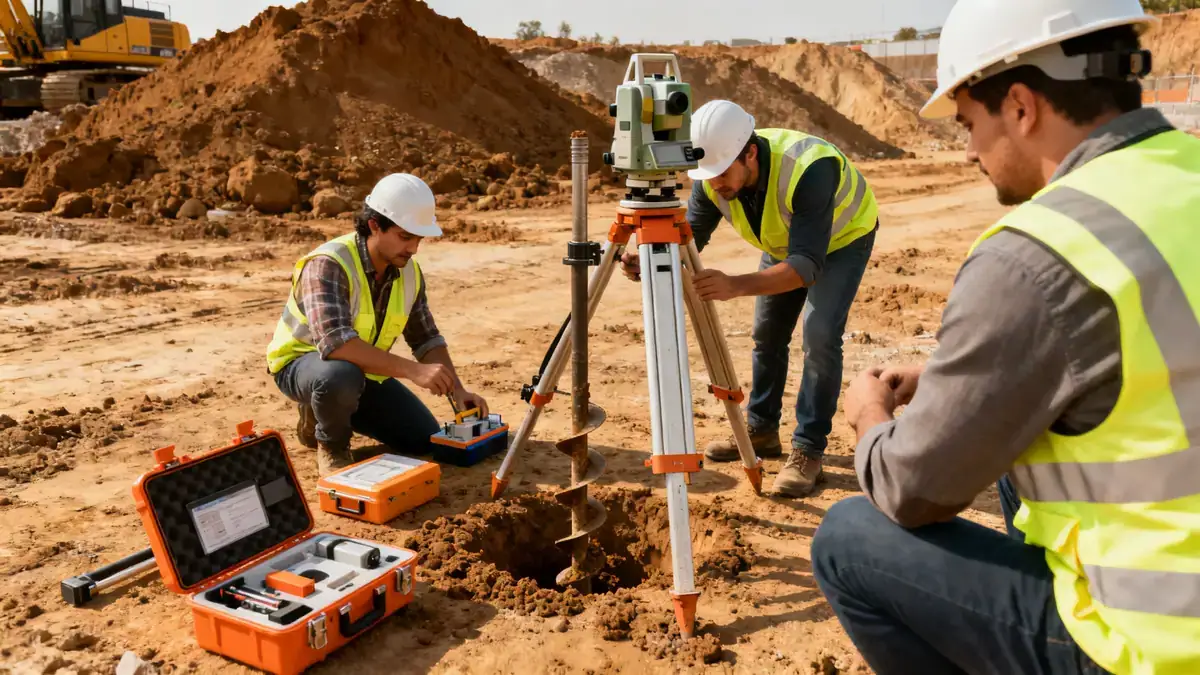
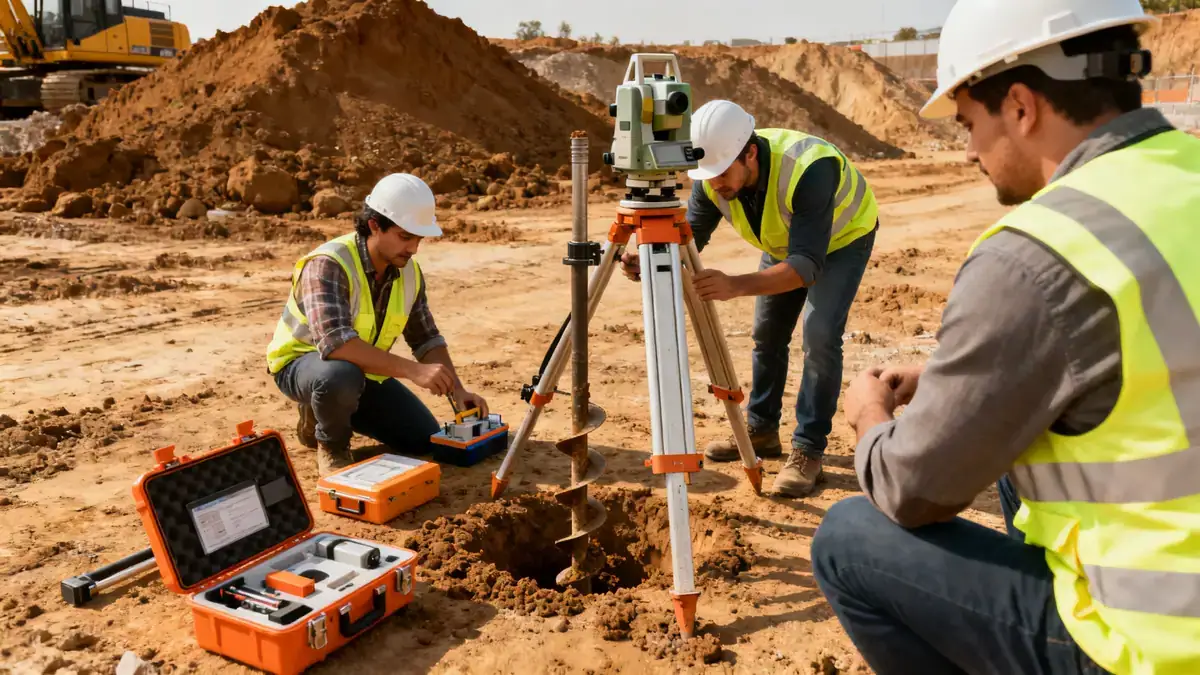
Our methodology for geotechnical engineering in Roseville California begins with a thorough review of existing geologic maps and records. We then conduct a site-specific exploration program, typically including spt boring to obtain soil samples and measure resistance. In the laboratory, we classify soils per ASTM D1586 and determine strength and consolidation properties. Our analysis applies the California Building Code and ASCE 7 for seismic design, including site-specific response spectra. We model foundation settlements and bearing capacities using parameters derived from field and lab data. The final report provides actionable recommendations for shallow or deep foundations, lateral earth pressures, and slab-on-grade design.
Reference Technical Parameters
| Parameter | Reference Value |
|---|---|
| Predominant Soil Type | Stiff clay and weathered granite |
| Maximum Seismic Acceleration (PGA) | 0.4g (per ASCE 7-16) |
| Typical Groundwater Level | 10–15 ft below grade |
| Bedrock Depth | 20–40 ft (weathered granite) |
| Typical N60 Range (SPT) | 20–50 blows/ft in clay; 50–80 in granite |
Local Considerations — Roseville California
Roseville lies in the Sierra Nevada foothills, where soils predominantly consist of stiff clays, silts, and weathered granite. Shallow groundwater can be encountered near creek channels, requiring dewatering or drainage measures. Seismic hazards include ground shaking from nearby faults; our analyses use site-specific response spectra per ASCE 7. For hillside lots, slope stability and retaining wall design are critical—our team performs detailed slope stability evaluations. Typical projects include single-family homes, multi-story buildings, and roadways. Understanding these local conditions is essential for cost-effective foundation solutions. For broader regional context, see our geotechnical engineering en Los Angeles hub.
Request a Quote
Our team reviews your project and issues an initial report at no cost.
Or write us directly at [email protected]
Services in Roseville California
Applicable Standards
- ASTM D1586 (Standard Penetration Test)
- ASCE 7-16 (Minimum Design Loads for Buildings)
- California Building Code (CBC 2022)
- ASTM D2487 (Unified Soil Classification System)
- Eurocode 7 (for reference in select projects)
Frequently Asked Questions
What types of soil are common in Roseville, California?
Roseville typically features stiff clays, silts, and weathered granite. These soils can vary significantly over short distances, so site-specific exploration is essential for accurate foundation design.
Does Roseville have specific seismic design requirements?
Yes, Roseville is in a seismically active region. The California Building Code and ASCE 7-16 require site-specific response spectra and consideration of near-fault effects. Our team incorporates these into every project.
Are geotechnical studies mandatory for construction in Roseville?
For most commercial and residential projects, a geotechnical investigation is required by local building departments. Our reports satisfy these requirements and provide recommendations for safe, economical foundations.