Methodology
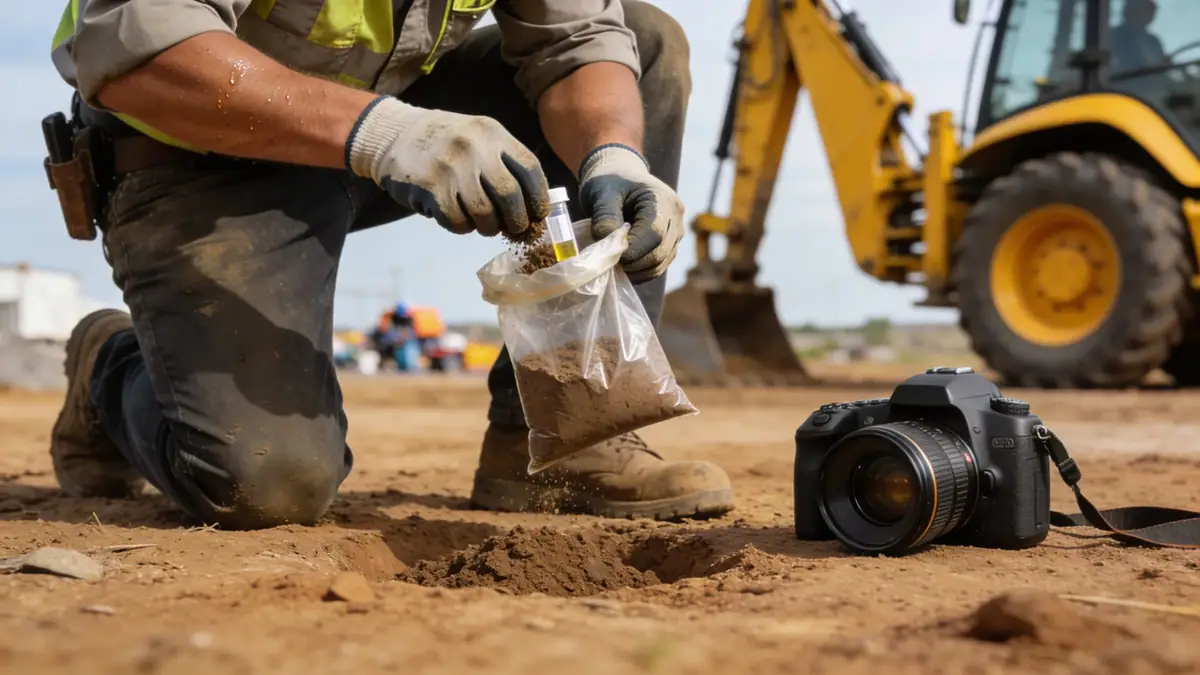
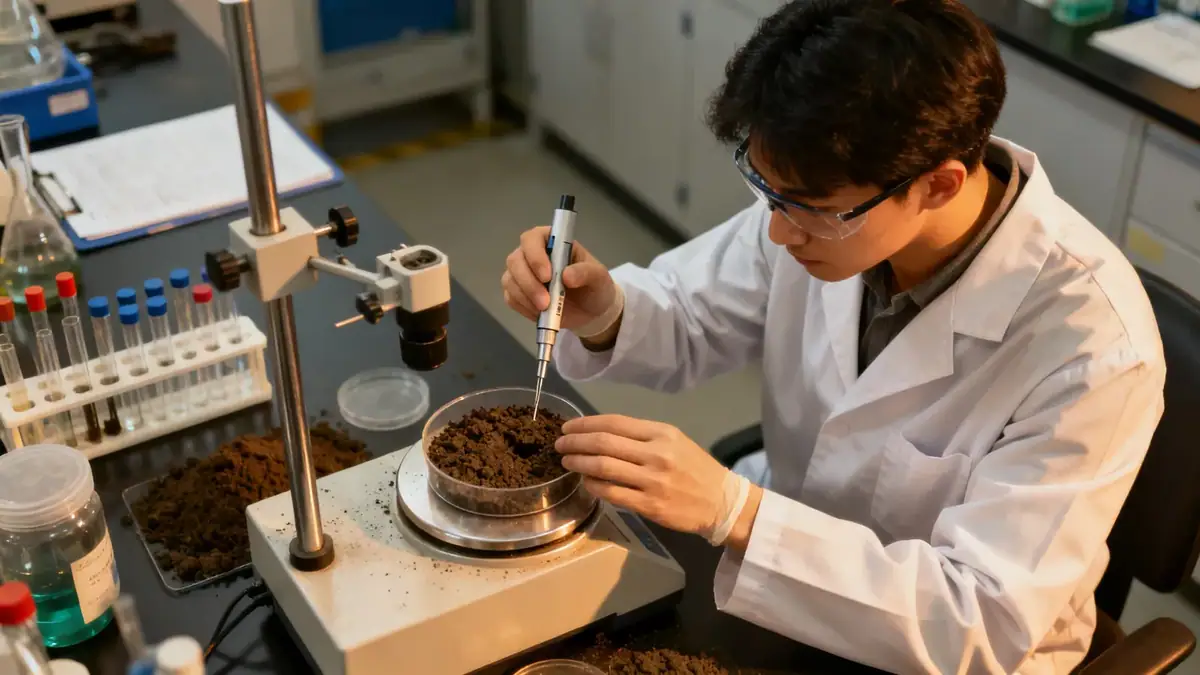
Our approach in Torrance begins with a thorough review of existing geologic maps and seismic hazard data. We then conduct a field exploration program tailored to site conditions, typically including spt boring to retrieve disturbed and undisturbed samples at regular intervals. All borings follow ASTM D1586 standards, with sampling intervals of 1.5 meters to capture stratigraphic changes. In areas with high groundwater, we utilize temporary casing and mud rotary techniques. Laboratory testing on recovered samples provides index properties, strength parameters, and consolidation characteristics. This data informs our engineering analyses, including bearing capacity, settlement, and slope stability assessments, ensuring robust foundations for every project.
Reference Technical Parameters
| Parameter | Reference Value |
|---|---|
| Predominant Soil Type | Alluvial sands and silty clays (Holocene), with colluvium on slopes |
| Maximum Seismic Acceleration (PGA) | 0.4g to 0.5g (ASCE 7-16, Site Class D) |
| Typical Groundwater Level | 3 to 6 meters below ground surface near coast; greater than 10 meters inland |
| Bedrock Depth | Variable; shallow (1-5 m) on hillsides, deeper than 30 m in coastal plain |
| Typical N60 Range (SPT) | 5 to 30 blows per foot in sands; 2 to 15 blows per foot in clays |
Local Considerations — Torrance
Torrance's geology is shaped by its position on the Los Angeles Basin's southwestern edge. Coastal areas are underlain by young alluvial deposits with high groundwater levels, requiring dewatering considerations for excavations. Hillside zones near the Palos Verdes Peninsula feature older colluvial and residual soils over bedrock, demanding careful slope stability analyses. Seismic hazards are significant due to proximity to the Newport-Inglewood and Palos Verdes faults; our designs incorporate site-specific response spectra per ASCE 7. For reference, our team also supports projects through our geotechnical engineering en Los Angeles hub, leveraging regional expertise.
Request a Quote
Our team reviews your project and issues an initial report at no cost.
Or write us directly at [email protected]
Services in Torrance
Applicable Standards
- ASTM D1586 (Standard Penetration Test)
- ASCE 7-16 (Minimum Design Loads for Buildings and Other Structures)
- California Building Code (CBC) 2022
- City of Torrance Municipal Code (Chapter 15 – Building Regulations)
Frequently Asked Questions
What soil types are commonly found in Torrance?
Torrance typically has alluvial sands and silty clays in the lowlands, with colluvial soils and shallow bedrock on hillsides. The coastal plain contains sand and gravel lenses, while inland areas may have expansive clays. A geotechnical investigation is essential to characterize site-specific conditions.
How do seismic hazards affect geotechnical design in Torrance?
Torrance is in a high seismic zone with PGA values up to 0.5g. Near-fault effects from the Newport-Inglewood and Palos Verdes faults require site-specific response spectra. Soil liquefaction potential in saturated sands and slope stability on hillsides are critical considerations per ASCE 7 and CBC.
Is a geotechnical study mandatory for construction in Torrance?
Yes, the City of Torrance requires a geotechnical report for most new buildings and additions, per CBC Chapter 18. The report must address soil bearing capacity, settlement, seismic design parameters, and, where applicable, slope stability and liquefaction. Our firm prepares compliant reports accepted by local plan checkers.