
Methodology
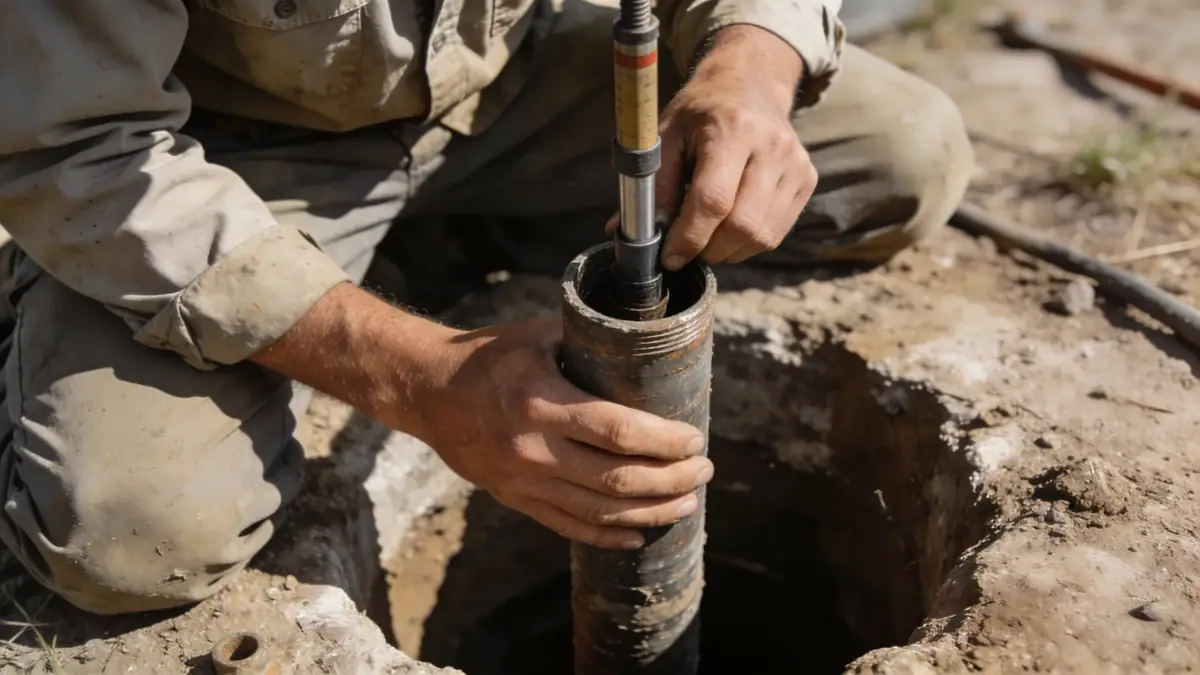
Our methodology for geotechnical engineering in San Francisco begins with a comprehensive review of existing geologic maps and seismic hazard data. For subsurface exploration, we employ spt boring in accordance with ASTM D1586 to obtain disturbed samples and measure N-values, which are critical for assessing liquefaction potential in sandy layers. We also utilize cone penetration testing (CPT) for continuous soil profiling in soft clays. Laboratory testing on undisturbed samples includes moisture content, Atterberg limits, and direct shear tests to evaluate shear strength parameters. All data are integrated into a 3D ground model that informs foundation design, slope stability analysis, and seismic site response. Our reports provide clear recommendations for shallow or deep foundations, retaining walls, and ground improvement, ensuring cost-effective and safe solutions.
Reference Technical Parameters
| Parameter | Reference Value |
|---|---|
| Predominant soil type | Bay Mud (soft clay) and Franciscan Complex (sandstone/shale) |
| Maximum seismic acceleration (PGA) | 0.6 g (ASCE 7-16, Site Class D) |
| Typical groundwater level | 2–5 m below grade in low-lying areas; >10 m in hills |
| Bedrock depth | 0–30 m (shallow in hills, deep in filled areas) |
| Typical N60 range (SPT) | 0–10 in Bay Mud; 20–50+ in colluvium/bedrock |
Local Considerations — San Francisco
San Francisco's geology presents unique challenges. The city is built on a mosaic of soft Bay Mud, artificial fill, and the Franciscan Complex—a mélange of sandstone, shale, and serpentinite. Seismic hazards dominate: the San Andreas and Hayward faults produce expected ground motions of 0.6g PGA. Liquefaction of sandy fills and Bay Mud is a critical concern in the Marina and Financial District. Additionally, variable bedrock depth (from outcrops to 30 m deep) requires careful foundation selection. Our firm integrates these factors into every project, from site-specific seismic response analyses to groundwater control. For clients with projects elsewhere, we also provide geotechnical engineering en Los Angeles with comparable expertise.
Request a Quote
Our team reviews your project and issues an initial report at no cost.
Or write us directly at [email protected]
Services in San Francisco
Applicable Standards
- ASTM D1586 (Standard Test Method for SPT)
- ASCE 7-16 (Minimum Design Loads for Buildings, Chapter 11-12 Seismic)
- California Building Code (CBC) 2022, Chapter 18 (Soils and Foundations)
- San Francisco Public Works Code, Article 7 (Geotechnical Reports)
- ASTM D2487 (Unified Soil Classification System)
Frequently Asked Questions
What are the typical soil conditions in San Francisco?
Soils vary widely: soft Bay Mud and loose fill dominate the eastern waterfront and former marshlands, while the hills feature colluvium over Franciscan bedrock. Dense sands and stiff clays are also present. These conditions affect foundation type and seismic design.
How does seismic design differ in San Francisco?
San Francisco is in Seismic Design Category D or E per ASCE 7, requiring site-specific response spectra and liquefaction analysis. The high PGA (0.6g) demands ductile framing and deep foundations in soft soils. Our reports comply with CBC and local ordinances.
Are geotechnical studies mandatory for construction in San Francisco?
Yes, for most new buildings and major renovations. The San Francisco Building Code requires a geotechnical investigation report for structures in Seismic Design Category D or E, and for sites with known soil hazards like liquefaction or landslides.