Methodology
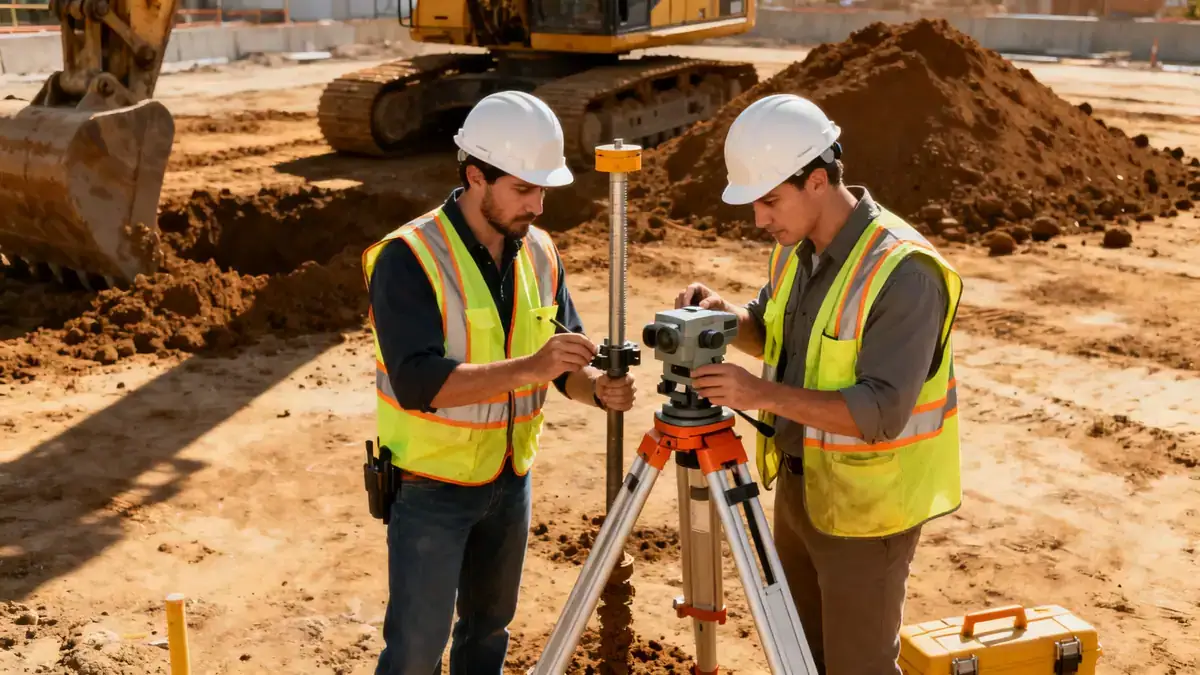
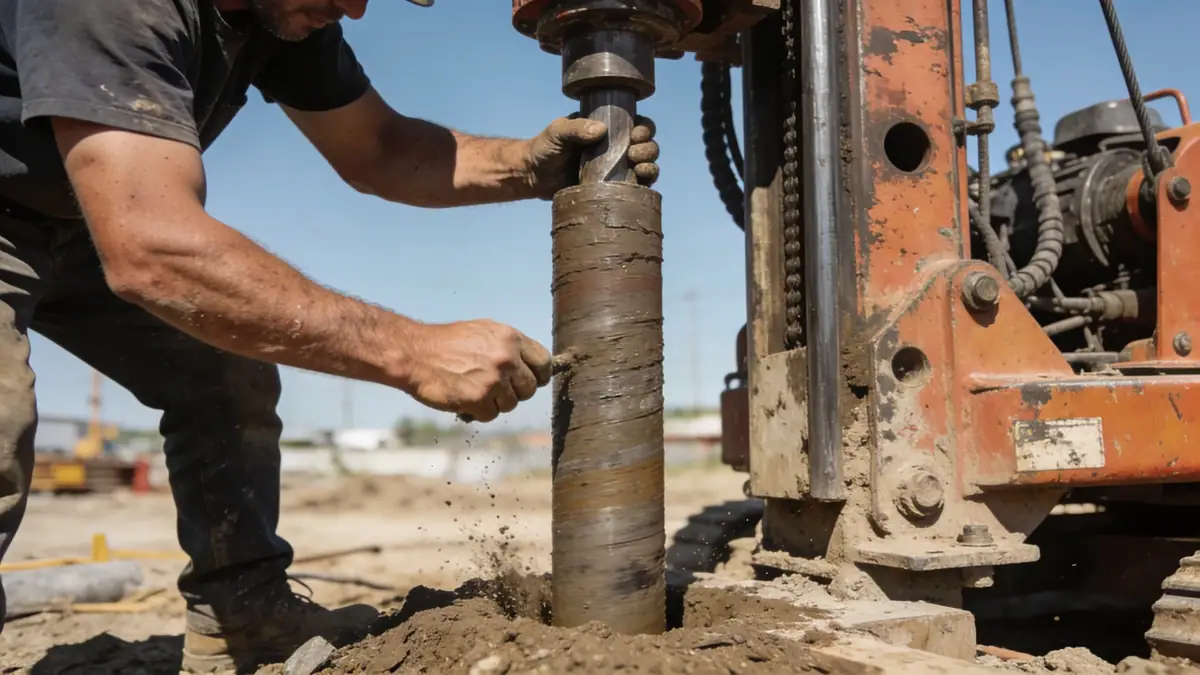
Our methodology for geotechnical engineering in Las Vegas begins with a thorough review of existing geologic maps and subsurface data. We then conduct field investigations, including spt boring at depths of 8 to 30 meters to characterize soil strata and measure N60 blow counts. Laboratory testing on recovered samples determines index properties, strength, and consolidation characteristics. Using these data, we develop site-specific soil profiles and assess bearing capacity, settlement, and seismic site classification per ASCE 7. The final geotechnical report provides foundation recommendations and construction considerations tailored to Las Vegas conditions.
Reference Technical Parameters
| Parameter | Reference Value |
|---|---|
| Predominant soil type | Alluvial sands, silts, and clays with variable gravel content |
| Maximum seismic acceleration (PGA) | 0.2g – 0.4g (site class D typical per ASCE 7) |
| Typical groundwater level | 15 – 50 feet below ground surface; locally shallow near washes |
| Bedrock depth | 200 – 500+ feet (basin-fill sediments over bedrock) |
| Typical N60 range (SPT) | 10 – 40 blows/ft (fine-grained soils); 30 – 60 blows/ft (coarse-grained) |
Local Considerations — Las Vegas
Las Vegas’s geotechnical conditions are dominated by alluvial fan and playa deposits. The Eglington Fault, capable of magnitude 6.5–7.0 earthquakes, imposes seismic design requirements. Expansive clays are common in the southern valley, requiring special foundation treatments. Near the Las Vegas Wash, shallow groundwater may necessitate dewatering or waterproofing. In contrast, the western foothills feature dense alluvial gravels with high bearing capacity. For complex slopes, our slope stability analyses address both static and seismic conditions. Our team is also experienced in retaining wall design for cut-and-fill projects typical of this topography.
Request a Quote
Our team reviews your project and issues an initial report at no cost.
Or write us directly at [email protected]
Services in Las Vegas
Applicable Standards
- ASTM D1586 (Standard Test Method for Standard Penetration Test (SPT))
- ASCE 7 (Minimum Design Loads for Buildings and Other Structures)
- IBC (International Building Code) – Nevada Amendments
- Nevada Administrative Code (NAC) 623 – Professional Engineering
Frequently Asked Questions
What soil types are commonly found in Las Vegas?
Las Vegas soils are primarily alluvial fan deposits consisting of sands, silts, and clays with variable gravel. Playa clays and evaporite deposits occur in low-lying areas. Expansive soils are present in some locations, requiring laboratory testing to determine swell potential.
Is a geotechnical study required for construction in Las Vegas?
Yes. The Nevada Administrative Code and local building departments require a geotechnical investigation for most structures, particularly in seismic zones. The study must address site classification, bearing capacity, and settlement, following ASCE 7 and IBC standards.
How does seismic activity affect foundation design in Las Vegas?
Las Vegas lies in a moderate seismic zone with the Eglington Fault as a known source. Peak ground accelerations of 0.2g to 0.4g are typical. Soils are often Site Class D, requiring site-specific response spectra. Deep foundations or ground improvement may be needed to mitigate liquefaction and cyclic softening risks.