
Methodology
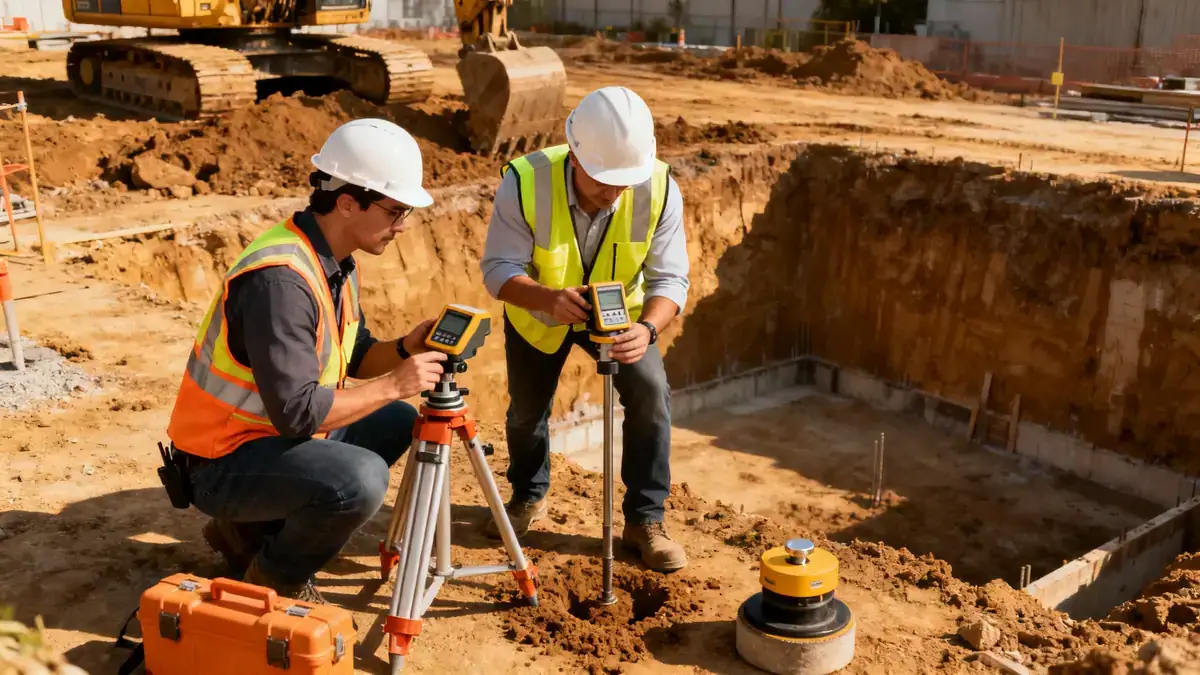
Our methodology for geotechnical engineering in San Bernardino begins with a thorough review of existing geological maps and seismic hazard data. We then conduct field investigations, including spt boring to characterize subsurface conditions at depth. Laboratory testing on recovered samples provides index properties, strength parameters, and consolidation behavior. All data is synthesized into a geotechnical model that informs foundation design, slope stability assessments, and earthwork recommendations. This systematic approach ensures that our analyses are grounded in site-specific evidence and applicable code requirements.
Reference Technical Parameters
| Parameter | Reference Value |
|---|---|
| Predominant soil type | Alluvial sands, silts, and gravels with occasional clay layers |
| Maximum seismic acceleration (PGA) | 0.4g to 0.6g (per ASCE 7-16 seismic maps) |
| Typical groundwater level | 3 to 15 meters below ground surface, varies seasonally |
| Bedrock depth | 30 to 100+ meters (deep alluvial basin) |
| Typical N60 range | 10 to 50 blows per 0.3 m (sands/gravels) |
Local Considerations — San Bernardino
San Bernardino lies within the geologically active San Andreas Fault zone, necessitating rigorous seismic evaluations. The city's alluvial fan deposits exhibit lateral variability, with coarse materials near the foothills and finer sediments toward the valley floor. Groundwater fluctuations, influenced by seasonal recharge and pumping, can impact excavation stability and foundation performance. Older neighborhoods may have undocumented fill, while new developments require compliance with California's seismic design codes. Our team leverages this local context to deliver tailored geotechnical engineering in San Bernardino. For broader regional support, we also offer geotechnical engineering en Los Angeles.
Request a Quote
Our team reviews your project and issues an initial report at no cost.
Or write us directly at [email protected]
Services in San Bernardino
Applicable Standards
- ASTM D1586 (Standard Penetration Test)
- ASCE 7-16 (Minimum Design Loads and Associated Criteria for Buildings and Other Structures)
- California Building Code (CBC) 2022
- ASTM D2487 (Unified Soil Classification System)
Frequently Asked Questions
What soil types are common in San Bernardino?
San Bernardino's subsurface primarily consists of alluvial sands, silts, and gravels deposited by the Santa Ana River and its tributaries. Clay layers may be present in localized depressions. The soil profile can vary significantly over short distances due to the alluvial fan environment.
How does seismic activity affect geotechnical engineering in San Bernardino?
The region's proximity to the San Andreas Fault results in high seismic hazard, with peak ground accelerations up to 0.6g. Geotechnical investigations must evaluate liquefaction potential, fault rupture, and site amplification effects. Compliance with ASCE 7 and CBC seismic provisions is mandatory.
Are geotechnical studies required for all construction projects in San Bernardino?
Yes, the California Building Code mandates geotechnical investigations for most new construction and significant renovations. Local jurisdictions may have additional requirements, especially for hillside developments or projects near fault zones. Early engagement with a geotechnical engineer ensures code compliance and reduces design risks.