Methodology
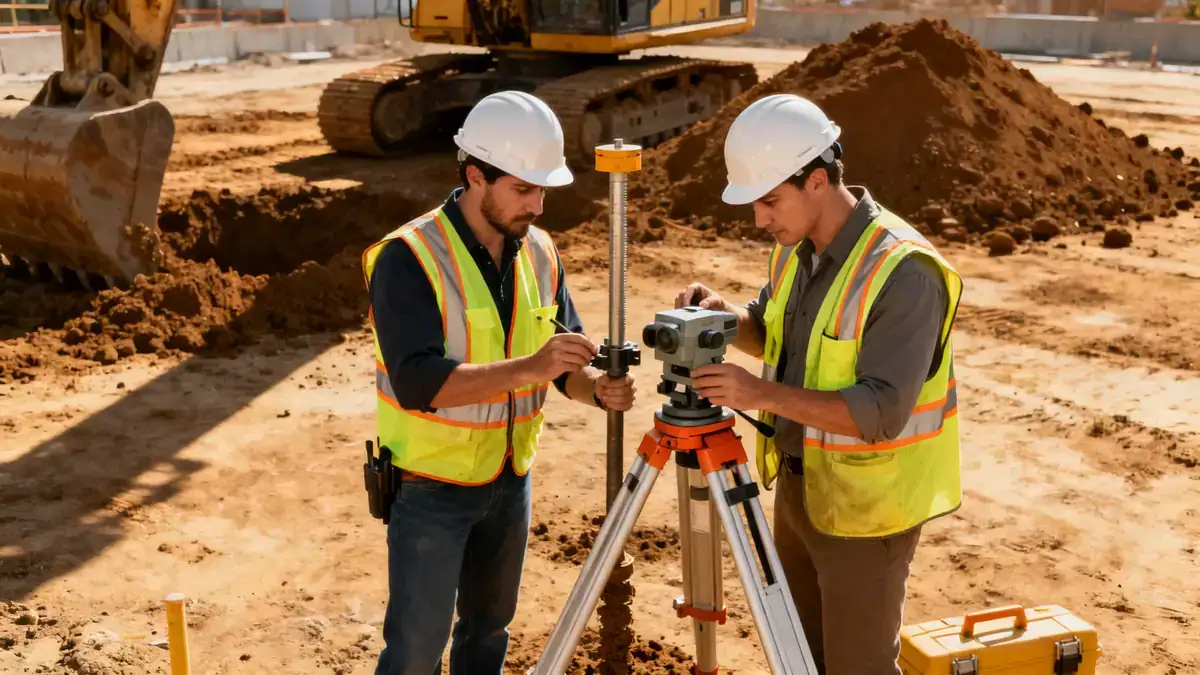
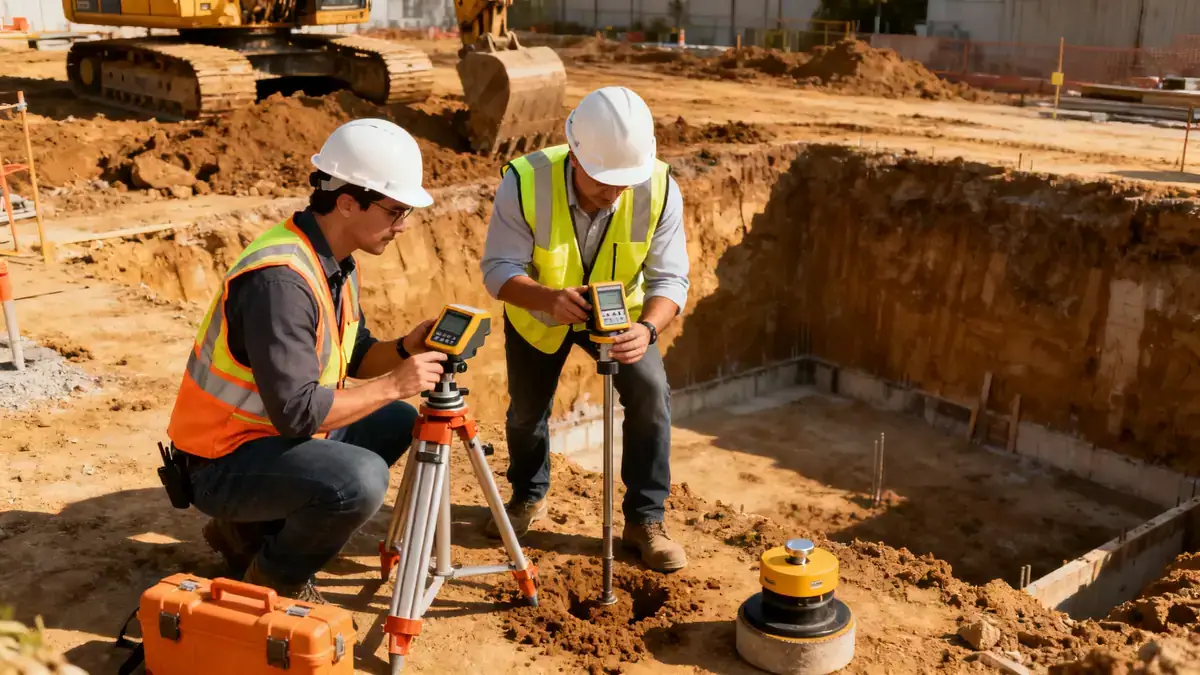
Our methodology for geotechnical engineering in Honolulu begins with a thorough review of existing geological maps and seismic hazard data. We then conduct field investigations including spt boring to characterize subsurface stratigraphy and obtain soil samples for laboratory analysis. In situ tests such as cone penetration testing and geophysical surveys supplement our understanding. Laboratory testing follows ASTM standards to determine engineering properties, including strength, compressibility, and permeability. Seismic site classification per ASCE 7 is performed to assess liquefaction and ground motion amplification. Our integrated approach ensures site-specific recommendations tailored to Honolulu's volcanic geology and high seismic activity.
Reference Technical Parameters
| Parameter | Reference Value |
|---|---|
| Predominant soil type | Volcanic ash, residual clay, and coral sand |
| Maximum seismic acceleration (PGA) | 0.4g to 0.6g (ASCE 7 seismic design category D) |
| Typical groundwater level | 1.5 to 6 meters below ground surface |
| Bedrock depth | 10 to 30 meters (basalt flows) |
| Typical N60 range | 10 to 30 blows per 0.3 m (weathered volcanic soils) |
Local Considerations — Honolulu
Honolulu's geology is dominated by volcanic soils derived from basalt weathering, often exhibiting high variability over short distances. The presence of perched water tables and coastal aquifers requires careful groundwater management. Seismic hazards are significant, with peak ground accelerations up to 0.6g, necessitating site-specific response analyses per ASCE 7. Neighborhoods such as Waikiki and downtown Honolulu overlie thick deposits of compressible coral sands and artificial fill, while newer developments in Kapolei encounter stiff residual clays. Typical projects include high-rise towers requiring deep foundations, and hillside developments where slope stability is critical. Our firm's experience in Honolulu ensures compliance with local building codes and practical solutions for challenging ground conditions. For reference, our main hub for geotechnical engineering en Los Angeles provides similar expertise in a different seismic setting.
Request a Quote
Our team reviews your project and issues an initial report at no cost.
Or write us directly at [email protected]
Services in Honolulu
Applicable Standards
- ASCE 7 (Minimum Design Loads and Associated Criteria for Buildings and Other Structures)
- ASTM D1586 (Standard Test Method for Standard Penetration Test)
- International Building Code (IBC) with Hawaii amendments
- Hawaii Administrative Rules (Title 8, Chapter 13)
Frequently Asked Questions
What types of soil are commonly found in Honolulu?
Honolulu's soils primarily consist of volcanic residual clays, weathered basalts, and coral sands. Coastal areas may have compressible organic deposits and artificial fill. The variability requires careful subsurface investigation.
Is a geotechnical study mandatory for construction in Honolulu?
Yes, the Hawaii Building Code mandates a geotechnical investigation for most structures, especially in high seismic zones. The study must address soil bearing capacity, settlement, liquefaction potential, and lateral earth pressures.
How does seismic activity affect foundation design in Honolulu?
Honolulu lies in a region with high seismicity (PGA up to 0.6g). Foundations must be designed for lateral loads and potential liquefaction. Site-specific response spectra are required per ASCE 7, often leading to deep foundations or ground improvement.