Methodology

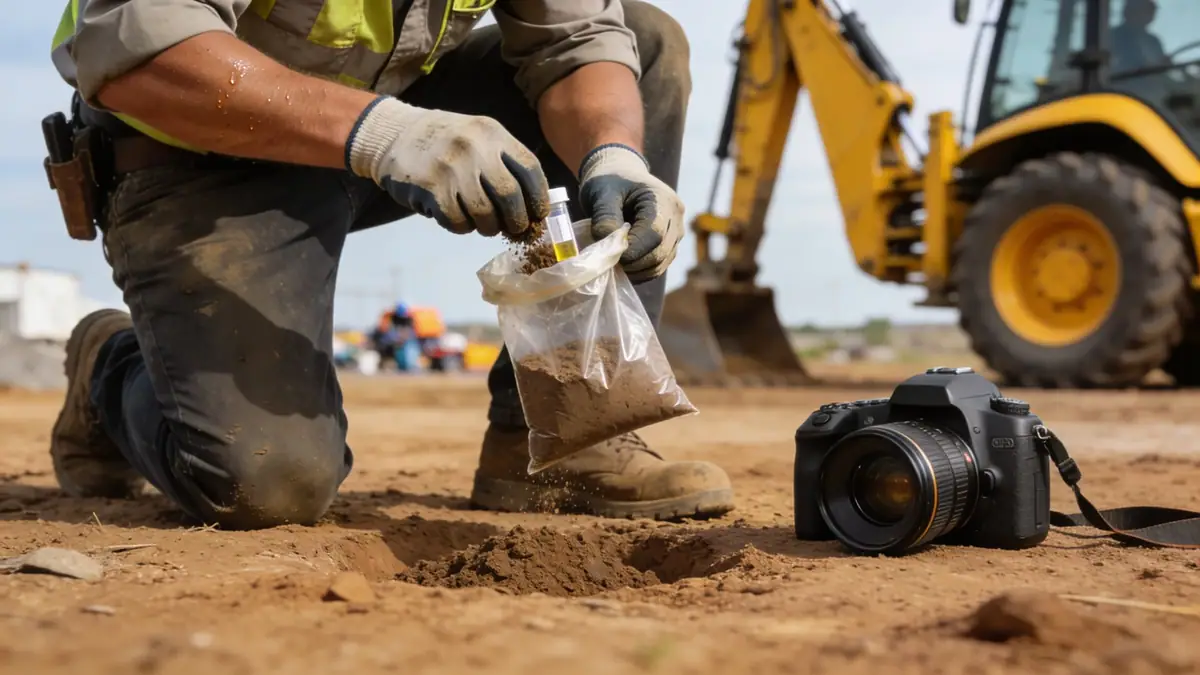
Our methodology for geotechnical engineering in Moreno Valley integrates advanced field investigation techniques with robust laboratory analysis, tailored to the area's specific geologic framework. We prioritize spt boring to characterize subsurface stratigraphy, typically advancing borings to depths of 20 to 30 meters to capture the variable alluvial sequences. Standard Penetration Tests are performed at 1.5-meter intervals per ASTM D1586, providing N60 values that inform bearing capacity and liquefaction potential. Our approach also includes seismic site classification per ASCE 7, utilizing shear wave velocity measurements when necessary. This systematic process allows us to deliver reliable foundation recommendations and slope stability assessments for projects across Moreno Valley.
Reference Technical Parameters
| Parameter | Reference Value |
|---|---|
| Predominant soil type | Alluvial sands, silts, and gravels with clay lenses |
| Maximum seismic acceleration (PGA) | 0.60g to 0.80g (ASCE 7 risk-targeted MCE_R) |
| Typical groundwater level | 5 to 15 meters below ground surface (seasonally variable) |
| Bedrock depth | 30 to 60 meters (weathered granitic or metamorphic rock) |
| Typical N60 range | 10 to 40 blows per 0.3 m (loose to dense sands) |
Local Considerations — Moreno Valley
Moreno Valley's geology is dominated by Pleistocene to Holocene alluvial fan deposits derived from the nearby San Bernardino Mountains, resulting in heterogeneous soil conditions with abrupt lateral and vertical changes. The region's seismic setting, influenced by the San Jacinto and Elsinore fault systems, demands rigorous liquefaction and fault rupture hazard assessments for critical structures. Groundwater levels fluctuate significantly with seasonal precipitation (average 280 mm annually), impacting excavation stability and foundation design. Areas near the March Air Reserve Base may encounter undocumented fill, requiring careful evaluation. Our team integrates these local factors into every geotechnical study in Moreno Valley, referencing soil mechanics laboratory testing to refine soil parameters.
Request a Quote
Our team reviews your project and issues an initial report at no cost.
Or write us directly at [email protected]
Services in Moreno Valley
Applicable Standards
- ASTM D1586 (Standard Penetration Test)
- ASCE 7 (Minimum Design Loads and Associated Criteria for Buildings and Other Structures)
- California Building Code (CBC) 2022
- Caltrans Geotechnical Manual
Frequently Asked Questions
What types of soil are commonly found in Moreno Valley?
Soils in Moreno Valley are primarily alluvial sands, silts, and gravels with interbedded clay layers. These deposits originate from the San Bernardino Mountains and vary widely in density and moisture content. Understanding this variability is key to safe foundation design.
Is a geotechnical study required for new construction in Moreno Valley?
Yes, the California Building Code mandates a geotechnical investigation for most new structures, especially in Seismic Design Categories D or E common in Moreno Valley. A site-specific study evaluates soil bearing capacity, liquefaction potential, and slope stability to mitigate seismic risks.
What seismic hazards affect geotechnical design in Moreno Valley?
Moreno Valley lies near active faults, including the San Jacinto Fault, producing high peak ground accelerations (0.60g–0.80g). Primary hazards include liquefaction in saturated loose sands, lateral spreading, and fault surface rupture. Our analyses follow ASCE 7 standards to address these risks.