Methodology
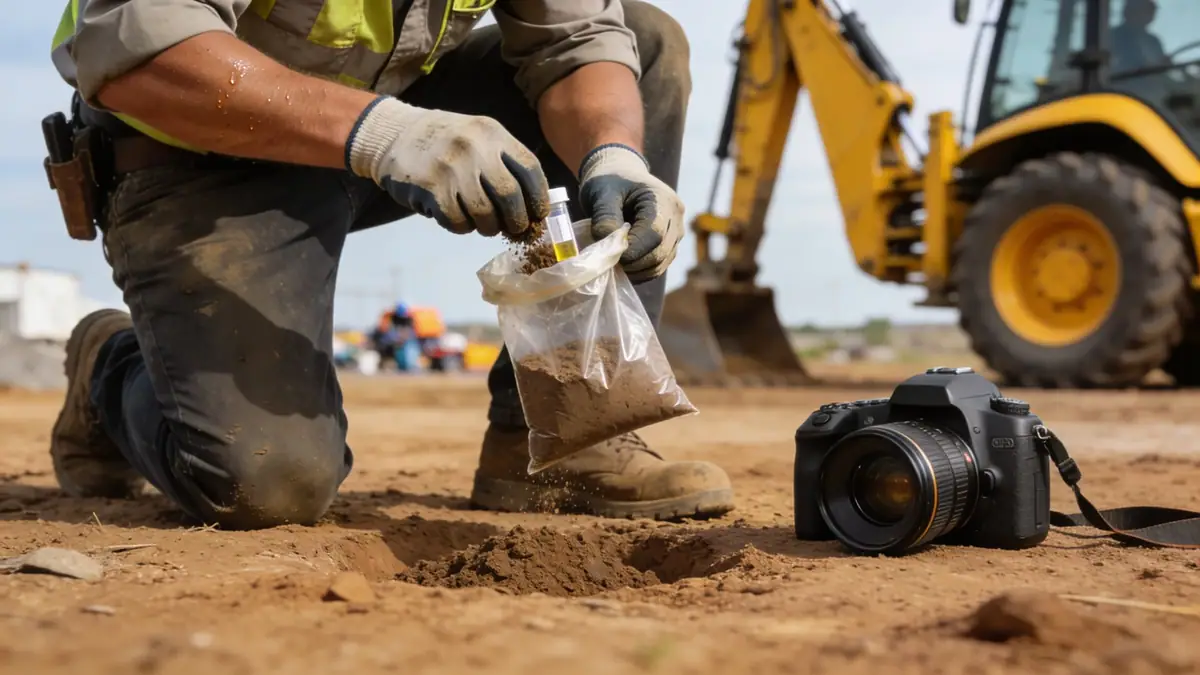
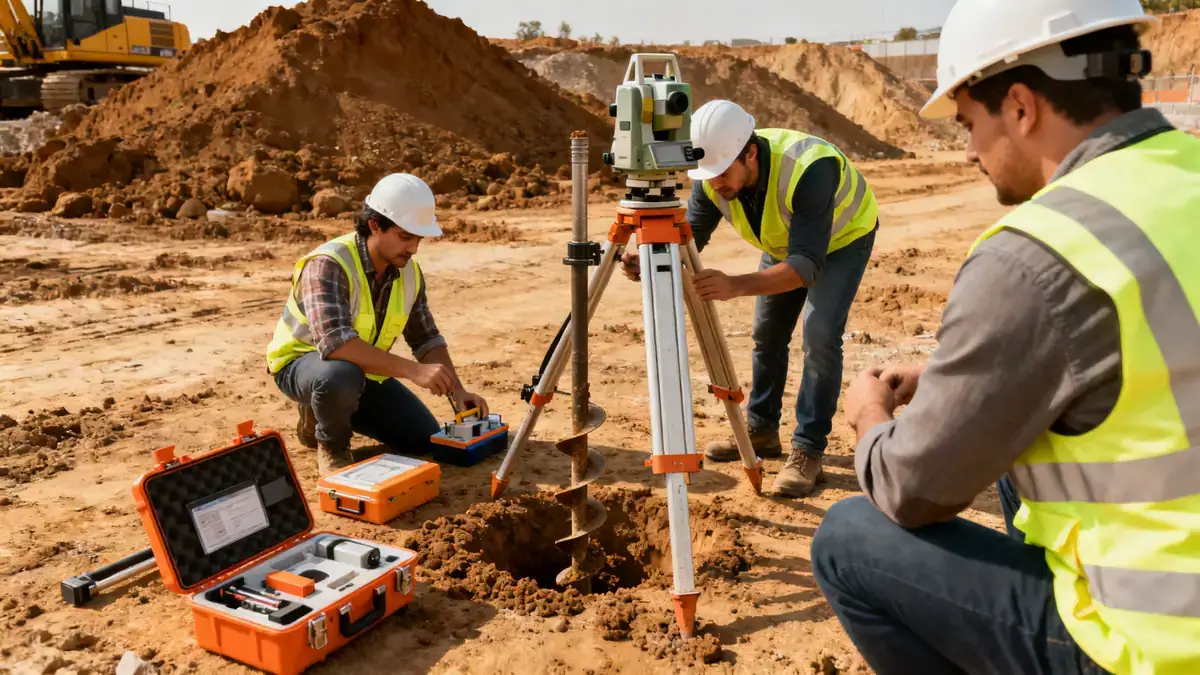
Our approach to geotechnical engineering in Stockton begins with a thorough site investigation, including spt boring to characterize subsurface conditions. We analyze soil samples in our laboratory to determine key parameters such as strength, compressibility, and permeability. This data informs foundation design, slope stability assessments, and recommendations for earthwork construction. Our methodology adheres to industry standards and leverages local knowledge to address the specific challenges posed by Stockton's alluvial soils and high water table. By integrating field and laboratory data, we provide reliable solutions for safe and cost-effective development.
Reference Technical Parameters
| Parameter | Reference Value |
|---|---|
| Predominant soil type | Silty clay and clayey silt, with sand and gravel lenses (alluvial deposits) |
| Maximum seismic acceleration (PGA) | 0.3g to 0.4g (per ASCE 7-16 seismic hazard maps) |
| Typical groundwater level | 3 to 10 feet below ground surface |
| Bedrock depth | Greater than 100 feet (deep alluvial basin) |
| Typical N60 range (SPT) | 5 to 25 blows per foot (soft to medium stiff clays) |
Local Considerations — Stockton
Stockton's geology is dominated by alluvial deposits from the San Joaquin River, resulting in heterogeneous soil profiles with variable clay, silt, and sand layers. The high water table, often within 3-10 feet of the surface, necessitates dewatering considerations for excavations and can impact foundation design. Seismic hazards are significant due to proximity to active faults; peak ground accelerations can reach 0.4g. Older neighborhoods may have undocumented fills or organic soils, while newer developments often require ground improvement. Our team provides specialized soil mechanics laboratory testing to evaluate liquefaction potential and settlement risks. For projects requiring analysis of natural or cut slopes, we offer slope stability assessments tailored to local conditions. As a complement, our geotechnical engineering en Los Angeles hub supports regional projects with broader expertise.
Request a Quote
Our team reviews your project and issues an initial report at no cost.
Or write us directly at [email protected]
Services in Stockton
Applicable Standards
- ASTM D1586 (Standard Test Method for Standard Penetration Test (SPT) and Split-Barrel Sampling of Soils)
- ASCE 7-16 (Minimum Design Loads and Associated Criteria for Buildings and Other Structures)
- California Building Code (CBC) 2022, Chapter 18 (Soils and Foundations)
- ASTM D2487 (Standard Practice for Classification of Soils for Engineering Purposes (Unified Soil Classification System))
- ASTM D422 (Standard Test Method for Particle-Size Analysis of Soils)
Frequently Asked Questions
What are the typical soil conditions in Stockton that affect geotechnical engineering?
Stockton's soils are primarily alluvial deposits of silty clay and clayey silt, with interbedded sand and gravel layers. These soils can be compressible and prone to settlement under load. The high water table also poses challenges for excavation and foundation design, requiring careful evaluation of groundwater conditions.
How do seismic regulations impact geotechnical engineering in Stockton?
Stockton lies in a seismically active region, and the California Building Code requires site-specific seismic hazard analyses. Geotechnical engineers must evaluate liquefaction potential, lateral spreading, and soil amplification. Peak ground accelerations can exceed 0.4g, influencing foundation design and the need for ground improvement.
Is a geotechnical investigation mandatory for construction projects in Stockton?
Yes, most building permits in Stockton require a geotechnical investigation, especially for new structures, additions, or significant alterations. The investigation must characterize soil conditions, provide recommendations for foundation design, and address seismic hazards. Local authorities often require a report sealed by a licensed geotechnical engineer.