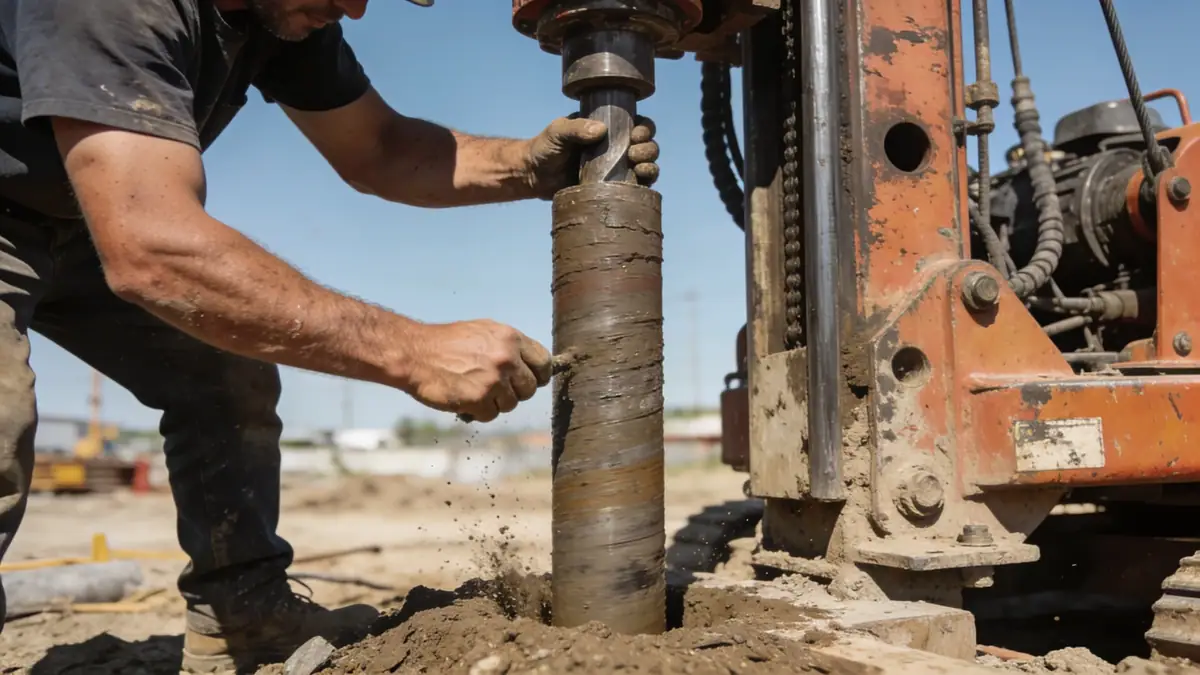
Methodology
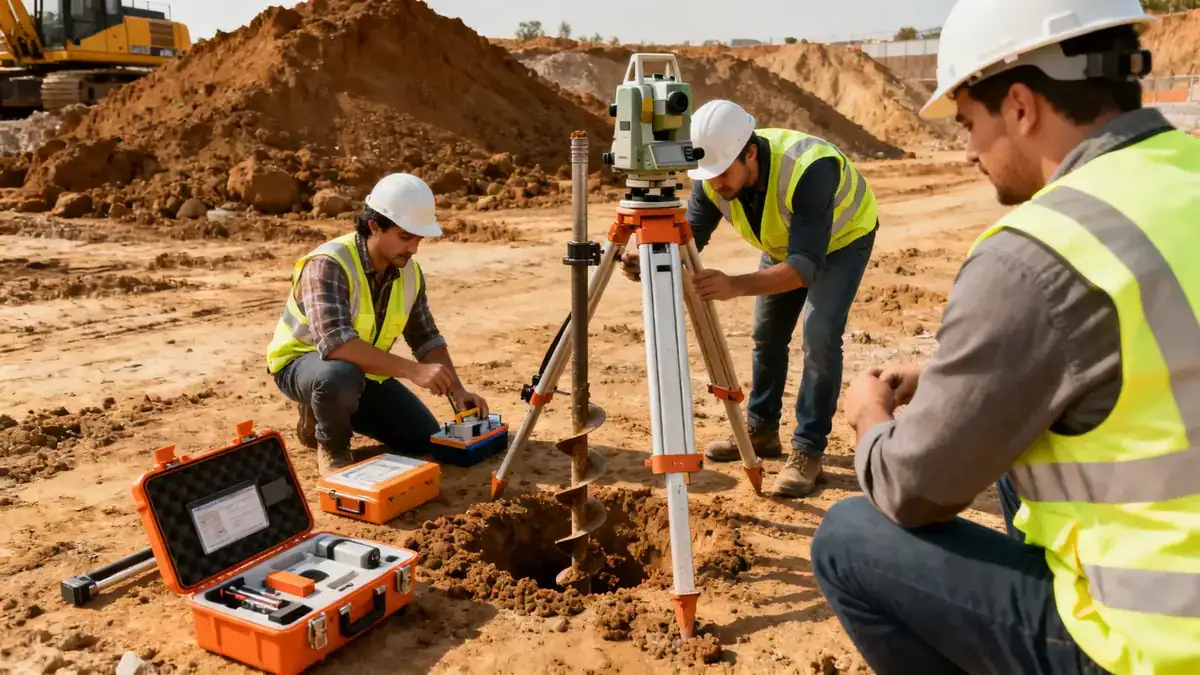
Our methodology in Fontana follows a systematic approach beginning with a thorough review of existing geological maps and seismic hazard data. We then conduct subsurface investigations using techniques such as spt boring to obtain soil samples at regular intervals, typically every 1.5 meters as per ASTM D1586. Laboratory testing, including grain size analysis and Atterberg limits, is performed on representative samples to classify soils and determine engineering properties. All field and lab data are integrated to develop site-specific geotechnical recommendations, including allowable bearing capacity, settlement estimates, and seismic design parameters.
Reference Technical Parameters
| Parameter | Reference Value |
|---|---|
| Predominant Soil Type | Alluvial sand, silt, and clay with gravel layers |
| Maximum Seismic Acceleration (PGA) | 0.5g to 0.6g (Site Class D, per ASCE 7-16) |
| Typical Groundwater Level | 10 to 30 feet below ground surface |
| Bedrock Depth | 50 to 100 feet (granitic basement) |
| Typical N60 Range (SPT) | 10 to 40 blows per foot |
Local Considerations — Fontana
Fontana's geology is dominated by Quaternary alluvial deposits from the San Gabriel Mountains, with interbedded sands, silts, and clays. The city lies in a seismically active region, with potential ground shaking from the San Andreas and San Jacinto faults. Liquefaction susceptibility is moderate in areas with shallow groundwater, typically encountered at depths of 10–30 feet. Geotechnical investigations must account for variability across neighborhoods, from the older alluvial fans in the north to younger floodplain deposits near the Santa Ana River. Typical projects include residential slab-on-grade foundations and commercial structures requiring deep foundations. Our team coordinates with local building departments and references our geotechnical engineering en Los Angeles hub for broader regional context.
Request a Quote
Our team reviews your project and issues an initial report at no cost.
Or write us directly at [email protected]
Services in Fontana
Applicable Standards
- ASTM D1586 (Standard Penetration Test)
- ASCE 7-16 (Minimum Design Loads for Buildings)
- California Building Code (CBC) 2022
- ASTM D2487 (Unified Soil Classification System)
Frequently Asked Questions
What are the typical soil types found in Fontana?
Fontana soils are predominantly alluvial deposits consisting of sands, silts, and clays, often with gravel layers. Deeper soils may include older alluvium with higher density. Understanding these variations is essential for foundation design.
How does seismic activity affect geotechnical design in Fontana?
Fontana is subject to high seismic hazard from nearby faults. Design must consider peak ground accelerations up to 0.6g, liquefaction potential, and site class effects. Our analyses follow ASCE 7-16 to ensure structural safety.
Are geotechnical studies mandatory for construction in Fontana?
Yes, the California Building Code requires site-specific geotechnical investigations for most new construction. Local jurisdictions in San Bernardino County enforce these requirements to mitigate risks from soil variability and seismicity.