Methodology
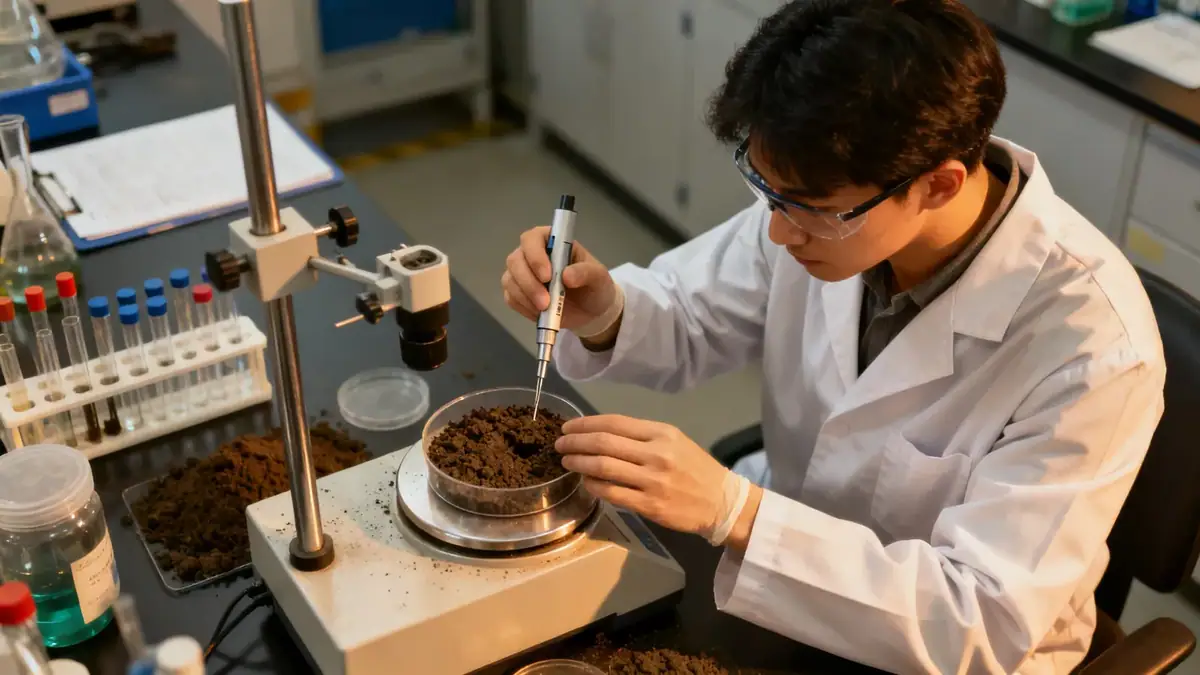
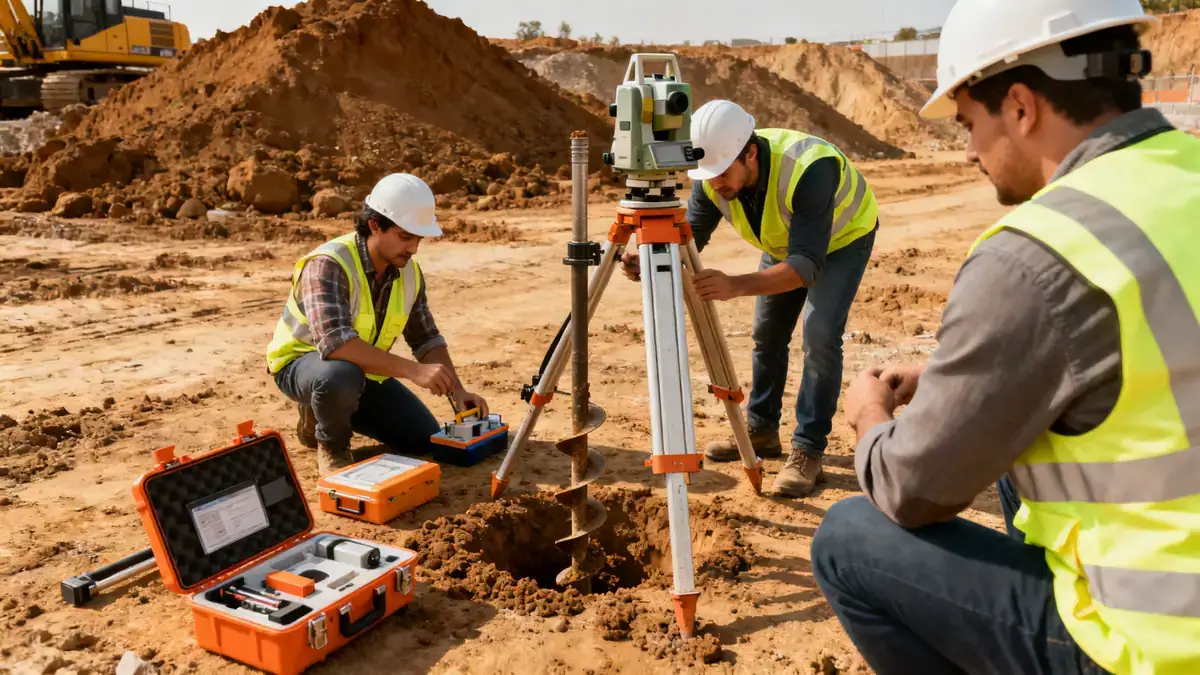
Our methodology for geotechnical engineering in Irvine integrates field investigations, laboratory testing, and numerical analysis. We perform standard penetration testing (ASTM D1586) to obtain N60 values, install piezometers to monitor groundwater levels, and collect undisturbed samples for laboratory classification. Seismic hazard assessments follow ASCE 7 criteria, including site-specific response spectra. Our approach ensures robust foundation designs, slope stability evaluations, and earthwork recommendations. For detailed field techniques, see our spt boring services.
Reference Technical Parameters
| Parameter | Reference Value |
|---|---|
| Predominant soil type | Alluvial sands, silts, and clays with interbedded gravels |
| Maximum seismic acceleration (PGA) | 0.4g (ASCE 7 Site Class D) |
| Typical groundwater level | 10–20 ft below ground surface |
| Bedrock depth | 100–300 ft (Tertiary sedimentary rock) |
| Typical N60 range (SPT) | 10–30 blows/ft in upper 30 ft |
Local Considerations — Irvine
Irvine lies within the Peninsular Ranges geomorphic province, underlain by young alluvial deposits from the Santa Ana River and its tributaries. Soils are typically granular near the surface, with increasing fines and clay content at depth. Seasonal groundwater fluctuations can impact excavation and foundation design, especially in areas near San Diego Creek. Seismic hazards include strong ground shaking from nearby faults (e.g., Newport-Inglewood, San Andreas) and potential liquefaction in saturated sandy layers. Older neighborhoods (e.g., Woodbridge) often require deeper foundations, while newer developments near the hills may involve slope stability considerations. Our soil mechanics laboratory supports site-specific characterization. For regional expertise, we also offer geotechnical engineering en Los Angeles.
Request a Quote
Our team reviews your project and issues an initial report at no cost.
Or write us directly at [email protected]
Services in Irvine
Applicable Standards
- ASTM D1586 (Standard Penetration Test)
- ASCE 7 (Minimum Design Loads for Buildings and Other Structures)
- California Building Code (CBC) Chapter 18
- Irvine Municipal Code – Grading and Excavation Regulations
Frequently Asked Questions
What types of soil are commonly found in Irvine?
Irvine's soils are predominantly alluvial sands, silts, and clays, often interbedded with gravel layers. Near the coast, marine terrace deposits may be encountered. These variations require site-specific investigation for accurate foundation design.
Are seismic studies mandatory for construction in Irvine?
Yes, the California Building Code requires seismic hazard assessments for most structures. Our firm provides site-specific response spectra and liquefaction analyses to comply with ASCE 7 and local regulations.
When is a geotechnical investigation required in Irvine?
Geotechnical investigations are typically required for new buildings, additions, grading permits, and retaining walls. The city's building department reviews reports to ensure public safety and compliance with the Irvine Municipal Code.