
Methodology
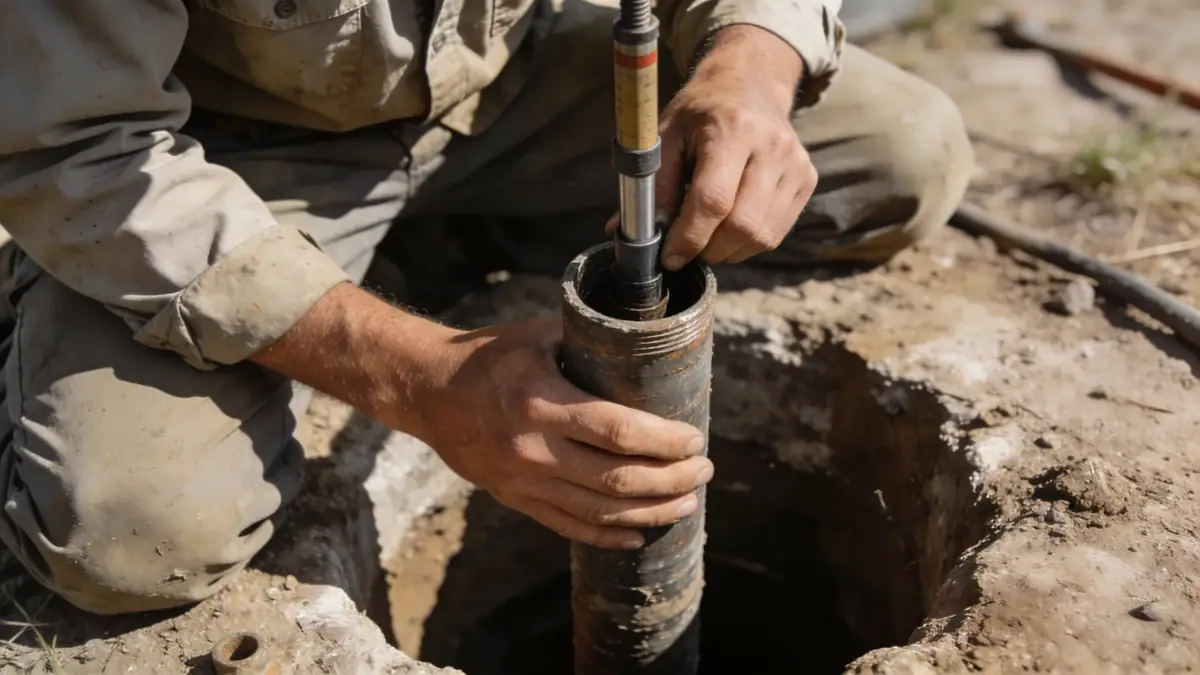
Our methodology for geotechnical engineering in Long Beach begins with a thorough review of existing geological data and site history. We then conduct field investigations, including spt boring to obtain soil samples and measure penetration resistance, supplemented by laboratory testing in our soil mechanics laboratory. Advanced seismic hazard analyses are performed per ASCE 7 to evaluate liquefaction and ground motion parameters. This integrated approach ensures robust foundation designs and slope stability assessments, mitigating risks associated with local soil and seismic conditions.
Reference Technical Parameters
| Parameter | Reference Value |
|---|---|
| Predominant soil type | Alluvial sands and silty clays |
| Maximum seismic acceleration (PGA) | 0.4g to 0.6g (ASCE 7) |
| Typical groundwater level | 3 to 10 feet below ground surface |
| Bedrock depth | 500 to 2,000 feet |
| Typical N60 range | 10 to 30 blows per foot |
Local Considerations — Long Beach
Long Beach's geology is dominated by Quaternary alluvial deposits from the Los Angeles River and San Gabriel River, consisting of interbedded sands, silts, and clays. Shallow groundwater is common, often within 10 feet of the surface, requiring dewatering considerations for excavations. Seismic hazards include strong ground shaking from nearby faults (e.g., Newport-Inglewood) and liquefaction potential in loose, saturated sands. Our firm leverages its experience from geotechnical engineering en Los Angeles to address these conditions. For site-specific analyses, we employ slope stability evaluations where needed.
Request a Quote
Our team reviews your project and issues an initial report at no cost.
Or write us directly at [email protected]
Services in Long Beach
Applicable Standards
- ASCE 7 (Minimum Design Loads for Buildings and Other Structures)
- California Building Code (CBC)
- ASTM D1586 (Standard Test Method for Penetration Test and Split-Barrel Sampling of Soils)
- ASTM D2487 (Classification of Soils for Engineering Purposes)
- Local City of Long Beach Municipal Code
Frequently Asked Questions
What soil types are typical for geotechnical engineering in Long Beach?
Long Beach predominantly features alluvial soils, including loose to medium-dense sands, silty sands, and soft to stiff clays. These deposits often exhibit variable density and moisture content, necessitating careful site-specific investigation to assess bearing capacity and settlement potential.
How does seismic activity affect geotechnical engineering in Long Beach?
Long Beach is in a seismically active region with potential for strong ground shaking from faults like the Newport-Inglewood and San Andreas. Geotechnical studies must evaluate liquefaction, lateral spreading, and seismic settlement per ASCE 7 to ensure foundation safety and code compliance.
Are geotechnical studies mandatory for construction in Long Beach?
Yes, the California Building Code and local regulations typically require a geotechnical investigation for most new structures, especially those in seismic zones or with shallow foundations. Studies are also recommended for alterations, additions, and slope stability assessments.