Methodology
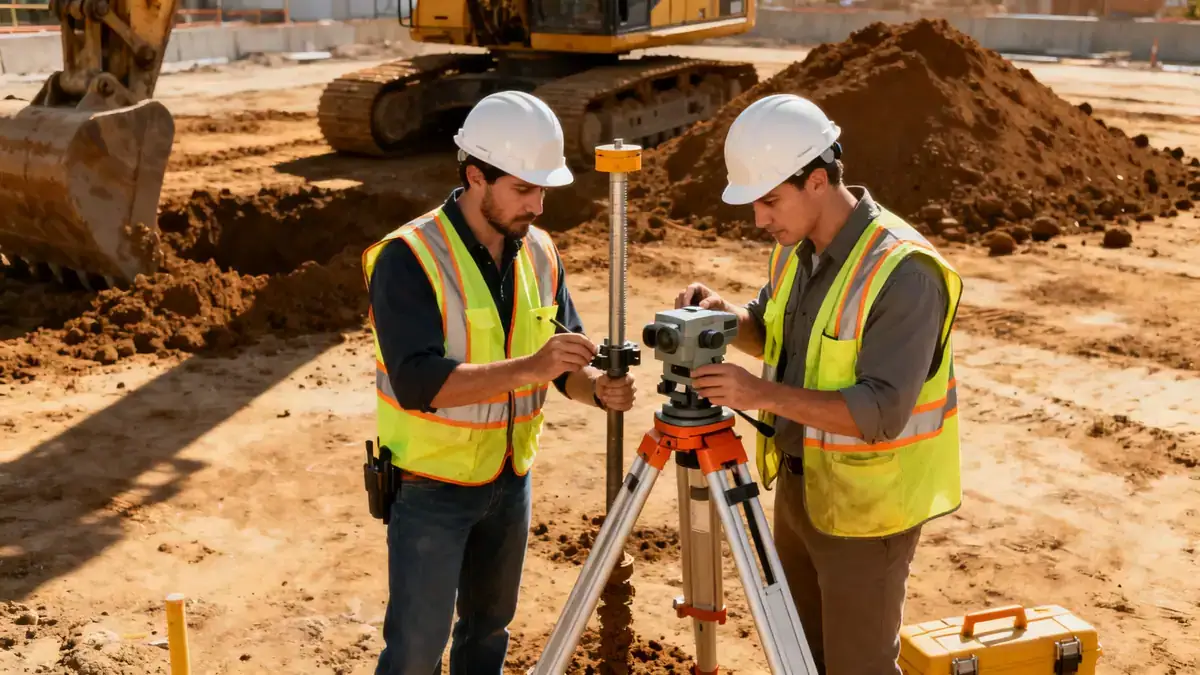
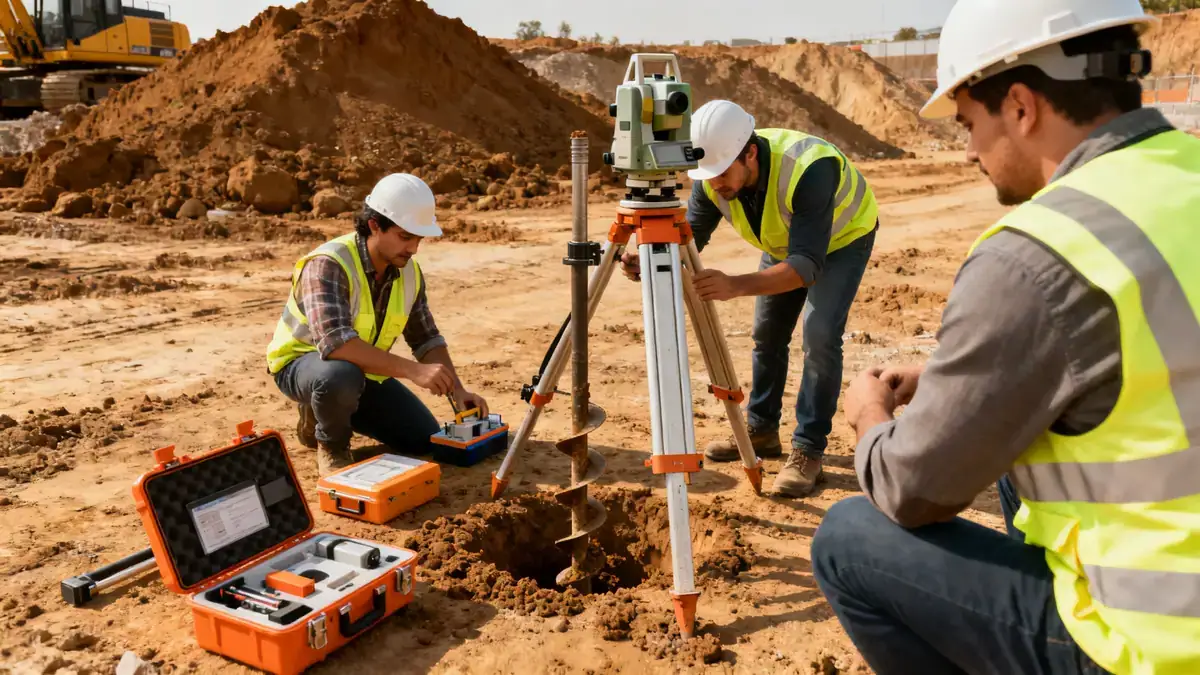
Our methodology for geotechnical engineering in Santa Rosa begins with a comprehensive site reconnaissance and review of existing geological data. We then perform subsurface exploration using techniques such as spt boring to obtain soil samples and measure penetration resistance. Testing follows ASTM D1586 standards, with sampling intervals typically every 1.5 meters. In the laboratory, we classify soils per the Unified Soil Classification System and determine engineering properties through a suite of tests. This data informs our analysis of bearing capacity, settlement, and seismic hazards. Our reports provide clear recommendations tailored to local conditions.
Reference Technical Parameters
| Parameter | Reference Value |
|---|---|
| Predominant soil type | Alluvial silty clay and sand |
| Maximum seismic acceleration (PGA) | 0.6g (ASCE 7-16) |
| Typical groundwater level | 3–6 m below ground surface |
| Bedrock depth | Variable, 10–30 m |
| Typical N60 range | 10–30 blows per foot |
Local Considerations — Santa Rosa
Santa Rosa's geology is dominated by Quaternary alluvial deposits from the Russian River and its tributaries. These soils are typically fine-grained silts and clays with interbedded sand lenses, leading to variable bearing capacities. The city lies within a seismically active region, with the Rodgers Creek Fault posing a significant hazard. Liquefaction potential is moderate to high in areas with shallow groundwater, particularly near the river corridor. In contrast, hillside areas underlain by Franciscan Complex rock exhibit lower seismic risk but require slope stability assessments. Our team has extensive experience addressing these contrasts across Santa Rosa's neighborhoods, from downtown to the outskirts. For a broader perspective, see our work from geotechnical engineering in Los Angeles.
Request a Quote
Our team reviews your project and issues an initial report at no cost.
Or write us directly at [email protected]
Services in Santa Rosa
Applicable Standards
- ASCE 7-16 (Minimum Design Loads and Associated Criteria for Buildings and Other Structures)
- California Building Code (CBC) 2022
- ASTM D1586 (Standard Test Method for Standard Penetration Test (SPT) and Split-Barrel Sampling of Soils)
- ASTM D2487 (Standard Practice for Classification of Soils for Engineering Purposes (Unified Soil Classification System))
Frequently Asked Questions
What are the typical soil conditions encountered in Santa Rosa?
Santa Rosa soils are primarily alluvial silty clays and sands deposited by the Russian River. These soils often exhibit moderate to high plasticity and variable density. Groundwater is typically shallow, at depths of 3 to 6 meters, which influences foundation design and construction methods.
How does seismic design apply to projects in Santa Rosa?
Santa Rosa is in Seismic Design Category D or E per ASCE 7-16 due to proximity to active faults. Peak ground acceleration can reach 0.6g. Geotechnical investigations must evaluate liquefaction potential, lateral spreading, and site amplification to inform structural design.
Are geotechnical studies mandatory for construction in Santa Rosa?
Yes, most local jurisdictions require a geotechnical report for new construction, additions, and significant remodels, especially in areas with known soil or seismic hazards. The report must address soil bearing capacity, settlement, and seismic site class per the California Building Code.