Methodology
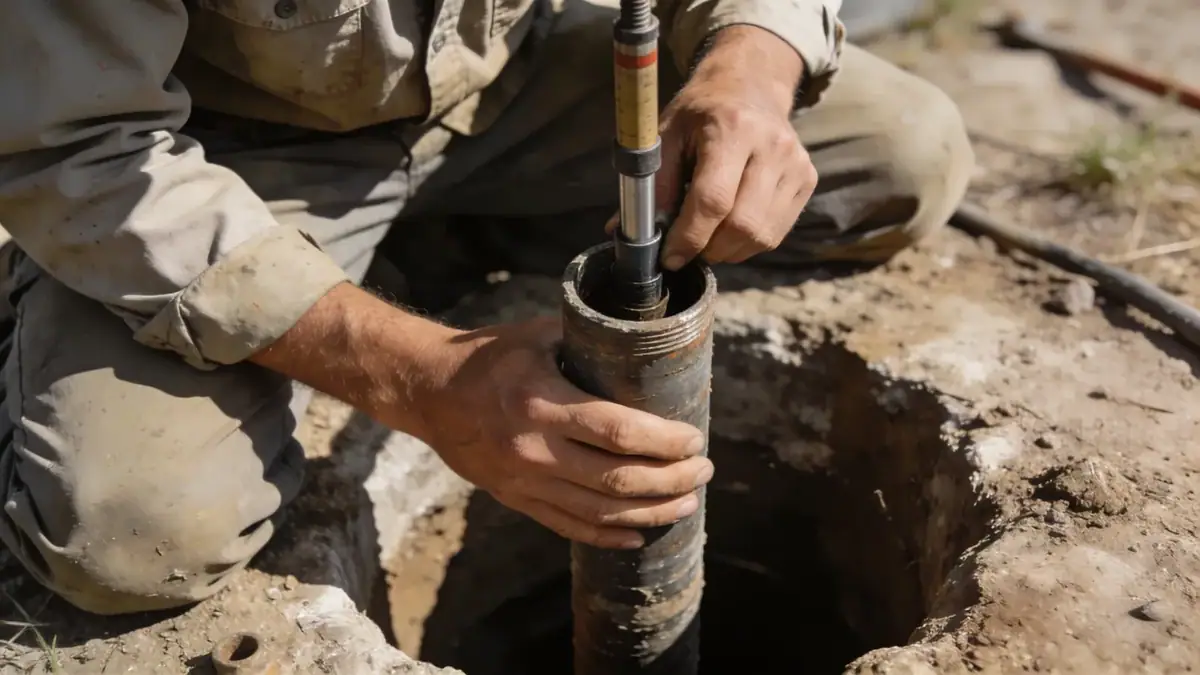
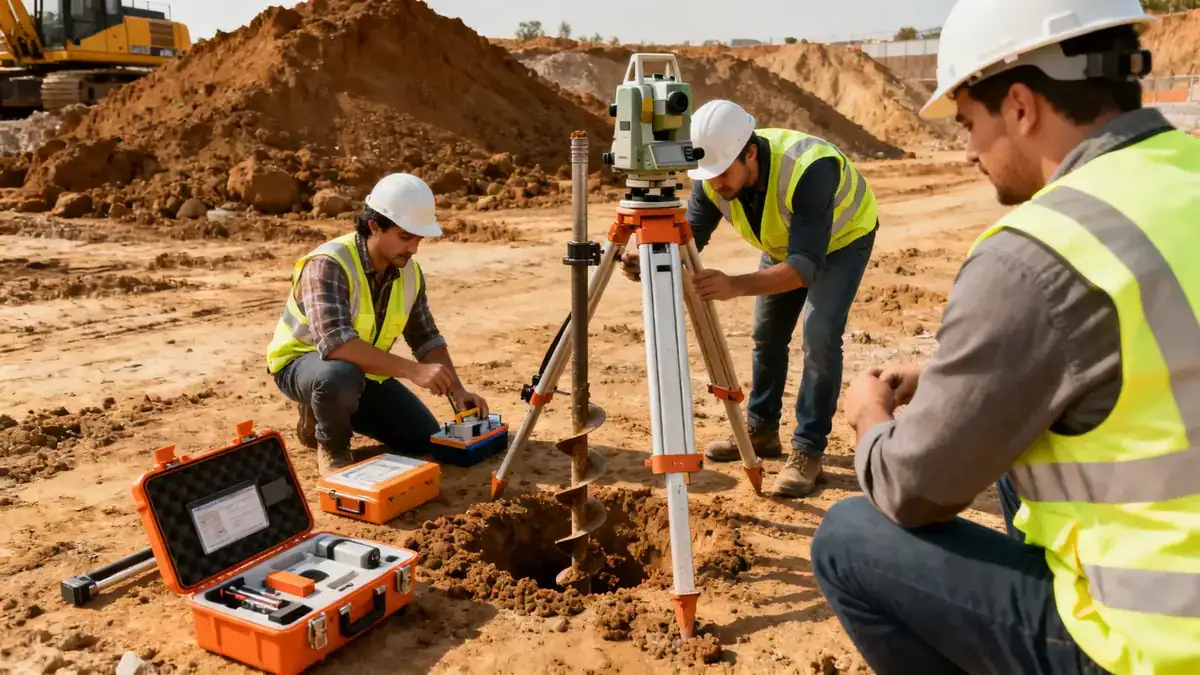
Our methodology in San Diego integrates advanced field investigations with comprehensive laboratory testing. We employ spt boring to characterize soil strata and obtain undisturbed samples, following ASTM D1586 standards. Cone penetration testing (CPT) provides continuous soil behavior profiles, while test pits allow direct observation of shallow conditions. Laboratory analyses include grain size distribution, Atterberg limits, and direct shear testing to determine strength parameters. All investigations are tailored to project-specific requirements, ensuring data quality and regulatory compliance. Our approach emphasizes risk mitigation through thorough site characterization and peer-reviewed interpretation.
Reference Technical Parameters
| Parameter | Reference Value |
|---|---|
| Predominant soil type | Sandy terrace deposits, clayey alluvium |
| Maximum seismic acceleration (PGA) | 0.4g (Seismic Zone 4) |
| Typical groundwater level | 2–30 m below ground surface |
| Bedrock depth | 15–60 m, variable |
| Typical N60 range (SPT) | 10–50 blows/ft |
Local Considerations — San Diego
San Diego's geology is dominated by the La Nación and Santiago Peak formations, with alluvial deposits along river valleys. Seismic hazards include potential for strong shaking from the Rose Canyon and Elsinore faults. Coastal areas often exhibit high groundwater, requiring dewatering or waterproofing measures. Inland, expansive clays pose risks to slab-on-grade foundations. Our team has addressed challenges such as liquefaction potential in Mission Bay fill and slope stability in the foothills. For broader regional context, we coordinate with our geotechnical engineering en Los Angeles office to ensure consistency across Southern California projects.
Request a Quote
Our team reviews your project and issues an initial report at no cost.
Or write us directly at [email protected]
Services in San Diego
Applicable Standards
- ASTM D1586 (Standard Penetration Test)
- ASCE 7 (Minimum Design Loads and Associated Criteria for Buildings)
- California Building Code (Title 24)
- San Diego Municipal Code (Chapter 14, Geology)
Frequently Asked Questions
What are the typical soil conditions for geotechnical engineering in San Diego?
San Diego soils vary widely: coastal areas feature sandy terrace deposits with high permeability, while inland valleys contain clay-rich alluvium prone to expansion. Bedrock depth ranges from shallow in the foothills to deep in sedimentary basins, influencing foundation design.
Which seismic regulations apply to geotechnical engineering projects in San Diego?
San Diego is in Seismic Zone 4 per the California Building Code, requiring site-specific response analysis per ASCE 7. The Rose Canyon fault generates design earthquakes with magnitudes up to 6.9, and liquefaction assessments are mandatory in susceptible areas.
Are geotechnical studies mandatory for construction in San Diego?
Yes, most building permits require a geotechnical report to address soil bearing capacity, settlement, seismic hazards, and groundwater. The San Diego Municipal Code mandates these studies for new structures, additions exceeding 50% of floor area, and retaining walls over 6 feet.