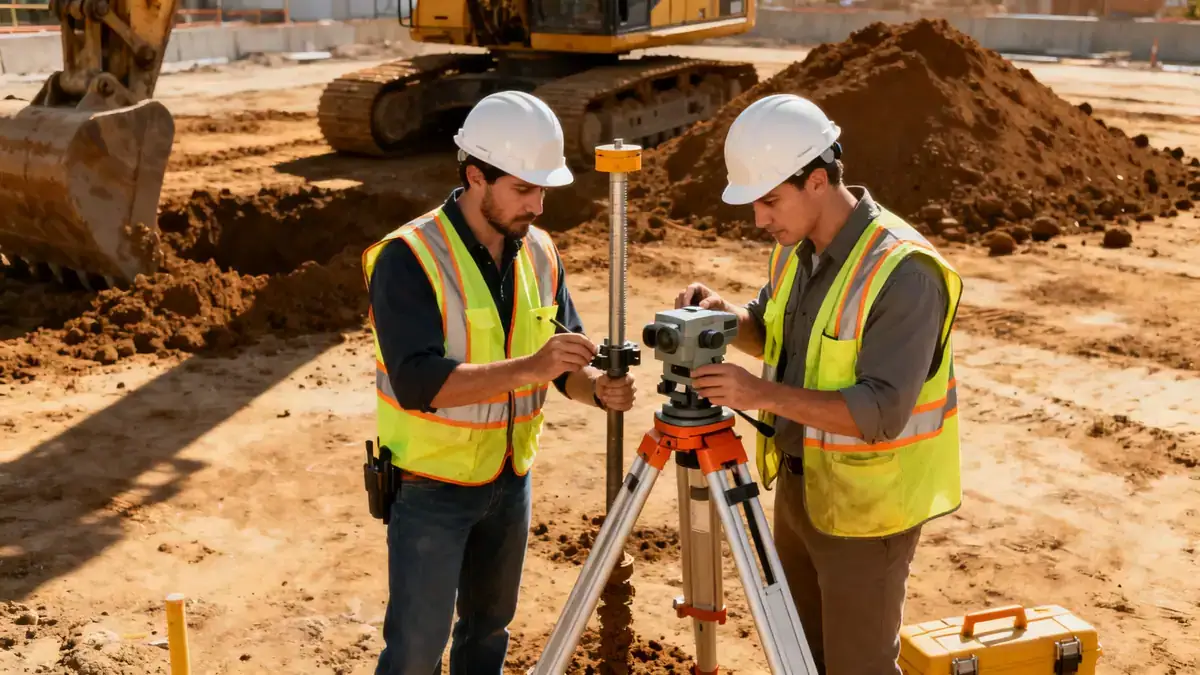
Methodology
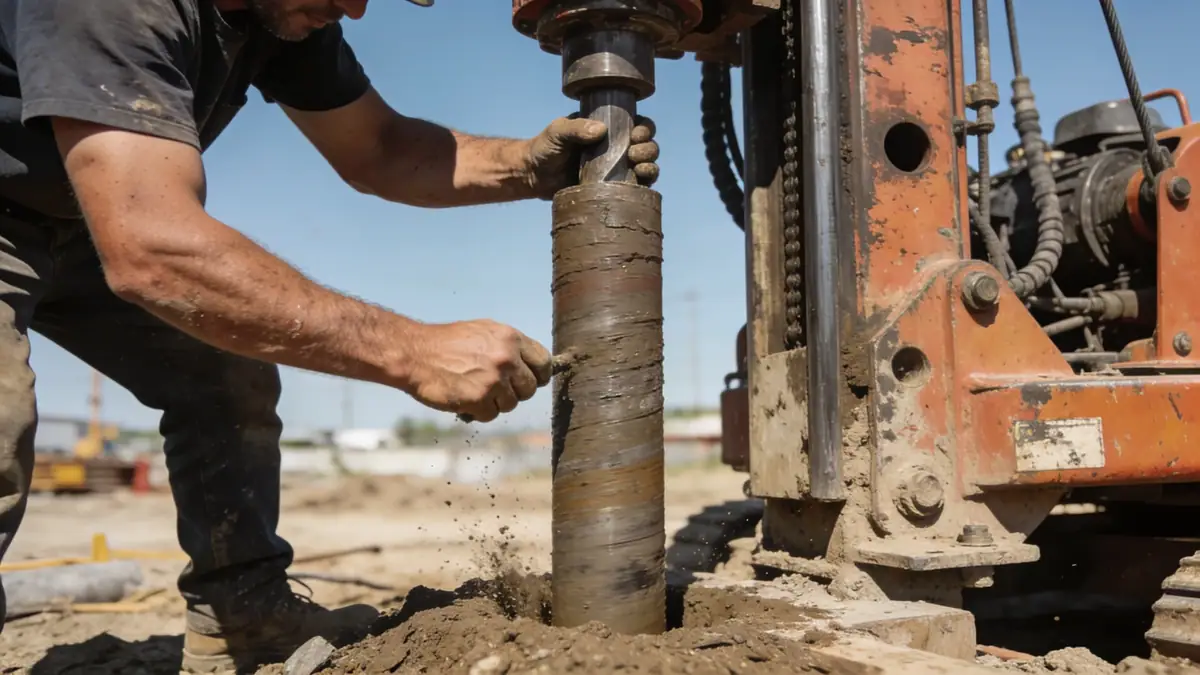
Our methodology for geotechnical engineering in Modesto begins with a thorough review of existing geologic maps and seismic hazard data. We then conduct field exploration programs including spt boring in accordance with ASTM D1586 to characterize soil strata and obtain undisturbed samples. Soil classification, strength, and consolidation parameters are determined in our soil mechanics laboratory using ASTM standards. For slope stability and retaining wall projects, we perform limit equilibrium analyses and design to meet ASCE 7 seismic requirements. Our integrated approach ensures reliable recommendations for foundations, earthworks, and pavements, addressing Modesto's unique soil variability and seismic risks.
Reference Technical Parameters
| Parameter | Reference Value |
|---|---|
| Predominant soil type | Alluvial silty clays and sands (SM, CL) |
| Maximum seismic acceleration (PGA) | 0.3g to 0.4g (ASCE 7-16) |
| Typical groundwater level | 3 to 6 meters below grade |
| Bedrock depth | Greater than 30 meters |
| Typical N60 range | 5 to 30 blows per 0.3 m |
Local Considerations — Modesto
Modesto's geotechnical engineering landscape is shaped by its location in the Central Valley, with deep alluvial deposits from ancient rivers. Our team considers five key factors: (1) Variable soil profiles: stiff clays in the east contrast with soft, compressible clays near the Tuolumne River. (2) High groundwater: shallow water tables in floodplains require dewatering and buoyancy considerations. (3) Seismic hazard: moderate to high PGA (0.3-0.4g) from distant faults, with potential for liquefaction in loose sands. (4) Expansive soils: clay layers with high plasticity can cause foundation movement. (5) Regulatory oversight: compliance with local building codes and California Geological Survey guidelines. For a broader perspective, see our geotechnical engineering services in Los Angeles, where similar challenges are addressed.
Request a Quote
Our team reviews your project and issues an initial report at no cost.
Or write us directly at [email protected]
Services in Modesto
Applicable Standards
- ASTM D1586 - Standard Test Method for Penetration Test and Split-Barrel Sampling of Soils
- ASCE 7-16 - Minimum Design Loads and Associated Criteria for Buildings and Other Structures
- California Building Code (CBC) Chapter 18 - Soils and Foundations
- ASTM D2487 - Standard Practice for Classification of Soils for Engineering Purposes
Frequently Asked Questions
What soil types are common in Modesto for geotechnical engineering?
Modesto's soils are primarily alluvial, consisting of interbedded silty clays (CL), lean clays, and sands (SM, SP). Near the Tuolumne River, soft clays and loose sands with high groundwater are prevalent, while eastern areas have stiffer, desiccated clays. Understanding these variations is critical for foundation design.
Does Modesto have specific seismic requirements for geotechnical studies?
Yes, Modesto falls under Seismic Design Category D per ASCE 7-16, with a PGA of 0.3-0.4g. Geotechnical reports must address liquefaction potential, lateral spreading, and seismic settlement. The California Building Code mandates site-specific response spectra for critical structures.
Are geotechnical investigations mandatory for new construction in Modesto?
For most commercial and multi-family residential projects, a geotechnical investigation is required by the California Building Code. Single-family homes on conventional lots may be exempt, but a soil report is strongly recommended to identify expansive soils or high groundwater that could affect slab performance.