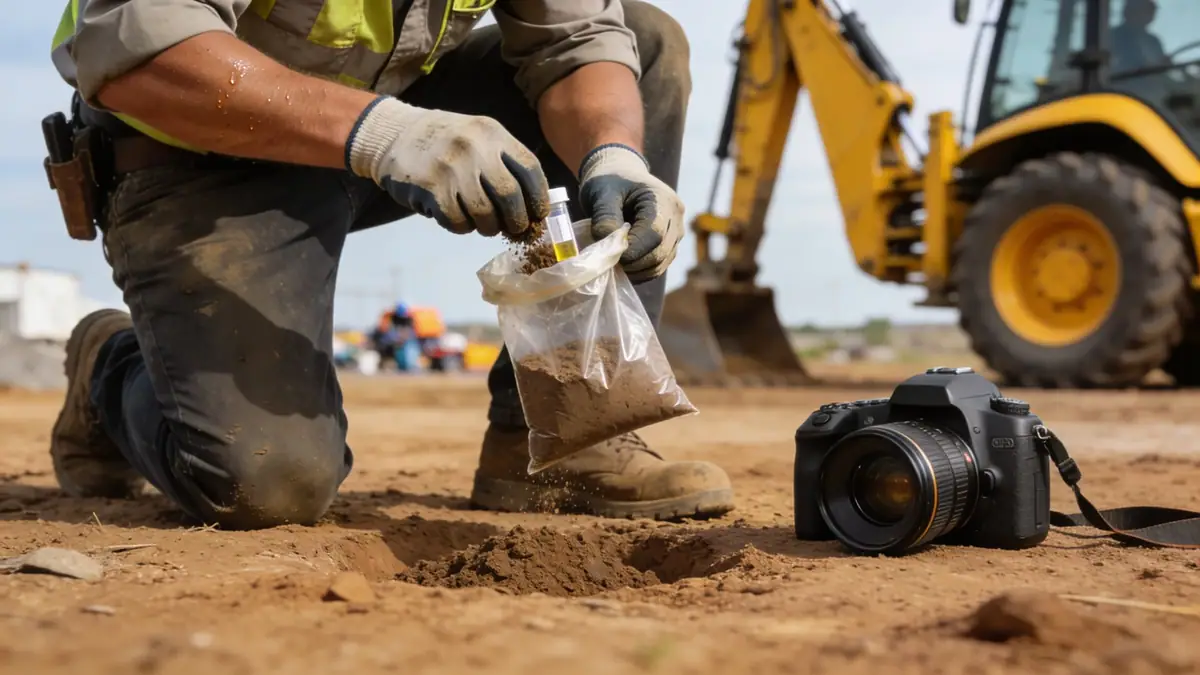
Methodology
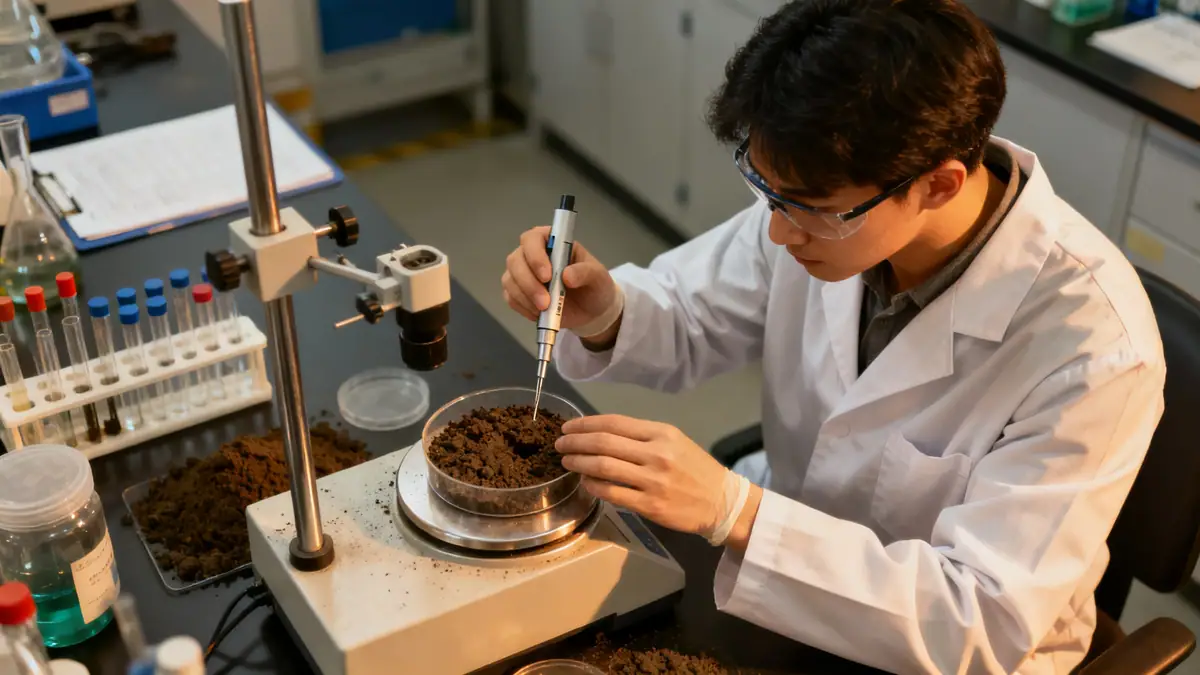
Our approach to geotechnical engineering in Concord, California, begins with a detailed review of existing geological maps and historical data. We then conduct field investigations, including spt boring to assess soil stratigraphy and strength, following ASTM D1586 standards. Laboratory tests on recovered samples determine key properties such as grain size distribution (ASTM D6913) and Atterberg limits. For seismic design, we evaluate site-specific response spectra per ASCE 7-16. This integrated methodology allows us to characterize subsurface conditions accurately and develop foundation solutions that mitigate risks associated with liquefaction and settlement in the region.
Reference Technical Parameters
| Parameter | Reference Value |
|---|---|
| Predominant soil type | Alluvial sands and clays over Franciscan bedrock |
| Maximum seismic acceleration (PGA) | 0.6g (ASCE 7-16, Site Class D) |
| Typical groundwater level | 5–15 ft below ground surface |
| Bedrock depth | 20–50 ft |
| Typical N60 range | 10–30 blows/ft |
Local Considerations — Concord California
Concord sits within the Coast Ranges geomorphic province, characterized by Quaternary alluvium over Tertiary and Mesozoic bedrock. The region is seismically active due to the nearby Concord and Green Valley faults. Liquefaction potential is moderate to high in areas with shallow groundwater and loose sands. In neighborhoods like downtown Concord, older fills may require deeper foundations. Hillside developments on the north face slope stability concerns. Our team has extensive experience with these conditions, providing site-specific recommendations. For broader context, our geotechnical engineering en Los Angeles practice addresses similar challenges, allowing cross-regional insights.
Request a Quote
Our team reviews your project and issues an initial report at no cost.
Or write us directly at [email protected]
Services in Concord California
Applicable Standards
- ASTM D1586 (Standard Penetration Test)
- ASCE 7-16 (Minimum Design Loads for Buildings)
- California Building Code (CBC) 2022
- ABAG Seismic Hazard Maps
Frequently Asked Questions
What are the most common soil types in Concord, California?
Concord typically has alluvial soils, including silty sands and clays, underlain by Franciscan Complex bedrock. These soils can be variable, requiring careful subsurface investigation to assess bearing capacity and settlement potential.
Is seismic analysis required for building permits in Concord?
Yes, due to the proximity of active faults like the Concord fault, the California Building Code mandates site-specific seismic hazard analysis. This includes determining peak ground acceleration and liquefaction potential for most new structures.
Do I need a geotechnical report for a small residential project in Concord?
While not always mandatory, a geotechnical report is highly recommended for residential projects to identify soil conditions, groundwater levels, and seismic risks. It helps prevent costly foundation issues and ensures compliance with local building codes.