Methodology

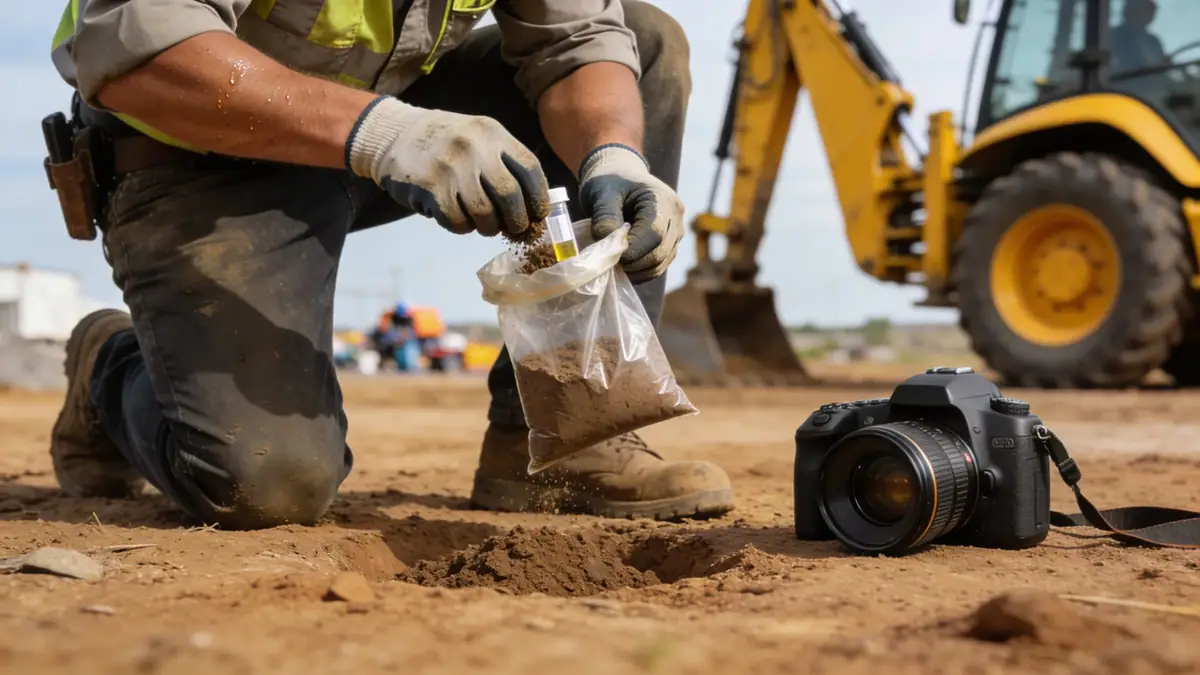
Our methodology in Ontario California begins with a comprehensive review of existing geological maps and seismic hazard data. We then conduct field investigations, including spt boring to standard penetration test (SPT) procedures per ASTM D1586, sampling at 1.5-meter intervals to characterize soil strata. Laboratory testing on recovered samples determines index properties, strength, and compressibility. Seismic site classification per ASCE 7 is performed using shear wave velocity measurements or N60 correlations. All data is integrated into a geotechnical model that informs foundation design, slope stability, and earthwork recommendations tailored to Ontario's conditions.
Reference Technical Parameters
| Parameter | Reference Value |
|---|---|
| Predominant soil type | Alluvial sands, silts, and gravels with clay lenses |
| Maximum seismic acceleration (PGA) | 0.4g to 0.6g (Site Class D, per ASCE 7) |
| Typical groundwater level | 3 to 10 meters below ground surface (varies seasonally) |
| Bedrock depth | Greater than 30 meters (deep alluvial basin) |
| Typical N60 range | 10 to 40 blows per foot (sands and gravels) |
Local Considerations — Ontario California
Ontario California lies within the deep alluvial basin of the Inland Empire, underlain by Pleistocene to Holocene deposits from the San Gabriel and San Bernardino Mountains. The soil profile often consists of interbedded sands, silts, and clays with occasional gravel layers. Groundwater levels can be shallow near the Santa Ana River corridor, requiring dewatering considerations for excavations. Seismic hazards include strong ground shaking from the San Andreas and San Jacinto faults, with peak ground accelerations up to 0.6g. Liquefaction potential is moderate to high in saturated sandy zones. Our soil mechanics laboratory provides site-specific testing to address these conditions. For broader regional context, see our geotechnical engineering en Los Angeles page.
Request a Quote
Our team reviews your project and issues an initial report at no cost.
Or write us directly at [email protected]
Services in Ontario California
Applicable Standards
- ASTM D1586 (Standard Penetration Test)
- ASCE 7 (Minimum Design Loads for Buildings and Other Structures)
- California Building Code (CBC) Chapter 18 (Soils and Foundations)
- ASTM D2487 (Classification of Soils for Engineering Purposes)
- ASTM D4318 (Atterberg Limits)
Frequently Asked Questions
What are the typical soil conditions in Ontario California?
The soil profile in Ontario California is predominantly alluvial sands, silts, and gravels, often interbedded with clay lenses. These deposits can be highly variable, with groundwater depths ranging from 3 to 10 meters. Proper geotechnical investigation is essential to characterize these conditions for foundation design.
Is a geotechnical study required for construction in Ontario California?
Yes, the California Building Code (CBC) mandates geotechnical investigations for most new construction and additions. Given Ontario's seismic setting and variable soils, a site-specific study is critical to determine seismic site class, liquefaction potential, and foundation recommendations.
What seismic hazards affect Ontario California?
Ontario is near the San Andreas and San Jacinto fault systems, resulting in high seismic hazard. Peak ground accelerations can reach 0.6g. Liquefaction, lateral spreading, and fault rupture are potential risks, especially in areas with shallow groundwater and loose sands.