Methodology
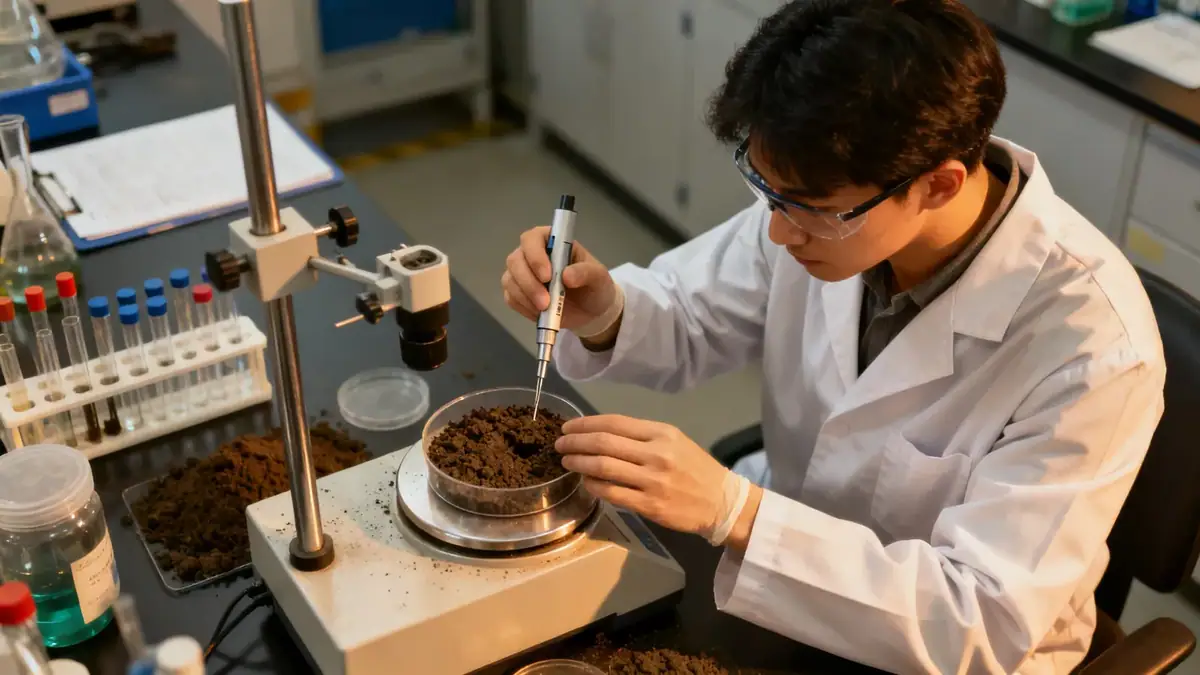
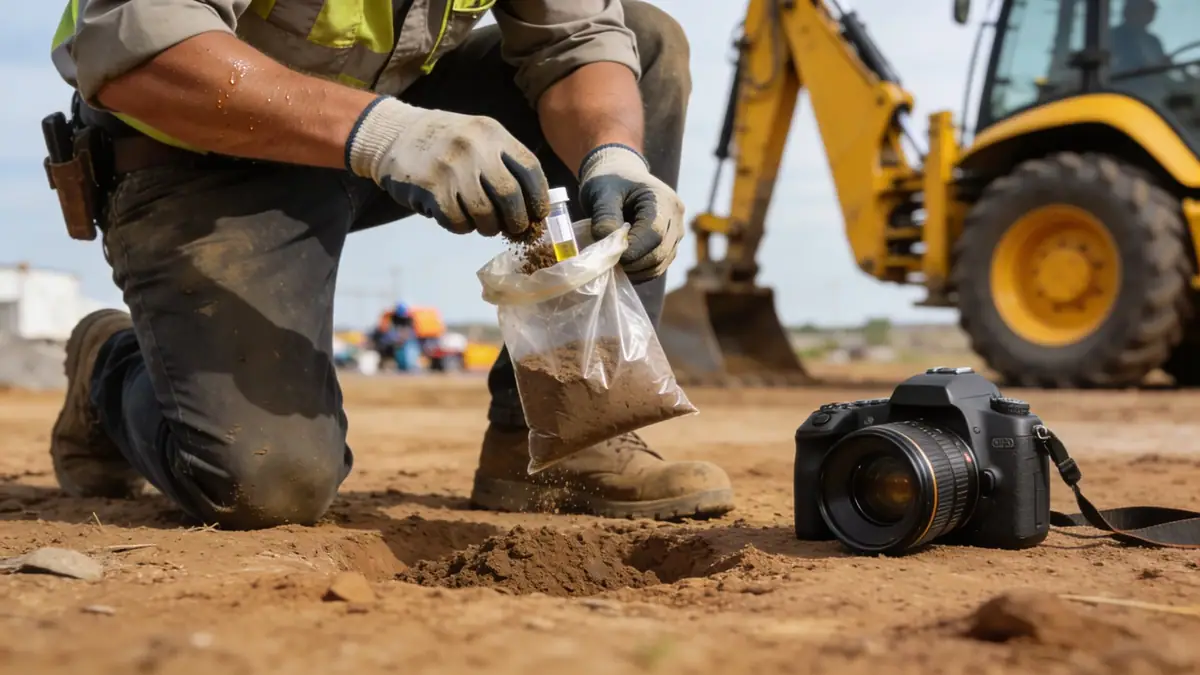
Our methodology in Bakersfield integrates field and laboratory procedures per ASTM and Caltrans standards. We conduct spt boring at depths up to 30 meters to characterize soil strata, with N60 values ranging from 5 to 50 blows per foot. Disturbed and undisturbed samples are analyzed in our soil mechanics laboratory for moisture content, Atterberg limits, and shear strength. This data informs foundation recommendations and slope stability assessments. Our process emphasizes quality control through continuous logging and adherence to ASTM D1586 for split-spoon sampling. The integration of field data with laboratory results provides a reliable basis for geotechnical design in Bakersfield's varied subsurface conditions.
Reference Technical Parameters
| Parameter | Reference Value |
|---|---|
| Predominant soil type | Silty clay and clayey sand (CH, CL, SC) |
| Maximum seismic acceleration (PGA) | 0.4 g (ASCE 7-16, Site Class D) |
| Typical groundwater level | 6–15 m below ground surface |
| Bedrock depth | Variable; >30 m in valley floor |
| Typical N60 range (SPT) | 5–30 blows/ft (upper 10 m) |
Local Considerations — Bakersfield
Bakersfield's geology is dominated by Quaternary alluvial deposits from the Kern River, with interbedded clays, silts, and sands. Expansive soils (Plasticity Index >30) are common, requiring mitigation such as soil replacement or deep foundations. The region lies in Seismic Zone 4 (ASCE 7), with a PGA of 0.4g, necessitating liquefaction and lateral spread evaluations. Our firm's experience includes projects near the Kern River channel and the Central Valley floor, where groundwater levels fluctuate seasonally. For detailed local expertise, our team coordinates with the geotechnical engineering en Los Angeles office to align with state-wide standards. We also provide slope stability assessments for sites adjacent to canal embankments and the Tehachapi foothills.
Request a Quote
Our team reviews your project and issues an initial report at no cost.
Or write us directly at [email protected]
Services in Bakersfield
Applicable Standards
- ASTM D1586
- ASCE 7-16
- California Building Code (CBC)
- Caltrans Geotechnical Manual
Frequently Asked Questions
What are the typical soil conditions in Bakersfield?
Bakersfield's soils are predominantly alluvial silty clays and clayey sands, with high plasticity in some areas. Expansive clays are common, requiring careful foundation design. Groundwater is typically 6–15 m deep, but can be shallower near the Kern River.
Do I need a geotechnical study for a residential project in Bakersfield?
Yes, the California Building Code requires a geotechnical investigation for most new structures, including residential, to address seismic hazards and expansive soils. A study ensures compliance with local codes and reduces long-term risks.
What seismic hazards affect Bakersfield?
Bakersfield is in Seismic Zone 4 with a PGA of 0.4g. Primary hazards include ground shaking, liquefaction in sandy soils, and lateral spreading near canals. Our studies evaluate these risks per ASCE 7 to design appropriate foundations.