Methodology
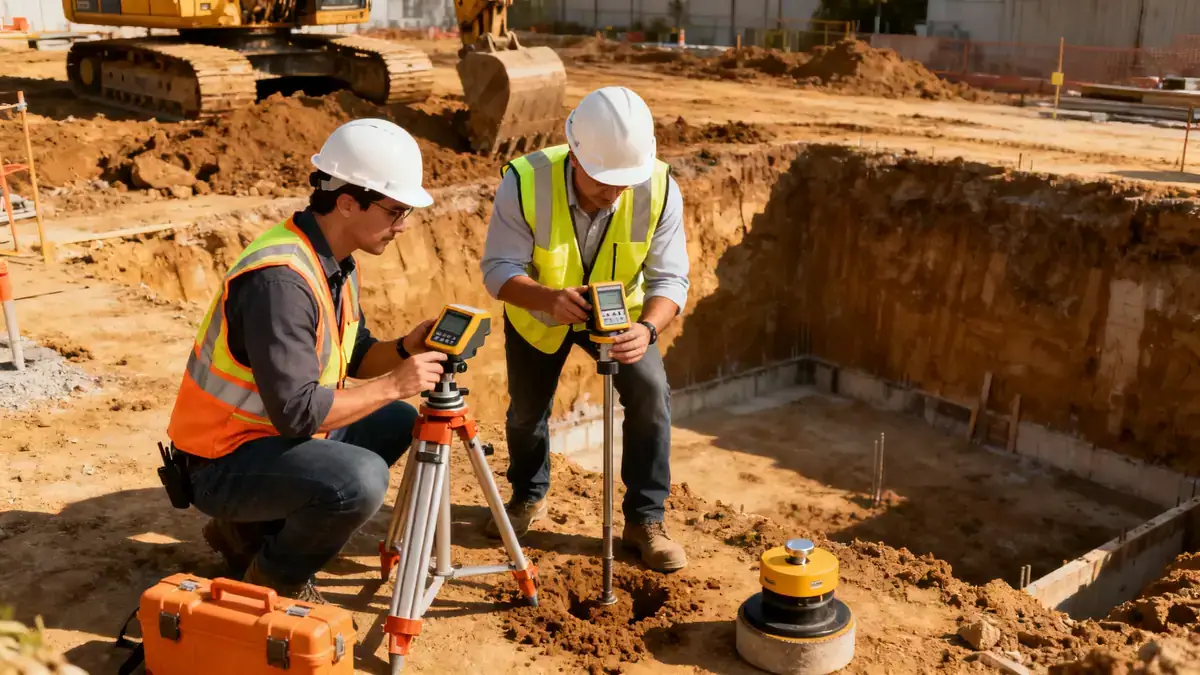
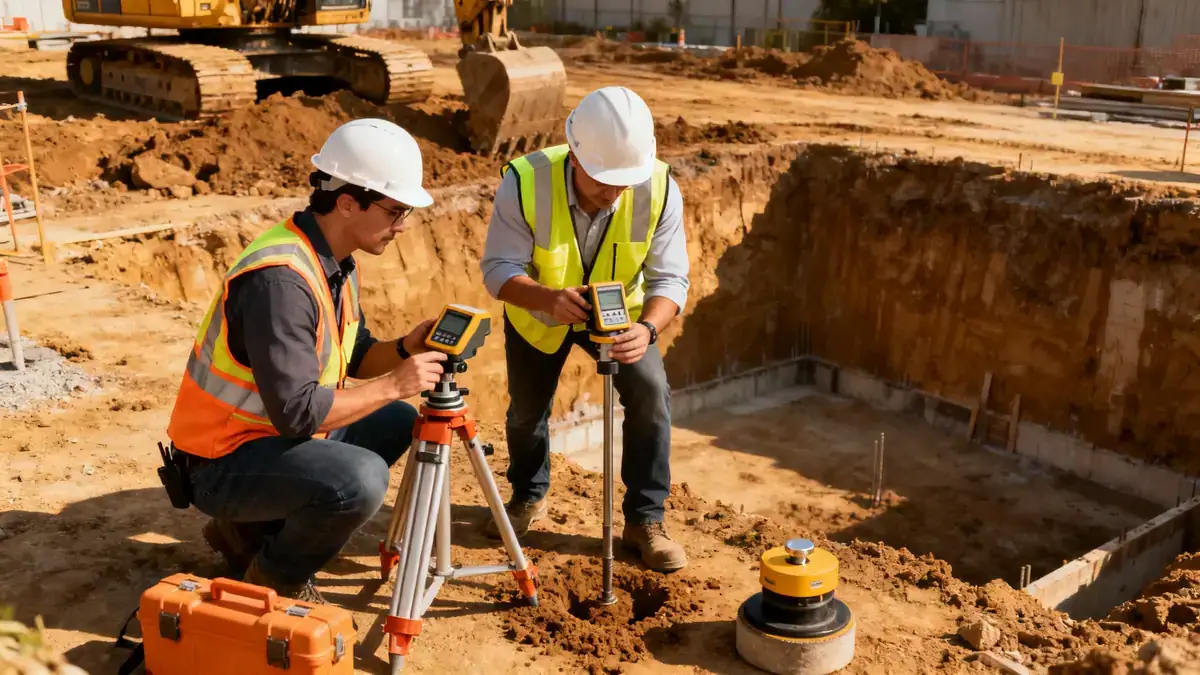
Our firm employs a systematic approach to geotechnical engineering in Henderson Nevada, beginning with a thorough review of existing geologic maps and nearby project data. Field investigations typically include spt boring at depths of 10 to 20 meters, with sampling intervals per ASTM D1586. In-situ testing is complemented by laboratory analyses such as grain size distribution and Atterberg limits. We integrate these results with local seismic criteria to develop recommendations for foundation design and earthwork. Our methodology ensures that each project receives site-specific solutions tailored to Henderson's geologic environment.
Reference Technical Parameters
| Parameter | Reference Value |
|---|---|
| Predominant soil type | Sands, silts, gravels (alluvial fan deposits) |
| Peak ground acceleration (PGA) | 0.2g (ASCE 7-16, Site Class D) |
| Typical groundwater depth | 15–30 m (variable with season) |
| Bedrock depth | >30 m (basin sediments over bedrock) |
| Typical N60 range (SPT) | 10–50 blows/0.3 m (silty sands to dense gravels) |
Local Considerations — Henderson Nevada
Henderson's geology is dominated by Quaternary alluvial fans from the McCullough Range and Las Vegas Valley fill. Soil types transition from coarse gravels near the mountain fronts to finer silty sands and clays toward the valley axis. The region is in Seismic Design Category C per ASCE 7-16. Key challenges include collapsible soils in some areas and potential for liquefaction in saturated loose sands. Our team coordinates with local building departments and references Clark County standards. For specialized analysis, we also offer soil mechanics laboratory services to characterize these materials. Additionally, our geotechnical engineering en Los Angeles hub supports regional projects requiring cross-jurisdictional expertise.
Request a Quote
Our team reviews your project and issues an initial report at no cost.
Or write us directly at [email protected]
Services in Henderson Nevada
Applicable Standards
- ASTM D1586 (Standard Penetration Test)
- ASCE 7-16 (Minimum Design Loads and Associated Criteria for Buildings and Other Structures)
- IBC 2021 (International Building Code)
- Clark County Geotechnical Design Standards
Frequently Asked Questions
What types of soil are typically found in Henderson Nevada?
Henderson's subsurface primarily consists of alluvial fan deposits: sands, silts, and gravels with variable fines. Near the McCullough Range, coarse gravels dominate, while finer silty sands and clays occur toward the valley center. Collapsible soils may be present in some areas.
Is a geotechnical study required for construction in Henderson?
Yes, the Clark County Building Department typically requires a geotechnical investigation for new structures, especially those in Seismic Design Category C. A report addressing soil bearing capacity, settlement, and seismic site class is necessary for permit approval.
What seismic design considerations apply in Henderson?
Henderson falls under Seismic Design Category C per ASCE 7-16, with a peak ground acceleration of 0.2g. Site class D (stiff soil) is common. Design must account for potential liquefaction in saturated loose sands and differential settlement in collapsible soils.