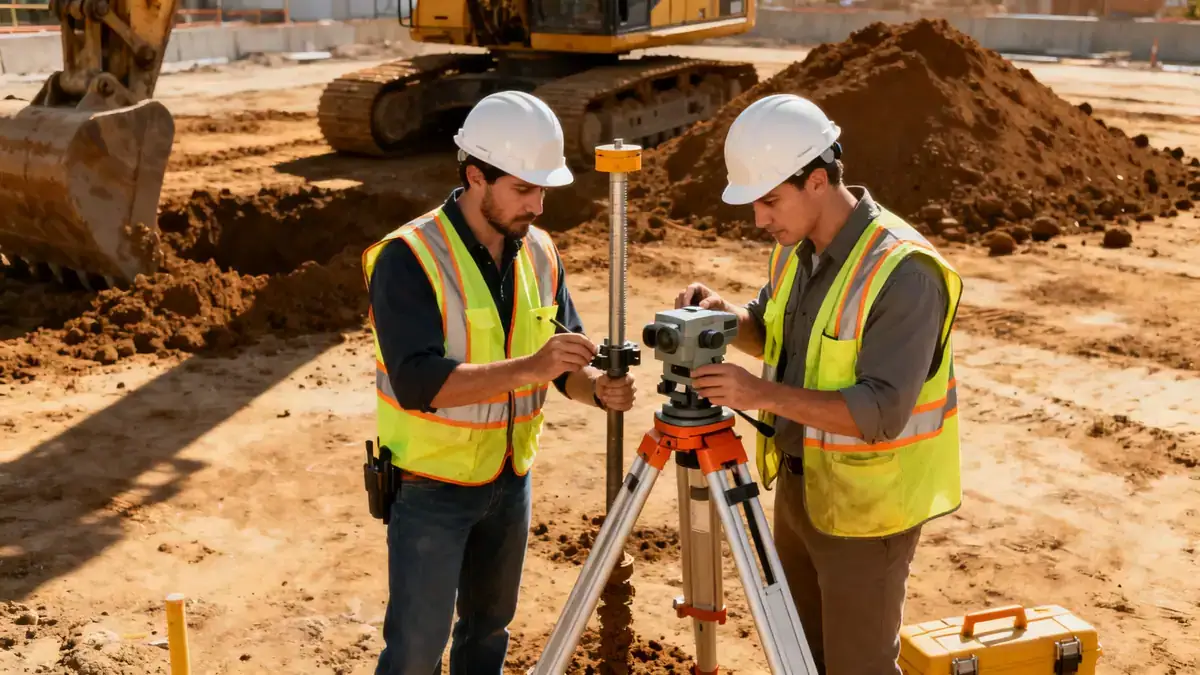
Methodology
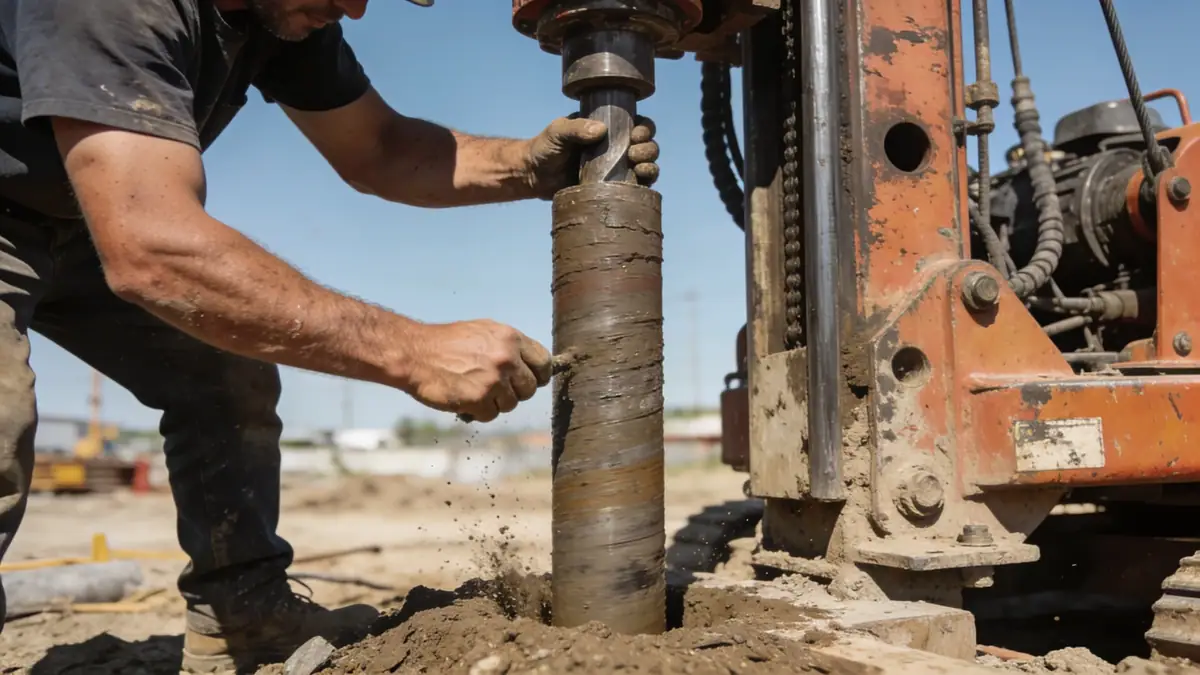
Our approach to geotechnical engineering in Orange California begins with a comprehensive review of existing geological maps and seismic hazard data. We then conduct field investigations, including spt boring to obtain soil samples and measure N-values, supplemented by laboratory testing of soil mechanics parameters. Each project follows a phased methodology: reconnaissance, subsurface exploration, laboratory analysis, and reporting. This systematic process ensures that our recommendations are tailored to the specific soil profile and seismic setting of each site in Orange California.
Reference Technical Parameters
| Parameter | Reference Value |
|---|---|
| Predominant soil type | Alluvial sands and silty clays |
| Maximum seismic acceleration (PGA) | 0.4g to 0.6g (ASCE 7-16) |
| Typical groundwater level | 10 to 20 feet below ground surface |
| Bedrock depth | Greater than 100 feet in most areas |
| Typical N60 range | 5 to 30 blows per foot |
Local Considerations — Orange California
Orange California sits within the Los Angeles Basin, underlain by deep alluvial deposits from the Santa Ana River. The soil profile typically consists of interbedded sands, silts, and clays, with shallow groundwater near the river. Seismic hazards include strong ground shaking from regional faults (e.g., San Andreas, Newport-Inglewood) and liquefaction in saturated loose sands. Older neighborhoods like Orange Park Acres have denser soils, while newer developments near the river require deeper foundations. Our team coordinates with local agencies to address these challenges. For broader regional context, see our geotechnical engineering services in Los Angeles.
Request a Quote
Our team reviews your project and issues an initial report at no cost.
Or write us directly at [email protected]
Services in Orange California
Applicable Standards
- ASTM D1586
- ASCE 7-16
- California Building Code (CBC)
- City of Orange Municipal Code
Frequently Asked Questions
What soil types are commonly found in Orange California?
Orange California primarily features alluvial soils deposited by the Santa Ana River, including loose to medium-dense sands, silty sands, and soft to stiff clays. These deposits vary in thickness and density across the city, requiring site-specific investigation.
Why is seismic analysis important for geotechnical engineering in Orange California?
Orange California is in a high seismic zone with potential peak ground accelerations exceeding 0.4g. Seismic analysis evaluates liquefaction, settlement, and slope stability risks, ensuring foundations and retaining structures meet safety standards under earthquake loading.
Are geotechnical studies mandatory for construction in Orange California?
Yes, the California Building Code and local ordinances require geotechnical investigations for most new construction, additions, and significant alterations. The scope depends on project size and site conditions, but a report is typically needed for permit approval.