Methodology
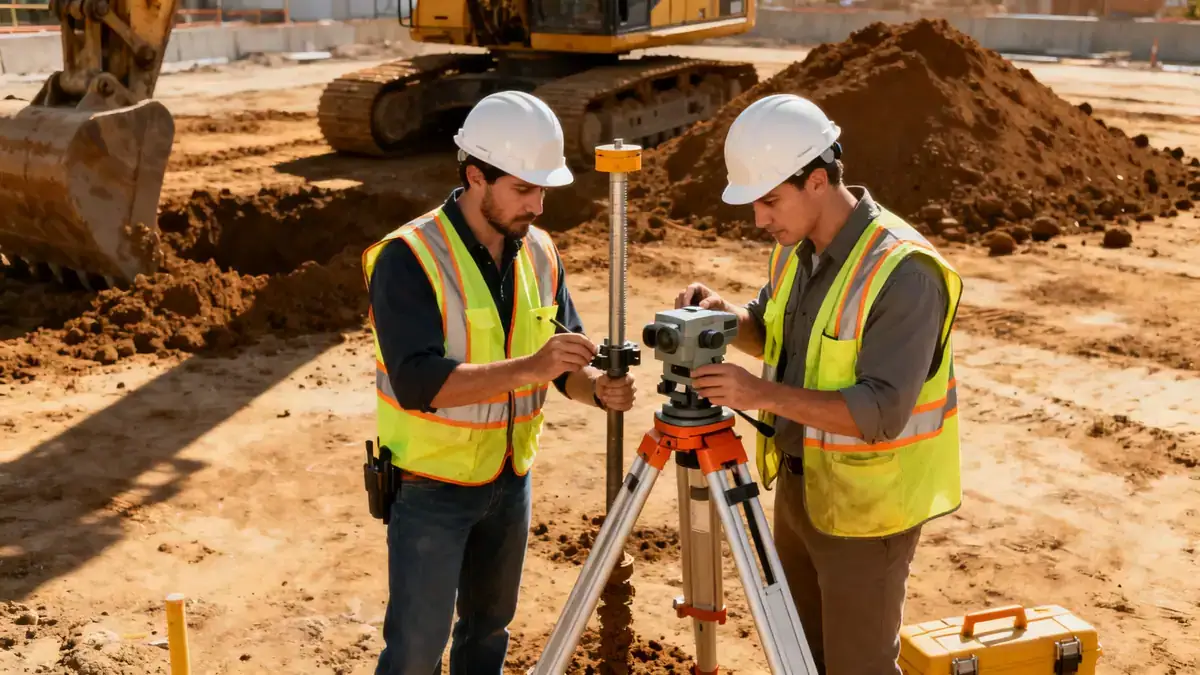
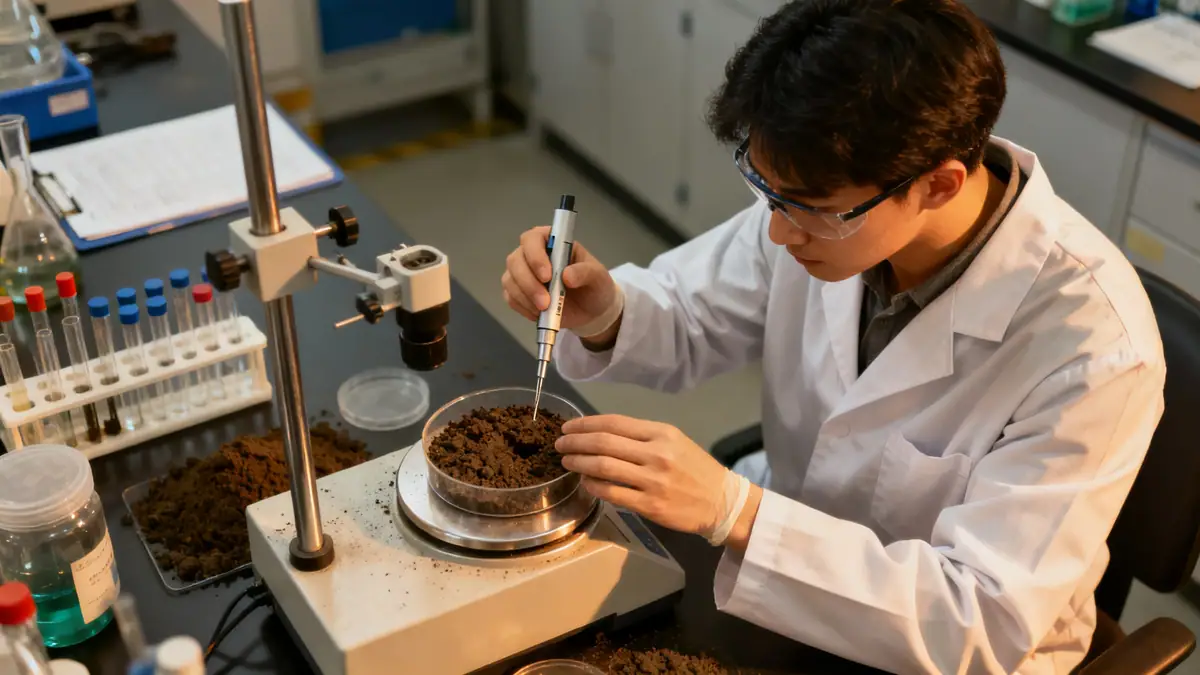
Our methodology in Santa Ana integrates site-specific field investigations and advanced laboratory testing. We perform spt boring to obtain disturbed and undisturbed samples, following ASTM D1586, with standard penetration tests at 1.5 m intervals. Soil classification includes sieve analysis (ASTM D6913) and Atterberg limits (ASTM D4318). Groundwater monitoring is conducted using nested piezometers. For seismic design, we evaluate liquefaction potential using simplified procedures (Youd et al., 2001) and cyclic stress ratios. Our approach ensures compliance with ASCE 7-16 seismic design categories and local grading ordinances.
Reference Technical Parameters
| Parameter | Reference Value |
|---|---|
| Predominant soil type | Silty sand (SM) and poorly graded sand (SP) |
| Maximum seismic acceleration (PGA) | 0.5g (ASCE 7-16) |
| Typical groundwater level | 4.5–9 m (15–30 ft) below ground surface |
| Bedrock depth | Variable, typically >30 m (100 ft) |
| Typical N60 range (SPT) | 10–30 blows/ft in upper 10 m |
Local Considerations — Santa Ana
Santa Ana's subsurface consists of young alluvial deposits prone to liquefaction during strong shaking. The city enforces the California Building Code (CBC) based on ASCE 7, requiring site-specific seismic hazard analyses. Neighborhoods near the Santa Ana River may have higher groundwater levels, increasing liquefaction risk. Our team has completed numerous projects in the area, including residential, commercial, and public works, addressing challenges such as expansive soils and variable fill layers. For slope stability assessments, we reference slope stability analyses using limit equilibrium methods per Eurocode 7. Coordination with the City of Santa Ana's planning department is routine for permit approvals.
Request a Quote
Our team reviews your project and issues an initial report at no cost.
Or write us directly at [email protected]
Services in Santa Ana
Applicable Standards
- ASTM D1586 – Standard Penetration Test
- ASTM D4318 – Atterberg Limits
- ASTM D6913 – Particle-Size Distribution
- ASCE 7-16 – Minimum Design Loads for Buildings
- California Building Code (CBC) 2022
Frequently Asked Questions
What types of soil are commonly found in Santa Ana?
Santa Ana typically has alluvial deposits of silty sands (SM), poorly graded sands (SP), and interbedded silts and clays. These soils are often loose to medium dense in the upper 10 m, requiring careful evaluation for bearing capacity and liquefaction potential.
Is a geotechnical study mandatory for construction in Santa Ana?
Yes, the California Building Code requires a geotechnical investigation for most new structures, especially those in Seismic Design Categories C, D, or E. Local ordinances may also mandate reports for additions, retaining walls, and hillside developments.
What seismic hazards are most relevant in Santa Ana?
The primary hazards are ground shaking, liquefaction, and lateral spreading. Santa Ana lies in a high-seismic zone with PGA up to 0.5g. Loose saturated sands are susceptible to liquefaction, so site-specific studies per ASCE 7 are essential.