Methodology
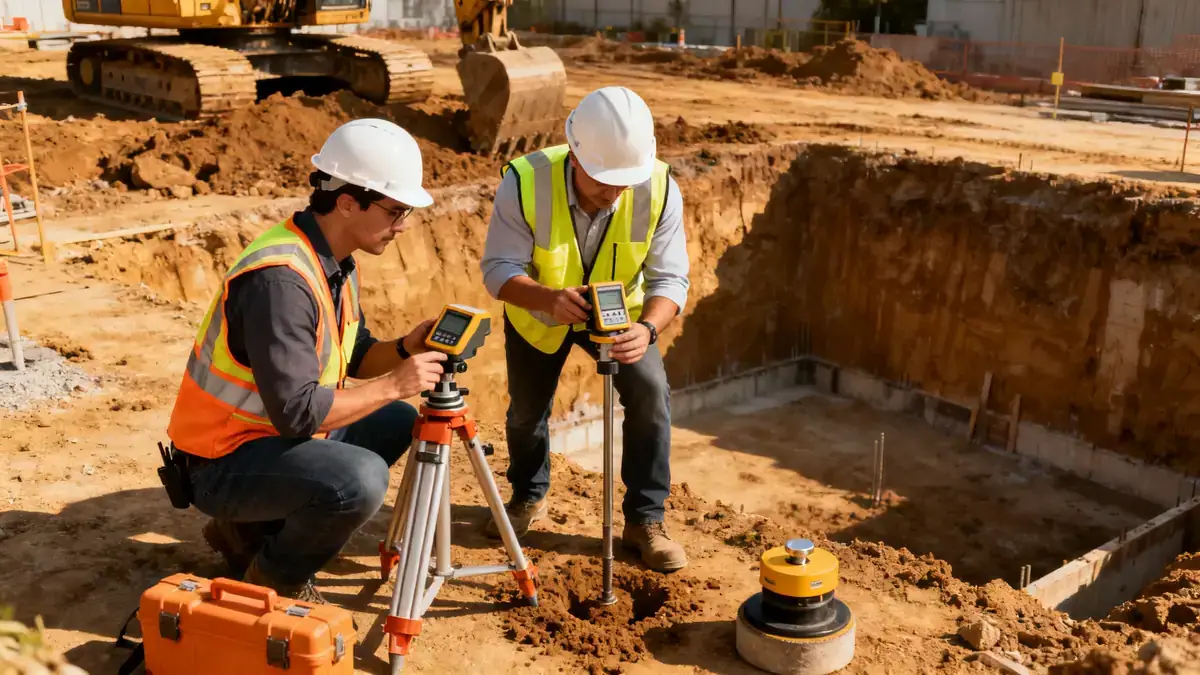
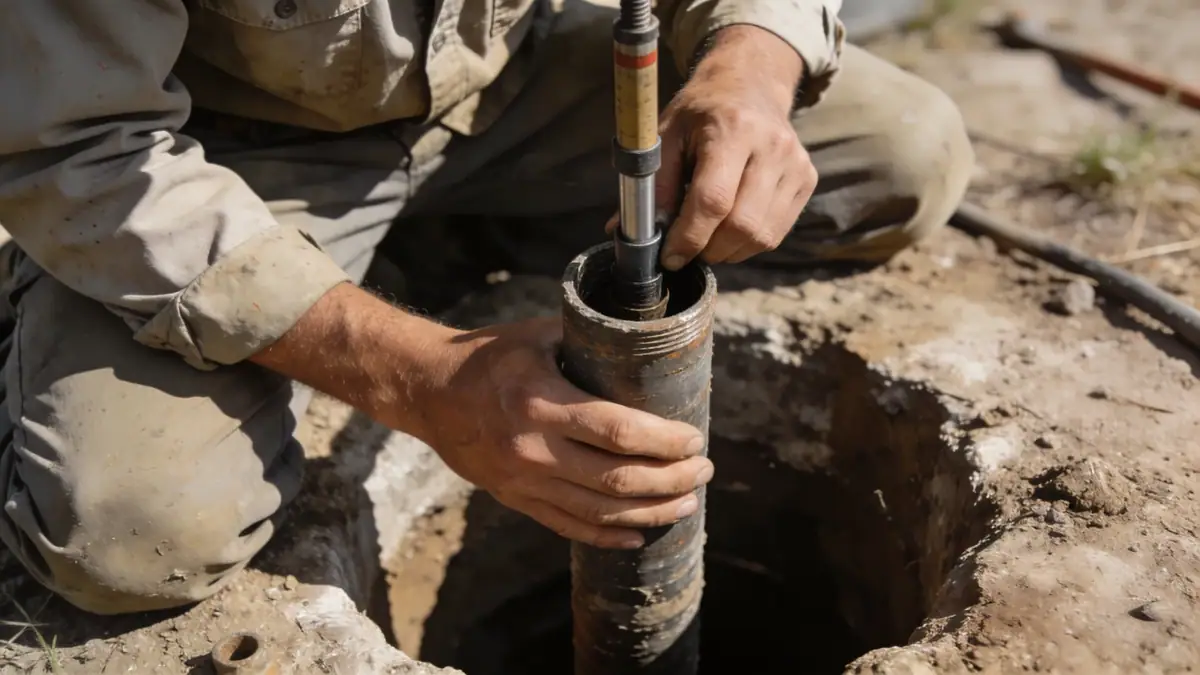
Our methodology for geotechnical engineering in Fresno begins with a comprehensive review of existing geologic data and site history. We then conduct field investigations including spt boring in accordance with ASTM D1586 to obtain soil samples and measure penetration resistance. Laboratory testing follows ASTM standards to classify soils, assess strength, and evaluate consolidation characteristics. For seismic evaluations, we analyze site-specific response spectra per ASCE 7-16. Our integrated approach produces recommendations for foundation type, depth, and ground improvement, ensuring safe and economical designs. Throughout the process, we maintain strict quality control and document all findings in detailed reports.
Reference Technical Parameters
| Parameter | Reference Value |
|---|---|
| Predominant Soil Type | Alluvial sands, silts, and clays with gravel lenses |
| Maximum Seismic Acceleration (PGA) | 0.4g (Site Class D, per ASCE 7-16) |
| Typical Groundwater Level | 10–30 ft below surface, varies seasonally |
| Bedrock Depth | >500 ft (deep alluvial basin) |
| Typical N60 Range | 5–30 blows/ft (deposit dependent) |
Local Considerations — Fresno
Fresno's geology is dominated by deep alluvial deposits from the Sierra Nevada, with interbedded sands, silts, and clays. Expansive clay layers are common, requiring careful evaluation of shrink-swell potential. Shallow groundwater in some areas may necessitate dewatering or specialized foundation systems. Seismic hazards include liquefaction in saturated sandy layers, which we assess using CPT and SPT data. Our team has addressed these conditions across Fresno's diverse neighborhoods, from downtown infill to suburban subdivisions. For advanced analyses, we integrate slope stability evaluations for cut sites and retaining wall design for grading projects. Our local experience ensures tailored solutions that respect Fresno's unique subsurface variability.
Request a Quote
Our team reviews your project and issues an initial report at no cost.
Or write us directly at [email protected]
Services in Fresno
Applicable Standards
- ASTM D1586 (Standard Test Method for Standard Penetration Test)
- ASCE 7-16 (Minimum Design Loads for Buildings and Other Structures)
- California Building Code (CBC 2022)
- ASTM D2487 (Standard Practice for Classification of Soils for Engineering Purposes)
Frequently Asked Questions
What are the typical soil conditions in Fresno?
Fresno's soils are primarily alluvial, consisting of interbedded sands, silts, and clays. Expansive clays and shallow groundwater are common, requiring careful geotechnical evaluation for foundation design and seismic hazard mitigation.
Is a geotechnical study mandatory for construction in Fresno?
Yes, the California Building Code requires a geotechnical investigation for most new structures, especially in Seismic Design Categories D and E. Local jurisdictions may also mandate reports for additions or alterations in high-risk areas.
How does seismic activity affect geotechnical engineering in Fresno?
Fresno lies in a seismically active region with a maximum considered earthquake PGA of 0.4g. Geotechnical studies must evaluate liquefaction, lateral spreading, and site amplification to ensure foundation designs meet ASCE 7-16 requirements.