Methodology
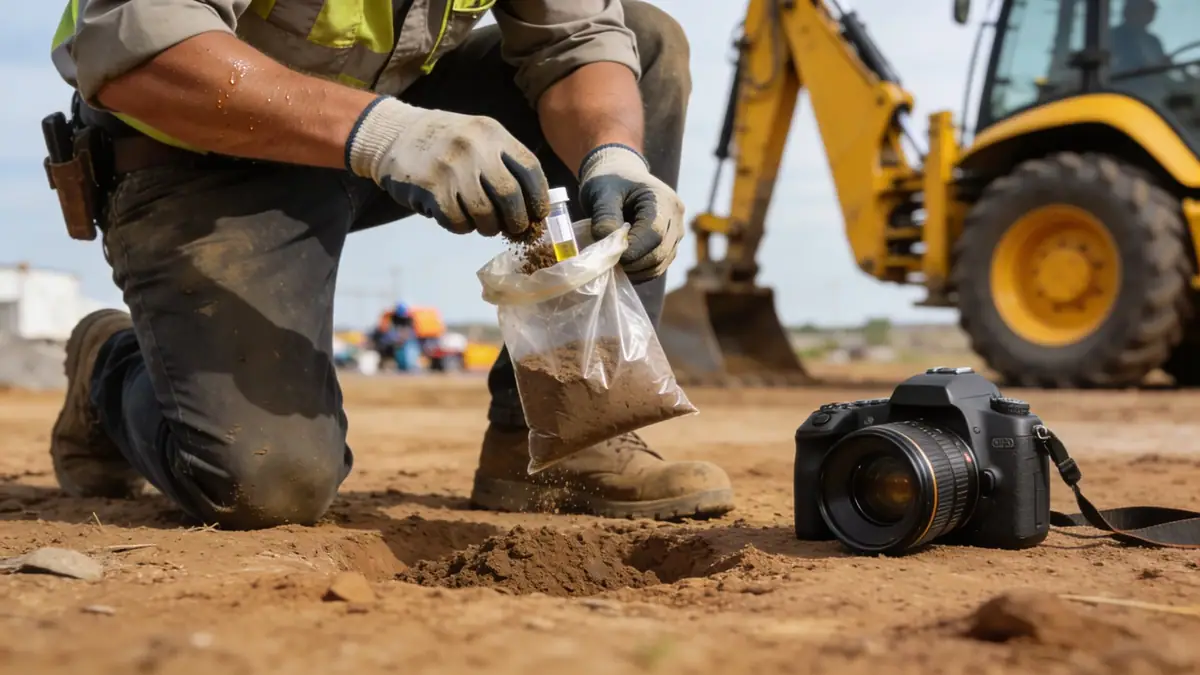
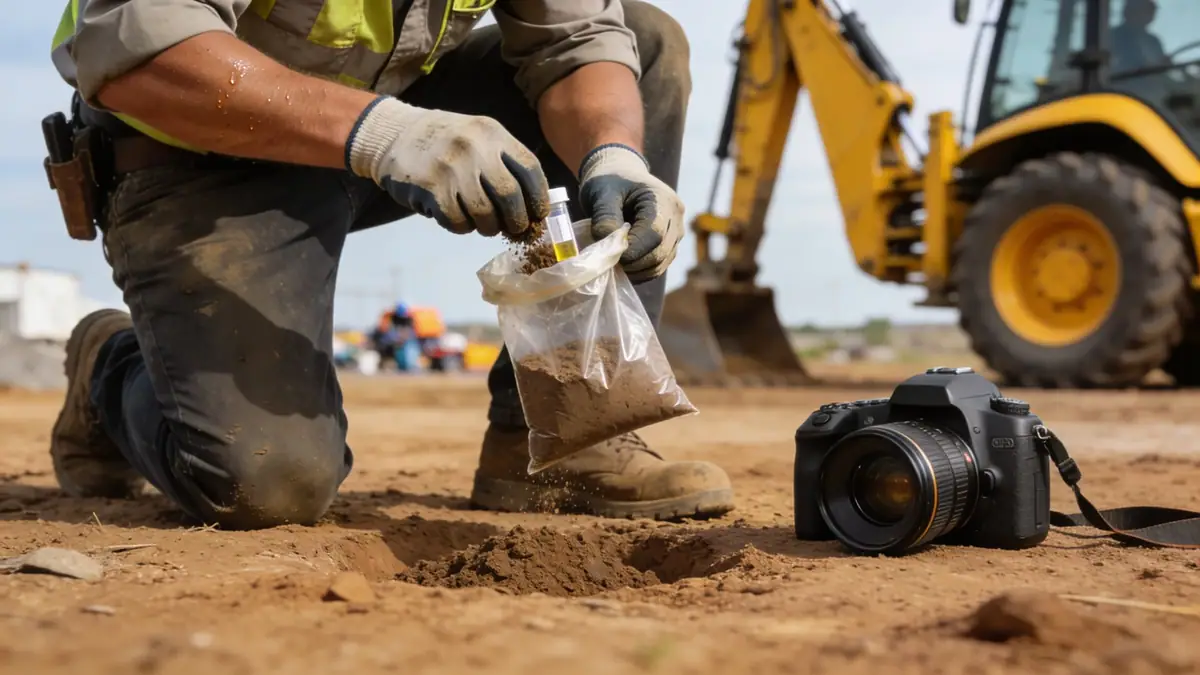
Our methodology for geotechnical engineering in Winston Salem follows a systematic approach: first, we review existing geologic maps and project requirements. We then conduct field investigations, including spt boring per ASTM D1586 with sampling intervals of 1.5 m to characterize soil strata. Standard penetration tests yield N60 values that correlate with soil strength and density. Samples are transported to our soil mechanics laboratory for index properties, strength, and consolidation tests. Data analysis incorporates local correlations for bearing capacity and settlement, referencing ASCE 7 for seismic considerations. Final reports detail subsurface conditions, foundation recommendations, and construction considerations specific to Winston Salem.
Reference Technical Parameters
| Parameter | Reference Value |
|---|---|
| Predominant soil type | Saprolite and residual clayey sands (SM, SC, ML) |
| Maximum seismic acceleration (PGA) | 0.08g (ASCE 7-16, Site Class C) |
| Typical groundwater level | 10–30 ft below grade |
| Bedrock depth | Variable; 20–60 ft to competent gneiss/schist |
| Typical N60 range | 4–20 in saprolite; 10–50 in weathered rock |
Local Considerations — Winston Salem
Winston Salem's geology presents unique challenges: residual soils often exhibit high plasticity and shrink-swell potential, requiring careful moisture control. Groundwater fluctuations during wet seasons can impact excavation stability. Seismic considerations per ASCE 7 are minimal, but slope stability analyses are critical in areas with steep grades, such as near Salem Lake. Our team also references local building codes (North Carolina Building Code) for foundation design. For broader expertise, our geotechnical engineering en Atlanta office provides regional support and knowledge of similar Piedmont conditions.
Request a Quote
Our team reviews your project and issues an initial report at no cost.
Or write us directly at [email protected]
Services in Winston Salem
Applicable Standards
- ASTM D1586 (Standard Penetration Test)
- ASCE 7-16 (Minimum Design Loads for Buildings)
- North Carolina Building Code (IBC-based)
- ASTM D2487 (Unified Soil Classification System)
- ASTM D3080 (Direct Shear Test)
Frequently Asked Questions
What soil types are commonly found in Winston Salem?
The region is underlain by Piedmont residuum, primarily clayey sands and silts (SM, SC, ML) derived from weathered gneiss and schist. Deeper layers transition to saprolite and partially weathered rock. High-plasticity clays (CH) can occur in localized deposits.
Is seismic design required for projects in Winston Salem?
Yes, per ASCE 7-16, Winston Salem falls in Seismic Design Category B with a maximum PGA of 0.08g. While seismic loads are low, site-specific response spectra may be required for critical structures. Our team evaluates soil amplification effects and liquefaction potential.
Are geotechnical studies mandatory for construction in Winston Salem?
The North Carolina Building Code requires a geotechnical investigation for most commercial and multi-family projects. Residential projects typically require a soil report for foundation design, especially in areas with expansive soils or steep slopes. Our firm provides compliant reports accepted by local authorities.