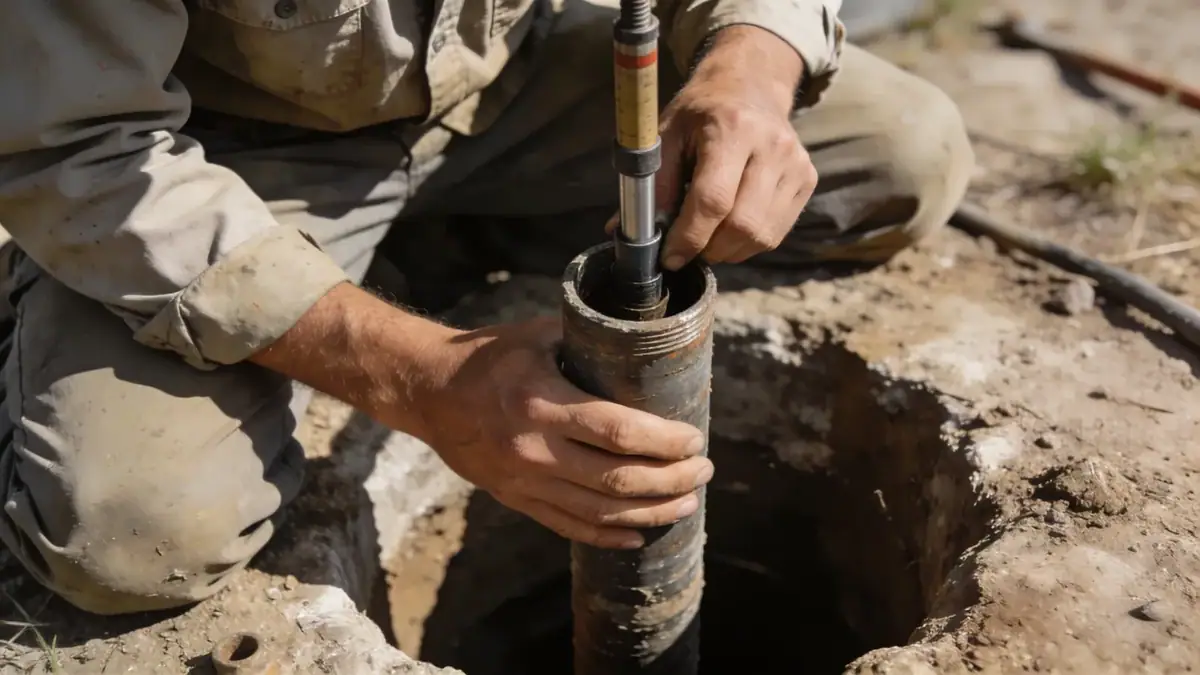
Methodology
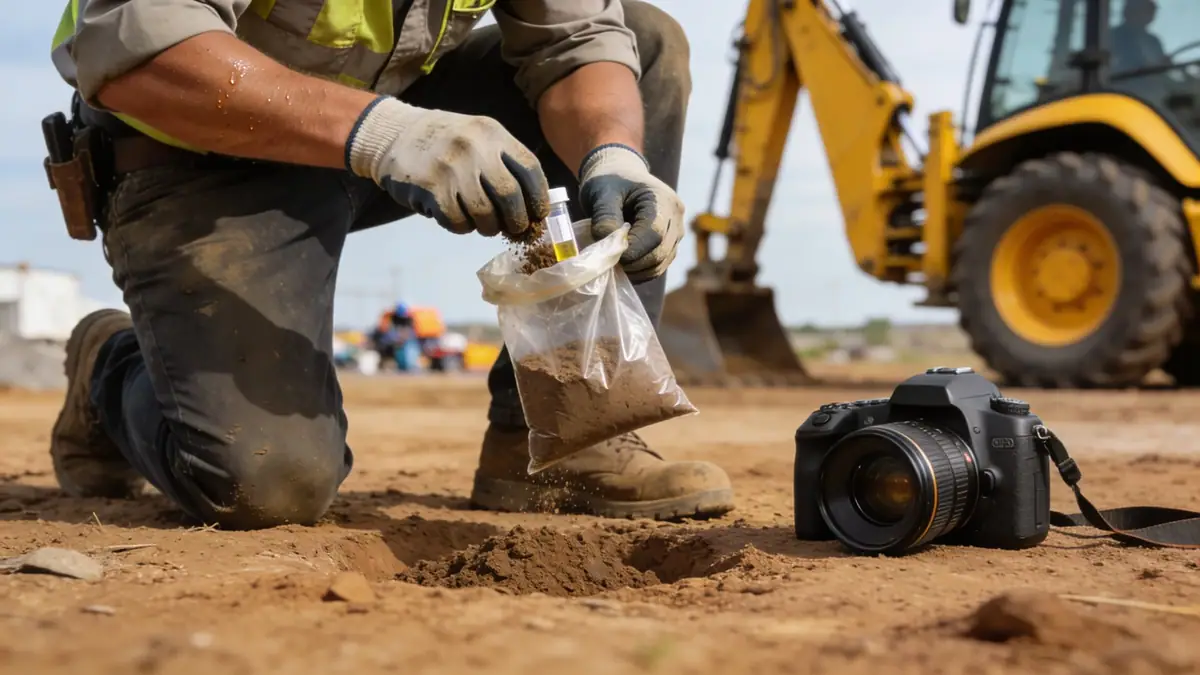
Our approach to geotechnical engineering in Montgomery Alabama begins with a comprehensive review of existing geologic maps and historical data. We then perform subsurface explorations, including spt boring in accordance with ASTM D1586, to characterize soil stratigraphy and strength. In the laboratory, we conduct classification tests (ASTM D2487) and strength tests to determine engineering properties. Based on these results, we develop site-specific recommendations for foundations, earthwork, and drainage. Our methodology ensures that every project in Montgomery Alabama benefits from sound geotechnical data and analysis.
Reference Technical Parameters
| Parameter | Reference Value |
|---|---|
| Predominant soil type | Sandy clay and clayey sand (SC/CL) |
| Maximum seismic acceleration (PGA) | 0.10g (ASCE 7-16) |
| Typical groundwater level | 3–6 m below surface |
| Bedrock depth | 15–30 m (Paleozoic limestone) |
| Typical N60 range (SPT) | 4–15 blows/ft in upper clays |
Local Considerations — Montgomery Alabama
Montgomery Alabama lies within the Gulf Coastal Plain, underlain by unconsolidated sediments of the Eocene Claiborne Group. The geology transitions from alluvial sands and silts near the Alabama River to residual clays and weathered limestone on the uplands. Seismic hazard is low, but ASCE 7-16 maps indicate a peak ground acceleration of 0.10g, requiring attention for critical structures. For projects in the downtown area, groundwater is shallow (3–6 m), necessitating dewatering considerations. In contrast, the eastern suburbs like East Montgomery feature deeper water tables and more competent clay soils. Our team has extensive experience in navigating these conditions, complementing our geotechnical engineering en Atlanta operations.
Request a Quote
Our team reviews your project and issues an initial report at no cost.
Or write us directly at [email protected]
Services in Montgomery Alabama
Applicable Standards
- ASTM D1586 (Standard Penetration Test)
- ASCE 7-16 (Minimum Design Loads for Buildings and Other Structures)
- ASTM D2487 (Classification of Soils for Engineering Purposes)
- Alabama Building Code (IBC 2018 based)
Frequently Asked Questions
What types of soil are commonly found in Montgomery Alabama?
The predominant soils are sandy clays and clayey sands of the Claiborne Group, with alluvial deposits along the Alabama River. These soils exhibit moderate plasticity and variable strength, requiring site-specific testing for foundation design.
Is seismic analysis required for building foundations in Montgomery Alabama?
Yes, the Alabama Building Code adopts ASCE 7-16, which classifies Montgomery in a low seismic zone (PGA 0.10g). Seismic analysis is required for risk category II structures and above, and soil site class must be determined per ASCE 7 for proper design.
Are geotechnical studies mandatory for construction in Montgomery Alabama?
While not always legally mandatory for all projects, most local building departments require a geotechnical report for commercial, industrial, and multi-family residential construction. Single-family homes often rely on prescriptive foundation designs, but a site investigation is recommended to avoid costly issues.