Methodology
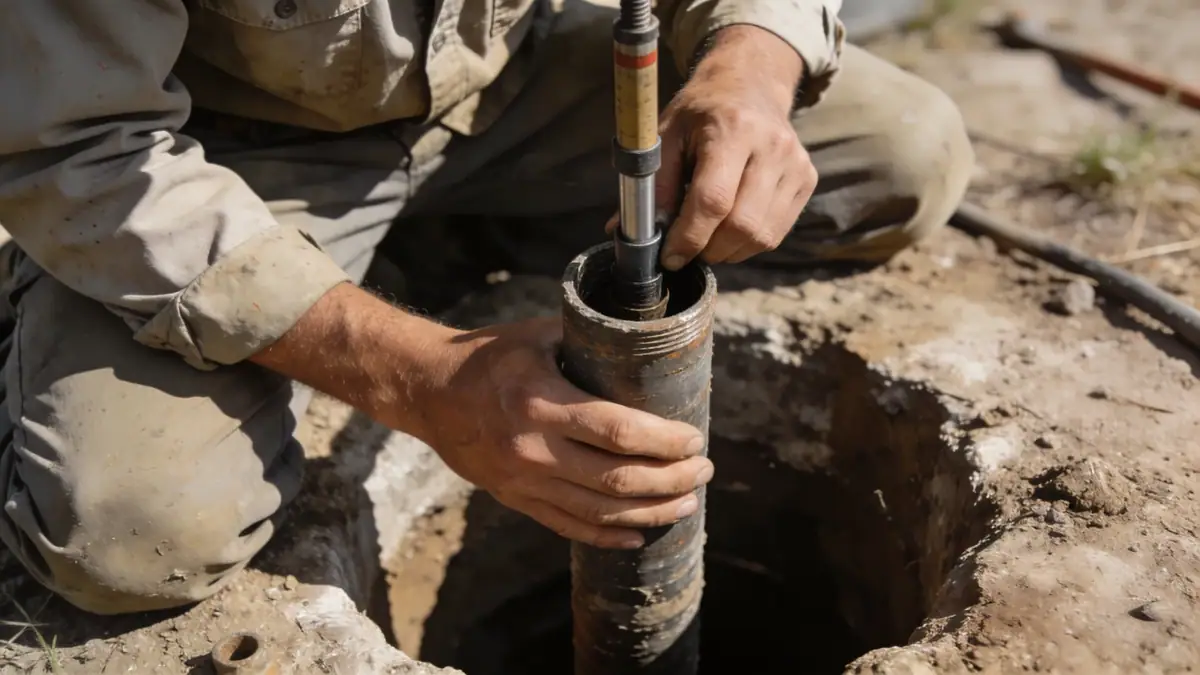
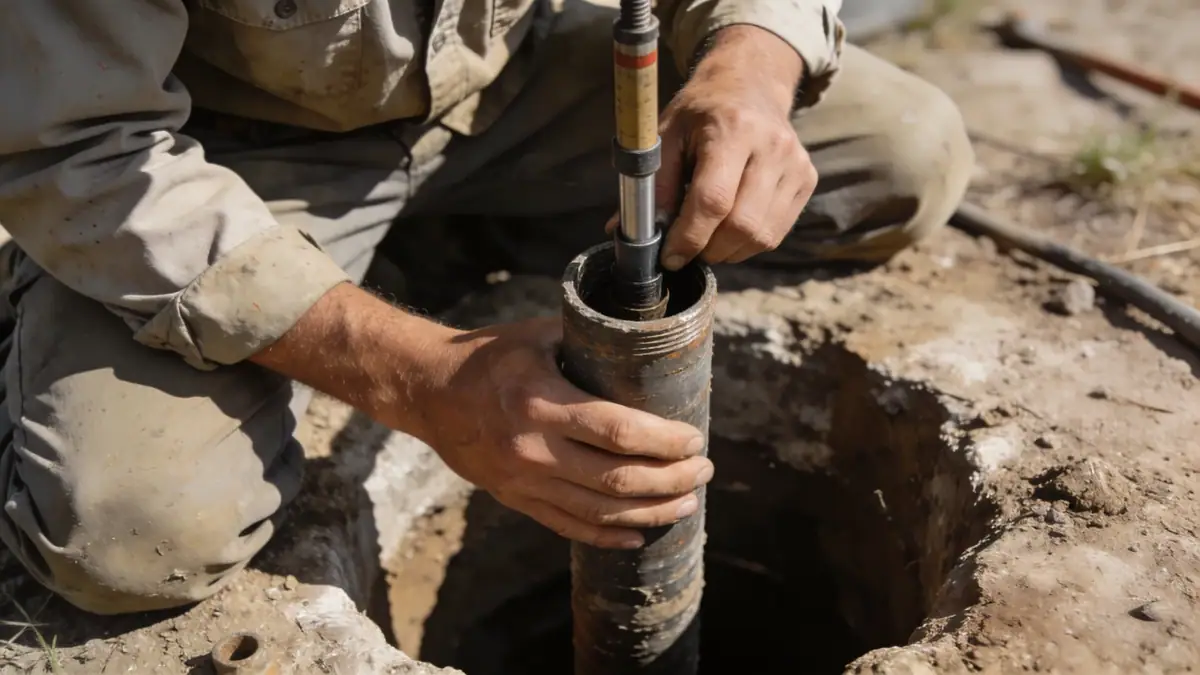
Our approach to geotechnical engineering in Memphis begins with a thorough review of existing geologic maps and seismic hazard data. We then conduct field investigations using methods such as spt boring to characterize soil strata and measure penetration resistance. Laboratory testing follows, including grain size analysis and Atterberg limits, to classify soils and assess engineering properties. All work adheres to ASTM D1586 for SPT and ASTM D2487 for soil classification. Our team integrates these data into numerical models to evaluate bearing capacity, settlement, and slope stability, providing clients with actionable recommendations for foundation design and earthwork construction.
Reference Technical Parameters
| Parameter | Reference Value |
|---|---|
| Predominant soil type | Alluvial sand, silt, and clay |
| Maximum seismic acceleration (PGA) | 0.2–0.4 g (ASCE 7-22) |
| Typical groundwater level | 3–6 m below surface |
| Bedrock depth | 30–60 m (Paleozoic limestone) |
| Typical N60 range | 5–30 blows/0.3 m |
Local Considerations — Memphis
Memphis’ geology is dominated by Quaternary alluvium deposited by the Mississippi River, with interbedded sands and clays that vary laterally. The water table is shallow, often requiring dewatering for excavations. Seismic considerations are critical due to the New Madrid fault zone, with peak ground accelerations up to 0.4 g per ASCE 7-22. Liquefaction susceptibility is high in loose sands, particularly near the riverfront. In contrast, the eastern loess bluffs present different challenges, including collapsible soils and slope instability. Our team has addressed these conditions in numerous projects, from deep foundations for bridges to earth retention for urban developments. For broader regional context, refer to our geotechnical engineering en Atlanta page, which discusses similar alluvial environments. Additionally, our soil mechanics laboratory provides specialized testing for Memphis soils.
Request a Quote
Our team reviews your project and issues an initial report at no cost.
Or write us directly at [email protected]
Services in Memphis
Applicable Standards
- ASTM D1586
- ASTM D2487
- ASCE 7-22
- Memphis and Shelby County Unified Development Code
- International Building Code (IBC) 2021
Frequently Asked Questions
What are the typical soil conditions in Memphis for foundation design?
Memphis soils are predominantly alluvial sands, silts, and clays, often with shallow groundwater. Bearing capacities vary widely, with N60 values typically between 5 and 30. Deep foundations may be required for heavy structures, while spread footings are common for lighter loads after soil improvement.
How does seismic activity in the New Madrid Seismic Zone affect geotechnical engineering in Memphis?
The zone poses moderate to high seismic risk, with PGA up to 0.4 g. Geotechnical studies must evaluate liquefaction potential, dynamic settlement, and slope stability. ASCE 7 provides seismic design criteria, and site-specific response analyses are often recommended for critical facilities.
Are geotechnical investigations mandatory for construction in Memphis?
Yes, most building permits require a geotechnical report per the Memphis and Shelby County Unified Development Code. The report must address soil bearing capacity, groundwater, and seismic hazards, and be prepared by a licensed professional engineer.