Methodology
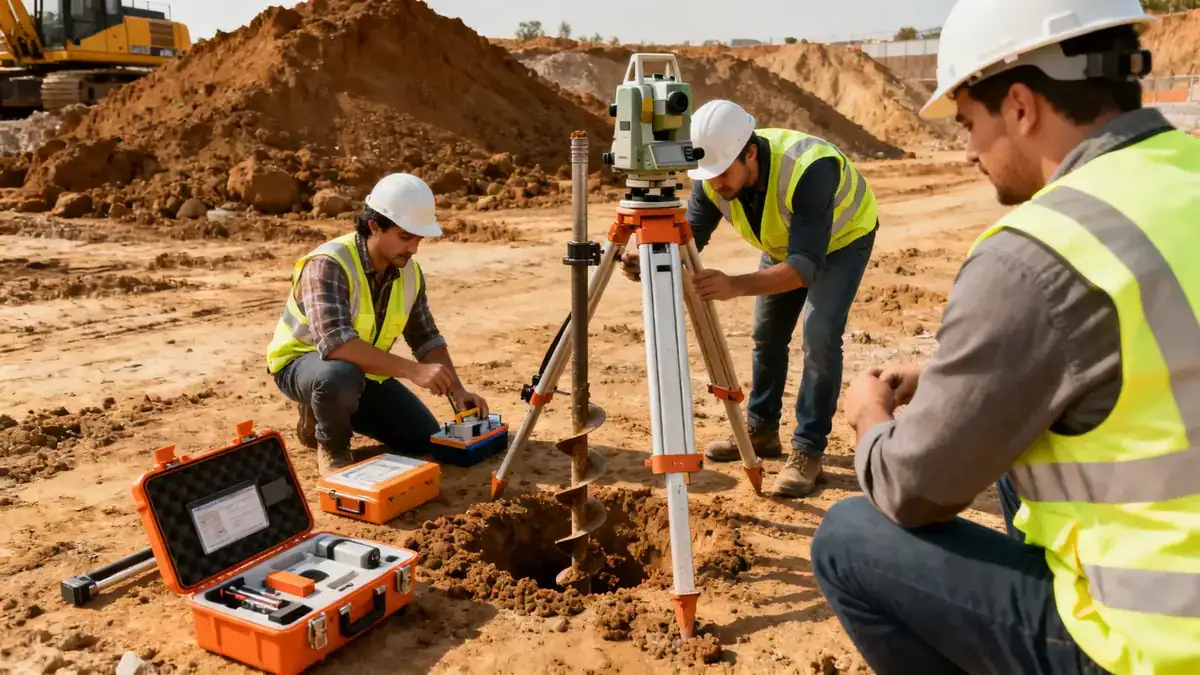
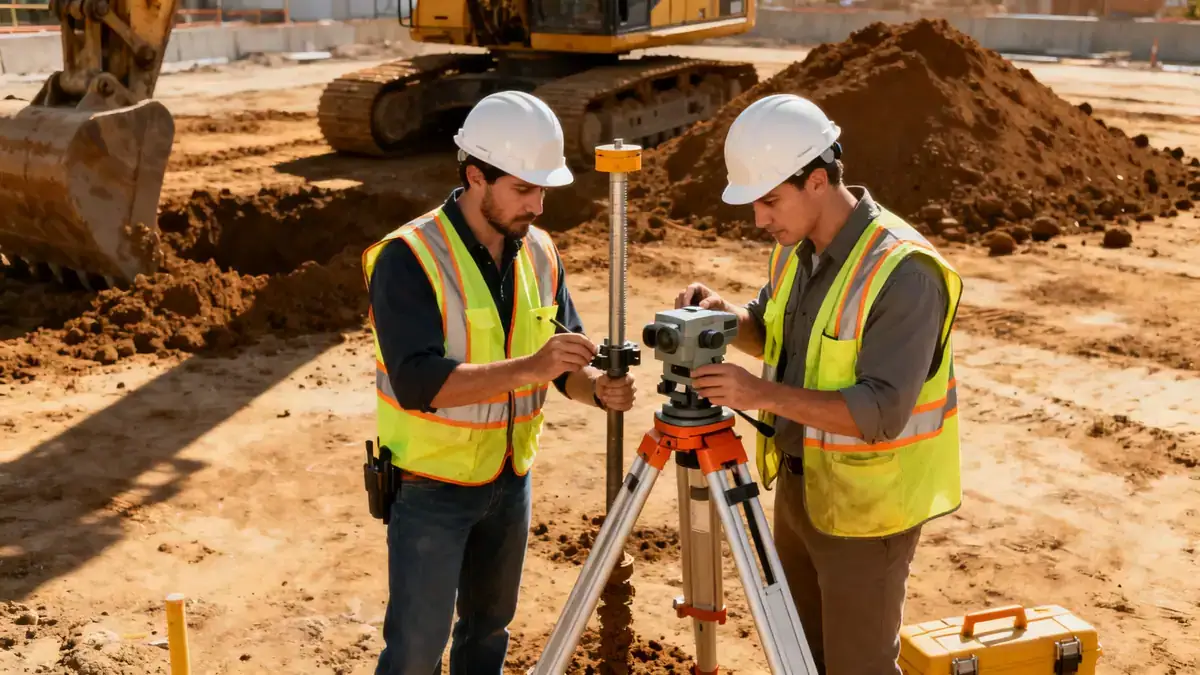
Our methodology for geotechnical engineering in Lexington integrates comprehensive site reconnaissance, subsurface exploration, and advanced laboratory testing. We perform standard penetration tests (SPT) per ASTM D1586 to characterize soil stratigraphy and strength, with typical sampling intervals of 1.0 to 1.5 meters. In karst-prone areas, we increase boring density to identify solution features. Our SPT boring program is tailored to project scale, with depths ranging from 8 to 15 meters for residential structures and up to 30 meters for industrial facilities. Field data is combined with laboratory results—including Atterberg limits, grain size distribution, and triaxial shear tests—to develop site-specific parameters for foundation and earthwork design.
Reference Technical Parameters
| Parameter | Reference Value |
|---|---|
| Predominant Soil Type | Clayey silts and clays (CL, CH) over limestone bedrock |
| Maximum Seismic Acceleration (PGA) | 0.15g to 0.25g (ASCE 7 Site Class C/D) |
| Typical Groundwater Level | 3 to 8 meters below grade, variable seasonally |
| Bedrock Depth | 5 to 20 meters, with irregular karstic surface |
| Typical N60 Range | 4 to 15 blows/ft in clay, 20 to 50+ in weathered rock |
Local Considerations — Lexington
Lexington's geology is dominated by the Lexington Limestone formation, characterized by karst features such as sinkholes and solution cavities. Our firm routinely conducts detailed karst assessments, including probe drilling and dye tracing, to mitigate foundation risks. The city's soil profile typically consists of residual clayey soils with high plasticity, which undergo significant volume changes with moisture variation. Seismic site classification per ASCE 7 often yields Site Class C or D due to soil stiffness. In older neighborhoods like Chevy Chase, shallow groundwater and fill materials require careful drainage and compaction control. For deep foundations, we coordinate with local contractors to address limestone pinnacles. Our regional expertise, anchored by our geotechnical engineering in Atlanta hub, ensures consistent standards across projects.
Request a Quote
Our team reviews your project and issues an initial report at no cost.
Or write us directly at [email protected]
Services in Lexington
Applicable Standards
- ASTM D1586 (Standard Penetration Test)
- ASCE 7 (Minimum Design Loads and Associated Criteria for Buildings and Other Structures)
- ASTM D2487 (Unified Soil Classification System)
- Kentucky Building Code (KBC) – Seismic Provisions
Frequently Asked Questions
What are the typical soil conditions encountered in Lexington?
Lexington soils are predominantly residual clays derived from limestone weathering, often classified as CL or CH. These soils are highly plastic and prone to volume changes. Bedrock is generally limestone, but depth and integrity vary due to karst dissolution, requiring careful subsurface investigation.
How does the Kentucky Building Code address seismic design in Lexington?
The Kentucky Building Code adopts ASCE 7 seismic provisions. Lexington is in Seismic Design Category B or C, depending on site soil conditions. Peak ground accelerations range from 0.15g to 0.25g, and site amplification factors are applied based on soil stiffness determined from SPT N-values.
Are geotechnical studies mandatory for residential projects in Lexington?
While not always mandatory for single-family homes, geotechnical studies are highly recommended, especially in areas with known karst activity or expansive soils. For commercial and multi-family projects, a geotechnical report is typically required by the building official to ensure foundation safety and compliance with codes.