Methodology
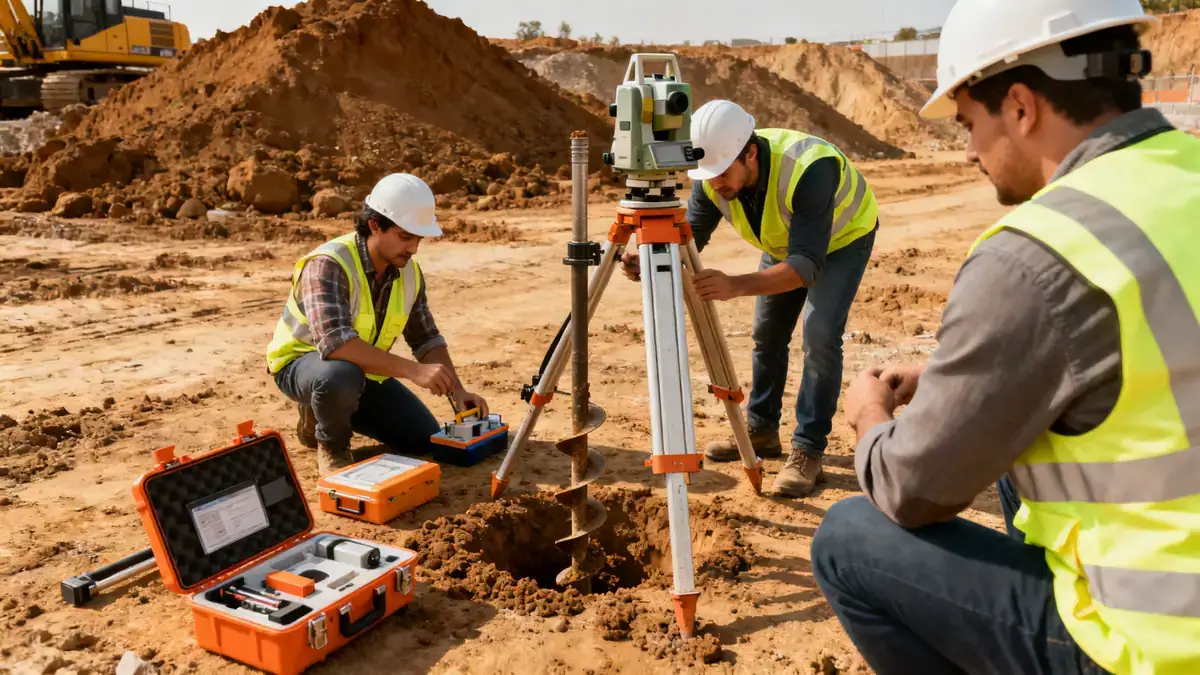
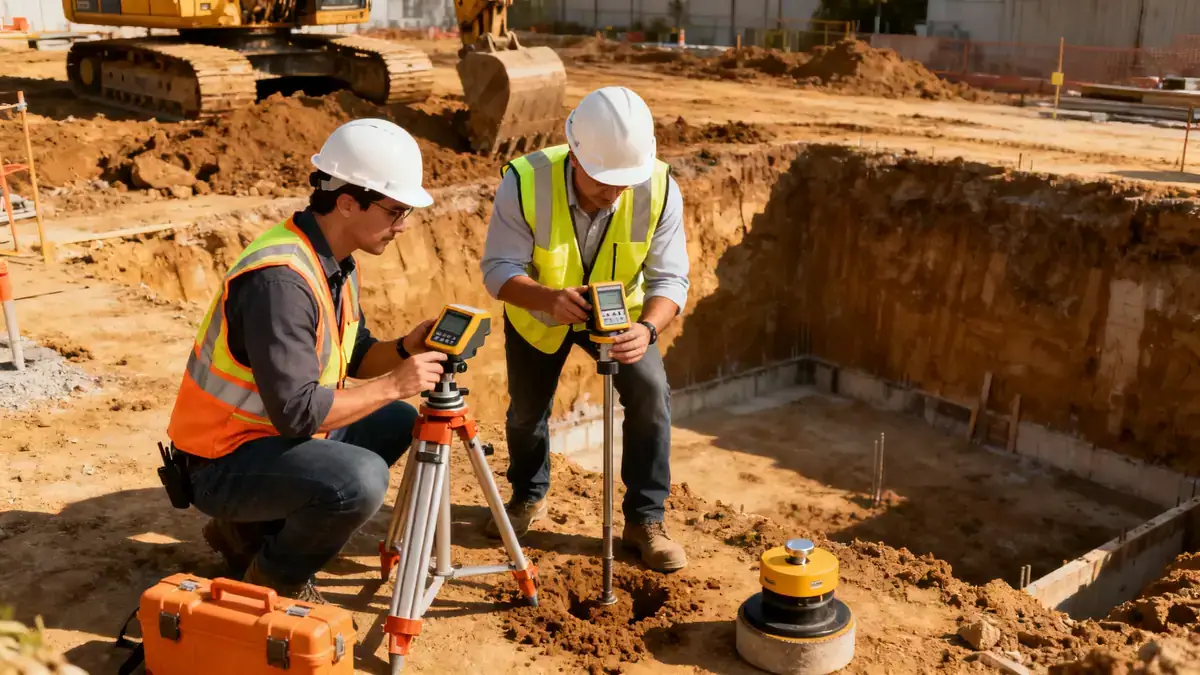
Our methodology for geotechnical engineering in Jacksonville integrates standard penetration testing (SPT) as per ASTM D1586, with sampling intervals typically every 1.5 m to depths of 15 to 30 m depending on project scale. We conduct spt boring to characterize soil strata, measure groundwater levels, and obtain undisturbed samples for laboratory testing. Field data are complemented by geophysical surveys and cone penetration testing where needed. This systematic approach ensures reliable parameter estimation for foundation design, slope stability analysis, and earthwork recommendations, tailored to Jacksonville's coastal geology.
Reference Technical Parameters
| Parameter | Reference Value |
|---|---|
| Predominant soil type | Sand and silty sand (SP, SM) with clay layers |
| Maximum seismic acceleration (PGA) | 0.05g to 0.10g (ASCE 7-16, Site Class D) |
| Typical groundwater level | 1.5 to 3.0 m below ground surface |
| Bedrock depth | >30 m (deep sedimentary basin) |
| Typical N60 range (SPT) | 5 to 30 blows/ft (loose to medium dense sand) |
Local Considerations — Jacksonville
Jacksonville's geology is dominated by Quaternary sediments of the Coastal Plain, with loose sands, silts, and occasional clay lenses. The shallow water table (1.5–3 m) requires dewatering considerations for excavations. Seismic hazard is low to moderate, with PGA values around 0.05–0.10g per ASCE 7, but liquefaction potential exists in loose saturated sands. Our soil mechanics laboratory provides site-specific data for foundation design. Downtown and riverfront areas often encounter buried organic layers, while suburban sites may have more uniform sands. Typical challenges include differential settlement in variable fills and corrosion potential due to acidic groundwater. For comparison, our geotechnical engineering en Atlanta team addresses Piedmont residual soils with different characteristics.
Request a Quote
Our team reviews your project and issues an initial report at no cost.
Or write us directly at [email protected]
Services in Jacksonville
Applicable Standards
- ASTM D1586 (Standard Test Method for SPT)
- ASCE 7-16 (Minimum Design Loads for Buildings)
- Florida Building Code (FBC) 2023
- ASTM D2487 (Soil Classification)
Frequently Asked Questions
What are the typical soil conditions in Jacksonville?
Jacksonville soils are primarily coastal plain sediments: loose to medium dense sands, silty sands, and occasional clay layers. Groundwater is shallow, typically 1.5 to 3 m deep. These conditions require careful evaluation for foundation design and excavation dewatering.
Is seismic analysis required for geotechnical engineering in Jacksonville?
Yes, per ASCE 7 and the Florida Building Code, seismic analysis is required. Jacksonville has low to moderate seismicity with PGA of 0.05–0.10g. Site-specific studies assess liquefaction potential and soil amplification for design response spectra.
Are geotechnical studies mandatory for construction in Jacksonville?
Yes, most local jurisdictions require a geotechnical report for building permits, especially for commercial or multi-story structures. The report must address soil bearing capacity, settlement, groundwater, and seismic site classification per code.