Methodology
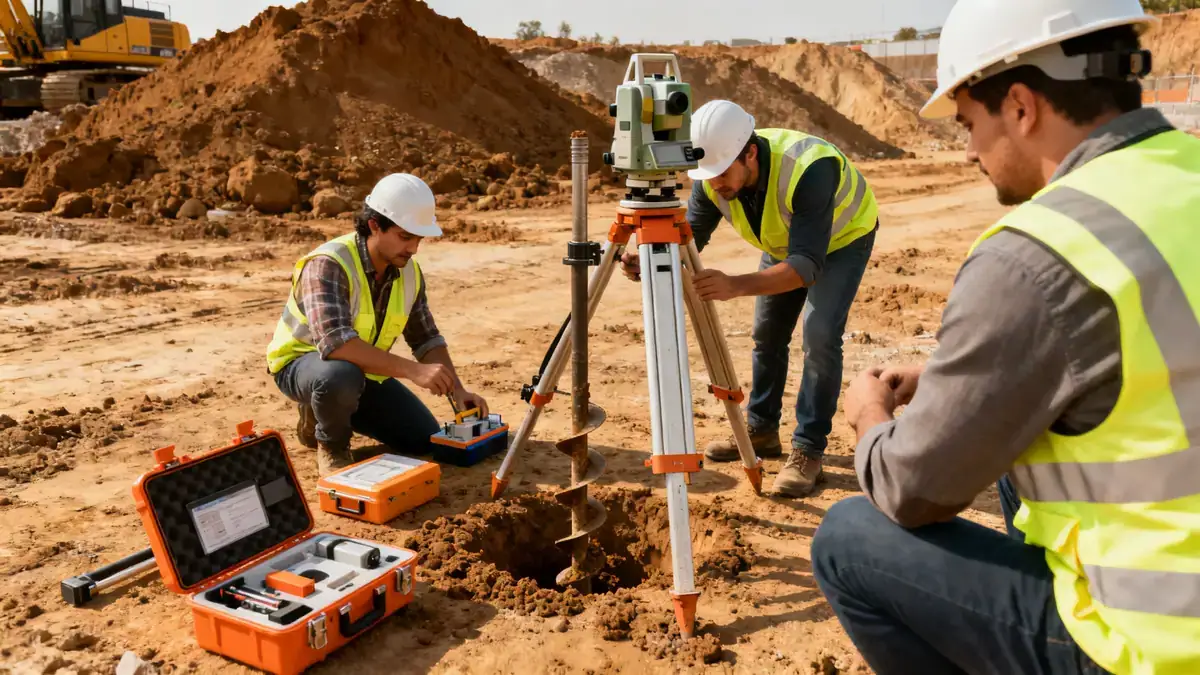
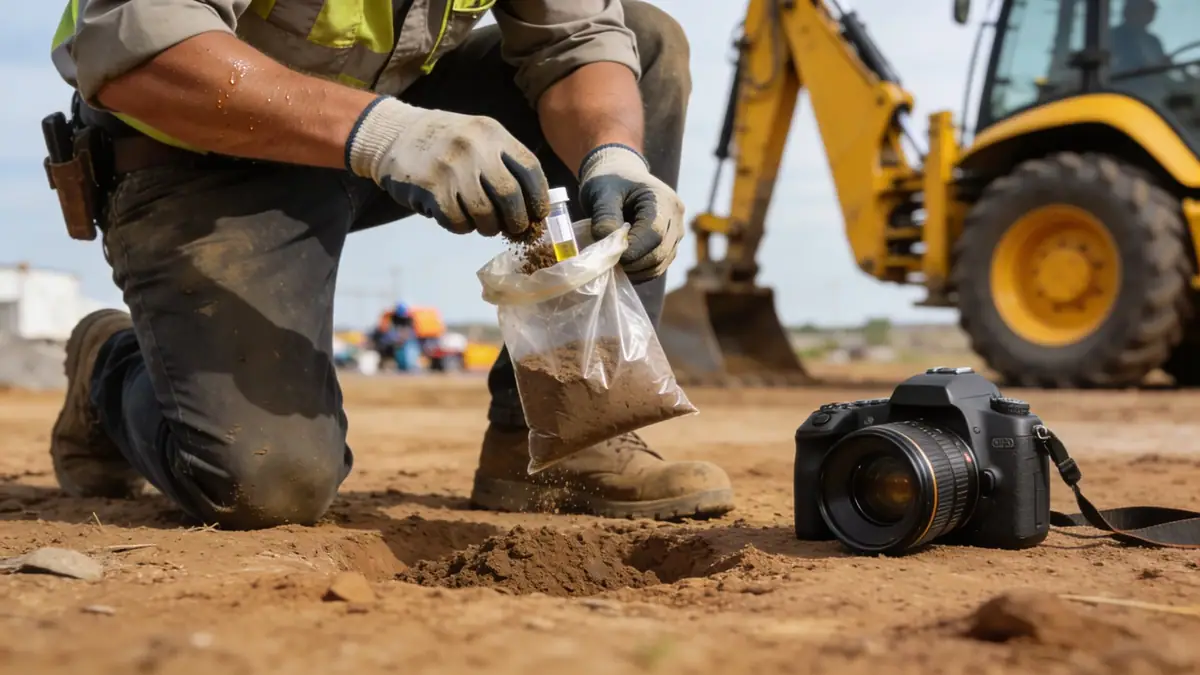
Our approach to geotechnical engineering in Huntsville begins with a thorough review of existing geological data and site history. We conduct subsurface investigations using methods such as spt boring to obtain soil samples and measure penetration resistance. Standard penetration tests (SPT) are performed per ASTM D1586, with sampling intervals typically every 1.5 m. Laboratory testing follows on representative samples to classify soils and determine engineering properties. This data informs our analysis of bearing capacity, settlement, and seismic hazards, enabling us to develop safe and cost-effective foundation designs for Huntsville's diverse projects.
Reference Technical Parameters
| Parameter | Reference Value |
|---|---|
| Predominant soil type | Clay and claystone (weathered limestone residuum) |
| Maximum seismic acceleration (PGA) | 0.15g (ASCE 7-16 Site Class C) |
| Typical groundwater level | 3–8 m below ground surface |
| Bedrock depth | 15–30 m (limestone/shale) |
| Typical N60 range (SPT) | 8–25 blows/0.3 m in clay; >50 in weathered rock |
Local Considerations — Huntsville
Huntsville's geology is dominated by residual soils derived from limestone and shale of the Tennessee Valley. These soils often exhibit high plasticity and shrink-swell potential, requiring careful moisture control during construction. Groundwater levels fluctuate seasonally, impacting excavations and foundation drainage. Seismic design follows ASCE 7, with peak ground accelerations of 0.15g for typical sites. The city's growth in aerospace and manufacturing has increased demand for deep foundations on weathered bedrock. Our team integrates these local factors into every project, ensuring robust geotechnical solutions. For broader regional expertise, see geotechnical engineering in Atlanta.
Request a Quote
Our team reviews your project and issues an initial report at no cost.
Or write us directly at [email protected]
Services in Huntsville
Applicable Standards
- ASTM D1586 (Standard Penetration Test)
- ASCE 7-16 (Minimum Design Loads for Buildings and Other Structures)
- IBC 2021 (International Building Code)
- Alabama State Building Code
Frequently Asked Questions
What types of soil are commonly found in Huntsville?
Huntsville's soils are primarily residual clays and claystones derived from weathered limestone and shale. These soils often have high plasticity and can be expansive, requiring careful evaluation for foundation design. Deeper layers may contain weathered rock or limestone bedrock.
Does Huntsville have seismic requirements for geotechnical design?
Yes, Huntsville is in Seismic Design Category B per ASCE 7-16, with a maximum considered earthquake (MCE) peak ground acceleration of 0.15g for Site Class C. Geotechnical reports must address liquefaction potential and site amplification effects for critical structures.
Are geotechnical studies mandatory for construction in Huntsville?
While not always legally required for all projects, most commercial and large residential developments in Huntsville mandate a geotechnical investigation as part of the building permit process. Lenders and insurers also often require such studies to mitigate risk.