Methodology
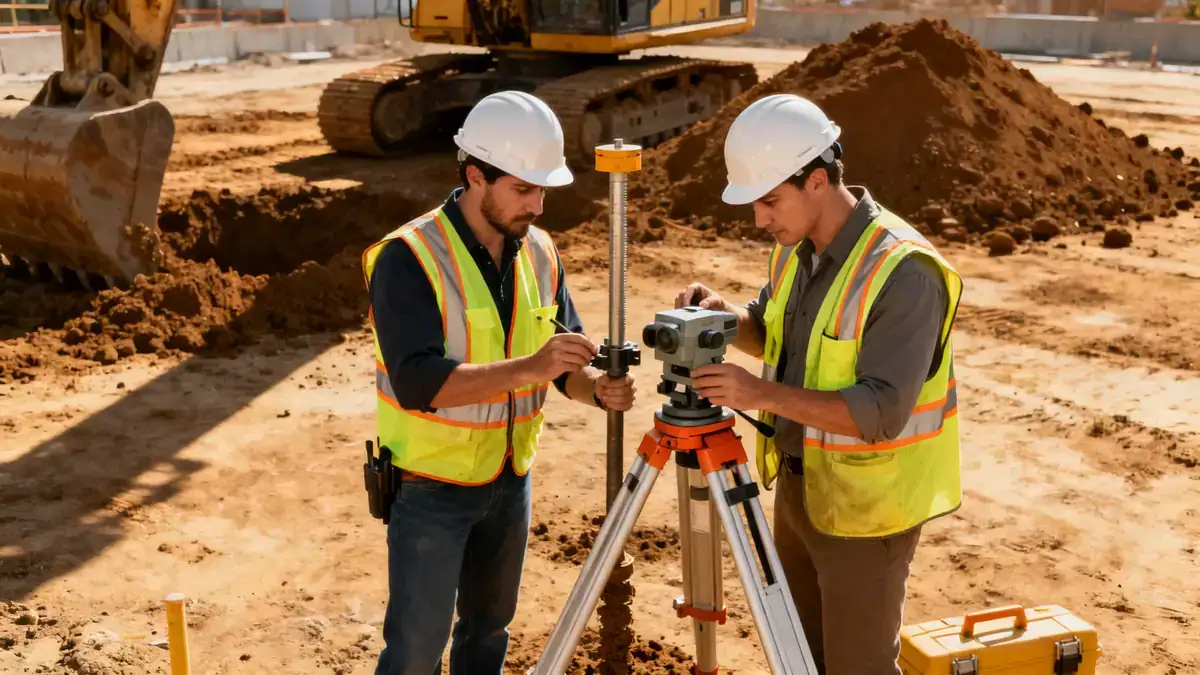
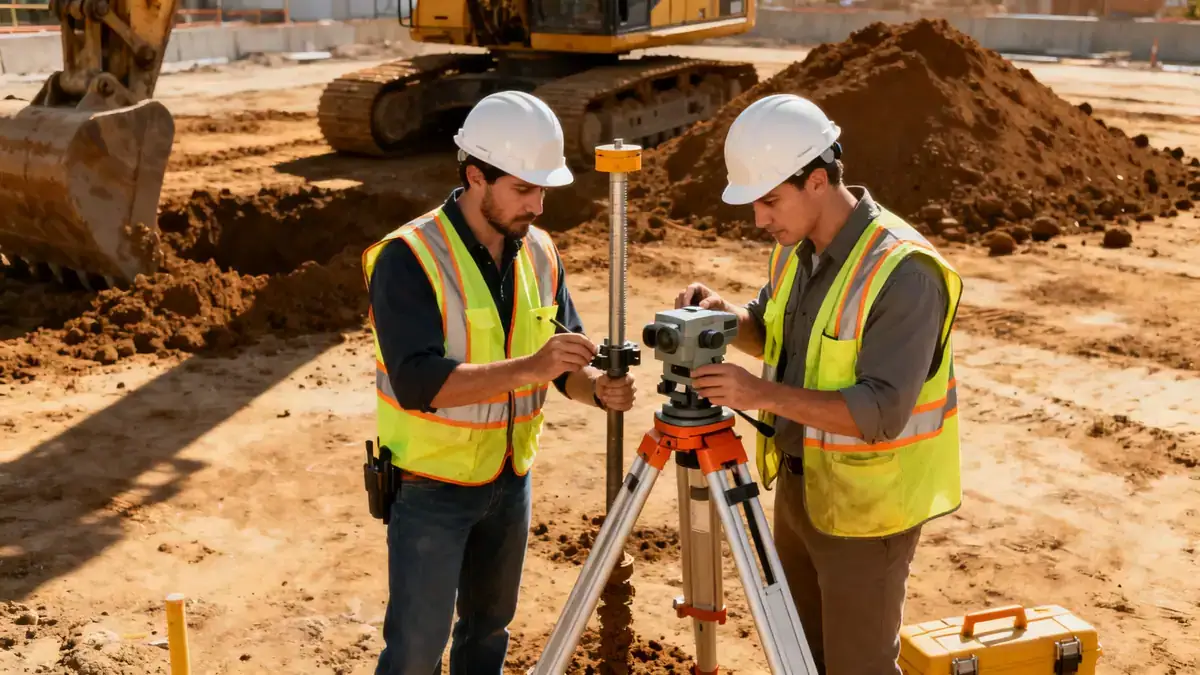
Our approach to geotechnical engineering in Greensboro begins with a thorough review of existing geological maps and nearby project data. We then execute a site-specific investigation program, typically starting with SPT boring to characterize soil strata and collect samples for laboratory testing. Field methods follow ASTM D1586 for standard penetration tests, with borings advanced to depths of 10–20 m depending on structure loads. Soil samples are subsequently analyzed in our soil mechanics laboratory for index properties, strength, and consolidation parameters. This data forms the basis for foundation design recommendations and construction oversight.
Reference Technical Parameters
| Parameter | Reference Value |
|---|---|
| Predominant soil type | Residual silty sands and clays (Piedmont) |
| Maximum seismic acceleration (PGA) | 0.10–0.15 g (ASCE 7) |
| Typical groundwater level | 3–8 m below ground surface |
| Bedrock depth | 5–20 m, highly variable |
| Typical N60 range | 10–30 blows/0.3 m in competent strata |
Local Considerations — Greensboro
Greensboro lies within the Piedmont physiographic province, underlain by metamorphic and igneous rocks. Residual soils derived from these rocks often exhibit high variability, with zones of soft clay or loose sand near the surface. Groundwater is typically perched in shallow layers, requiring careful dewatering during excavation. Seismic design per ASCE 7 uses Site Class C or D, with PGA values of 0.10–0.15 g. Our team has extensive experience with these conditions, including projects near downtown and in suburban developments. For regional context, we collaborate with our geotechnical engineering team in Atlanta on complex multi-site assignments.
Request a Quote
Our team reviews your project and issues an initial report at no cost.
Or write us directly at [email protected]
Services in Greensboro
Applicable Standards
- ASTM D1586
- ASCE 7
- North Carolina Building Code (IBC-based)
- ASTM D2487 (Unified Soil Classification)
Frequently Asked Questions
What are the typical soil conditions encountered in Greensboro?
Greensboro soils are predominantly Piedmont residual silty sands and clays, underlain by weathered rock at depths of 5–20 m. Local variability is common, with pockets of soft clay or loose sand requiring site-specific investigation.
Does Greensboro require seismic design for geotechnical engineering?
Yes, the North Carolina Building Code adopts ASCE 7 seismic provisions. For Greensboro, the mapped spectral acceleration (Ss) is about 0.2–0.3 g, resulting in Site Class C or D and requiring consideration of liquefaction and dynamic settlement.
Are geotechnical studies mandatory for residential construction in Greensboro?
While not always required for single-family homes, most municipalities in Guilford County recommend or require a geotechnical study for new subdivisions and commercial buildings. Lenders may also request a soil report for foundation warranty purposes.