Methodology
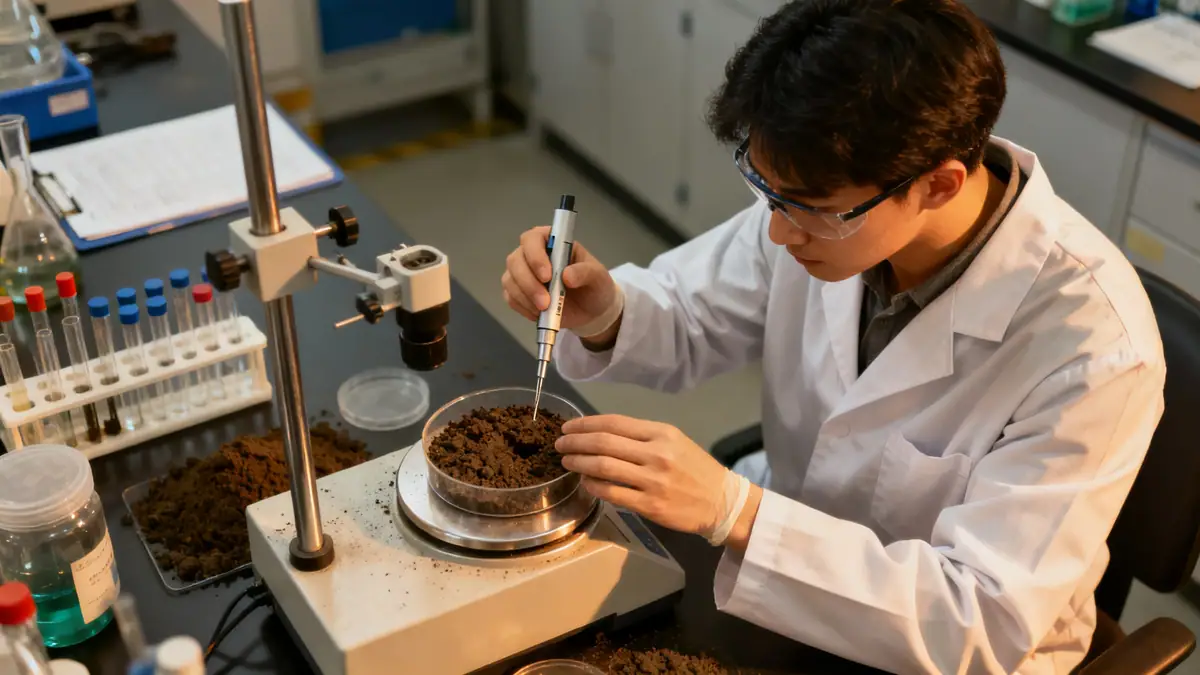
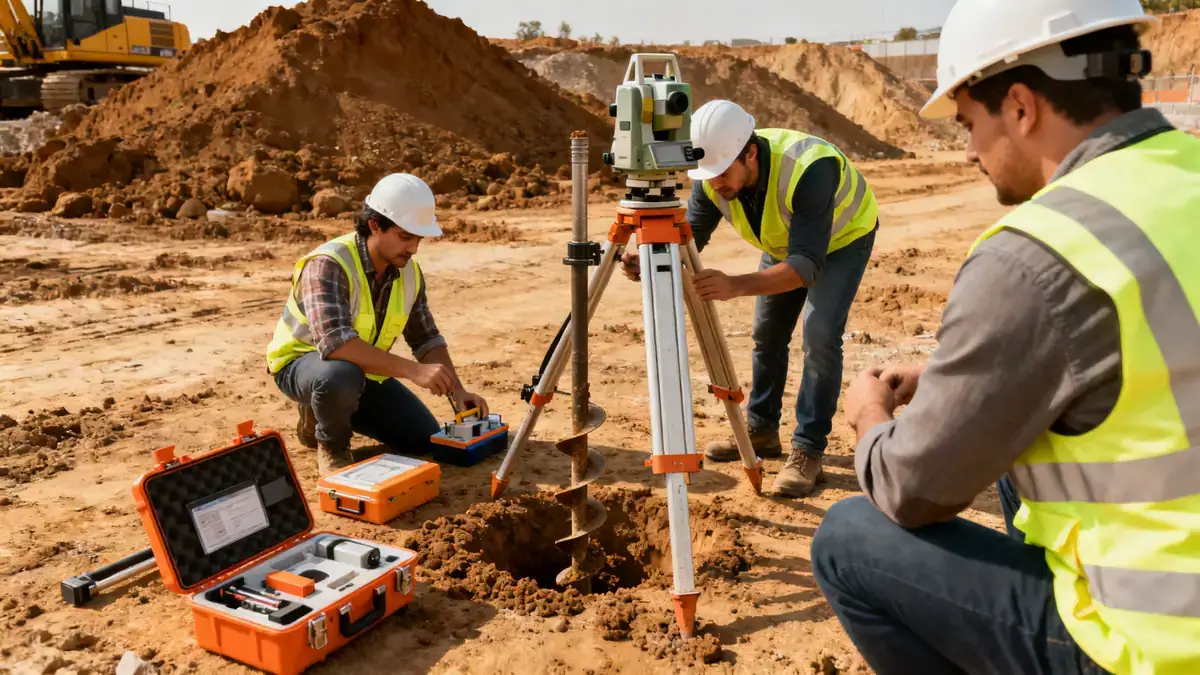
Our methodology for projects in Columbia South Carolina follows a systematic process: (1) review of existing geological maps and borehole logs, (2) field exploration including spt boring at strategic locations, (3) laboratory testing of soil samples for index and strength properties, (4) analysis of groundwater conditions and seismic hazards per ASCE 7, and (5) preparation of a detailed geotechnical report with design parameters. We adhere to ASTM D1586 for SPT procedures and use continuous sampling techniques to capture soil variability. Data is interpreted using established correlations and local experience to deliver practical recommendations.
Reference Technical Parameters
| Parameter | Reference Value |
|---|---|
| Predominant soil type | Sandy clay and clayey sand (SC, CL) |
| Maximum seismic acceleration (PGA) | 0.2 g (ASCE 7-16) |
| Typical groundwater level | 3 to 8 ft below ground surface |
| Bedrock depth | 20 to 60 ft (gneiss/schist) |
| Typical N60 range | 4 to 25 blows/ft in cohesive soils |
Local Considerations — Columbia South Carolina
Columbia's geology is dominated by Piedmont residual soils overlying crystalline bedrock, with localized alluvial deposits along the Congaree River. Expansive clays are common, requiring careful evaluation of swell potential. Seismic hazard is moderate, with peak ground accelerations around 0.2 g per ASCE 7. Groundwater levels fluctuate seasonally, often within 3 to 8 ft of the surface. For high-rise projects downtown, deep foundations may be needed to reach competent strata. Our team leverages this local insight to optimize exploration programs. For broader regional context, see our geotechnical engineering services from Atlanta. Additionally, we apply advanced slope stability analyses for sites near waterways or cut slopes.
Request a Quote
Our team reviews your project and issues an initial report at no cost.
Or write us directly at [email protected]
Services in Columbia South Carolina
Applicable Standards
- ASTM D1586 (Standard Test Method for Standard Penetration Test (SPT))
- ASCE 7-16 (Minimum Design Loads and Associated Criteria for Buildings and Other Structures)
- IBC 2021 (International Building Code)
- SCDHEC (South Carolina Department of Health and Environmental Control) regulations
- ASTM D2487 (Standard Practice for Classification of Soils for Engineering Purposes)
Frequently Asked Questions
What are the typical soil conditions in Columbia South Carolina?
Columbia's soils are predominantly Piedmont residual soils, including sandy clays and clayey sands, often with expansive properties. Alluvial deposits exist near rivers. Bedrock (gneiss/schist) is typically found at depths of 20 to 60 ft.
Is a geotechnical study required for building permits in Columbia?
Yes, most local jurisdictions in South Carolina require a geotechnical report for new construction, particularly for commercial buildings and multi-family residences. The report must address soil bearing capacity, settlement, and seismic design per IBC and ASCE 7.
How is seismic hazard considered in Columbia South Carolina?
Seismic hazard in Columbia is moderate, with a design PGA of about 0.2 g. The site class (typically C or D) is determined from shear wave velocity or N60 values. ASCE 7-16 provides the seismic design criteria for both strength and drift.