Methodology
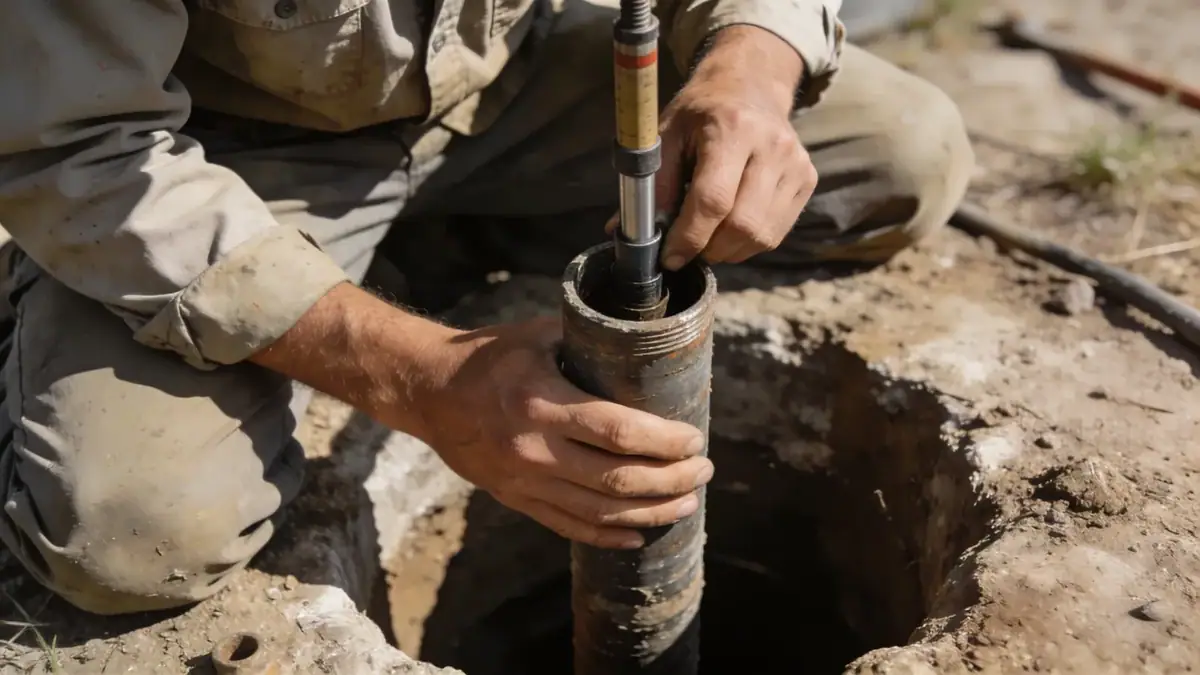
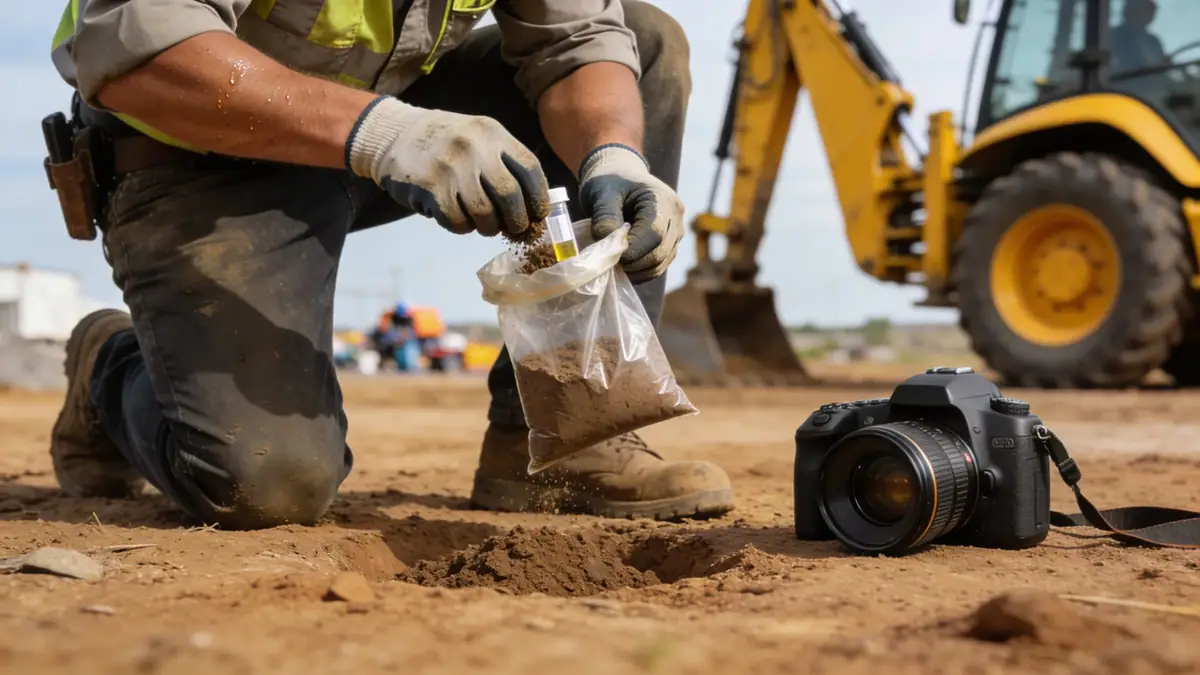
Our methodology in Chattanooga begins with a thorough review of existing geological maps and site history, followed by a subsurface investigation program. We typically perform spt boring at strategic locations to obtain soil samples and measure in-situ resistance. The number and depth of borings are determined based on project size and complexity, with sampling intervals per ASTM D1586. Samples are then transported to our soil mechanics laboratory for classification, strength, and consolidation testing. This data informs our geotechnical recommendations, including foundation design, earthwork specifications, and seismic considerations.
Reference Technical Parameters
| Parameter | Reference Value |
|---|---|
| Predominant soil type | Alluvial deposits (silts, sands, clays) in valleys; residual soils (silty clays, weathered shale) on slopes |
| Maximum seismic acceleration (PGA) | 0.2–0.3 g (depending on site class per ASCE 7-22) |
| Typical groundwater level | 2–5 m below ground surface near rivers; >10 m on higher ground |
| Bedrock depth | 5–15 m in valley areas; 0–3 m on ridges (Chattanooga Shale) |
| Typical N60 range | 4–15 blows/ft in alluvial soils; 20–50 blows/ft in residual soils |
Local Considerations — Chattanooga
Chattanooga lies within the Tennessee Valley and is underlain by the Chattanooga Shale, a Devonian black shale that can pose stability issues for excavations and foundations. The region is in a moderate seismic zone (ASCE 7-22, Site Class C–D), with a PGA of 0.2–0.3 g. Groundwater levels are shallow near the Tennessee River, requiring dewatering considerations for deep excavations. For complex projects requiring advanced analysis, our team often coordinates with our geotechnical engineering en Atlanta office to leverage regional expertise. Expansive soils are common in upland areas, necessitating proper moisture control and foundation design.
Request a Quote
Our team reviews your project and issues an initial report at no cost.
Or write us directly at [email protected]
Services in Chattanooga
Applicable Standards
- ASTM D1586 (Standard Test Method for Standard Penetration Test)
- ASCE 7-22 (Minimum Design Loads for Buildings and Other Structures)
- IBC 2021 (International Building Code)
- Tennessee State Building Code
- ASTM D2487 (Classification of Soils for Engineering Purposes)
Frequently Asked Questions
What are the typical soil types encountered in Chattanooga?
Chattanooga soils vary from alluvial deposits (silts, sands, and clays) in the river valleys to residual soils derived from weathered shale and limestone on the slopes. Expansive clays are present in some upland areas, requiring careful geotechnical evaluation.
Is a geotechnical study required for residential construction in Chattanooga?
While not always mandatory for single-family homes, most local building departments recommend or require a geotechnical report for new foundations, especially in areas with expansive soils, shallow bedrock, or seismic concerns. Our firm can provide guidance on specific permit requirements.
What seismic design considerations apply in Chattanooga?
Chattanooga is in Seismic Design Category B or C per ASCE 7-22, with a mapped PGA of 0.2–0.3 g. Site-specific response spectra may be needed for critical structures. Our analyses incorporate the latest seismic provisions to ensure safe and code-compliant design.