Methodology
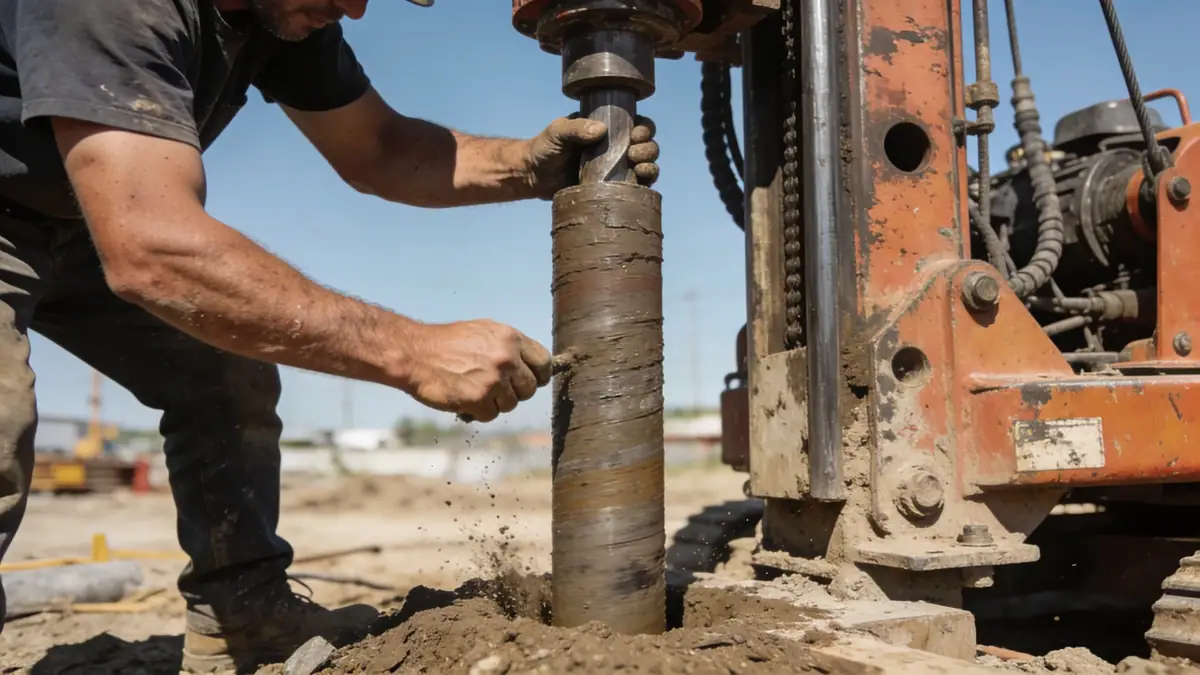
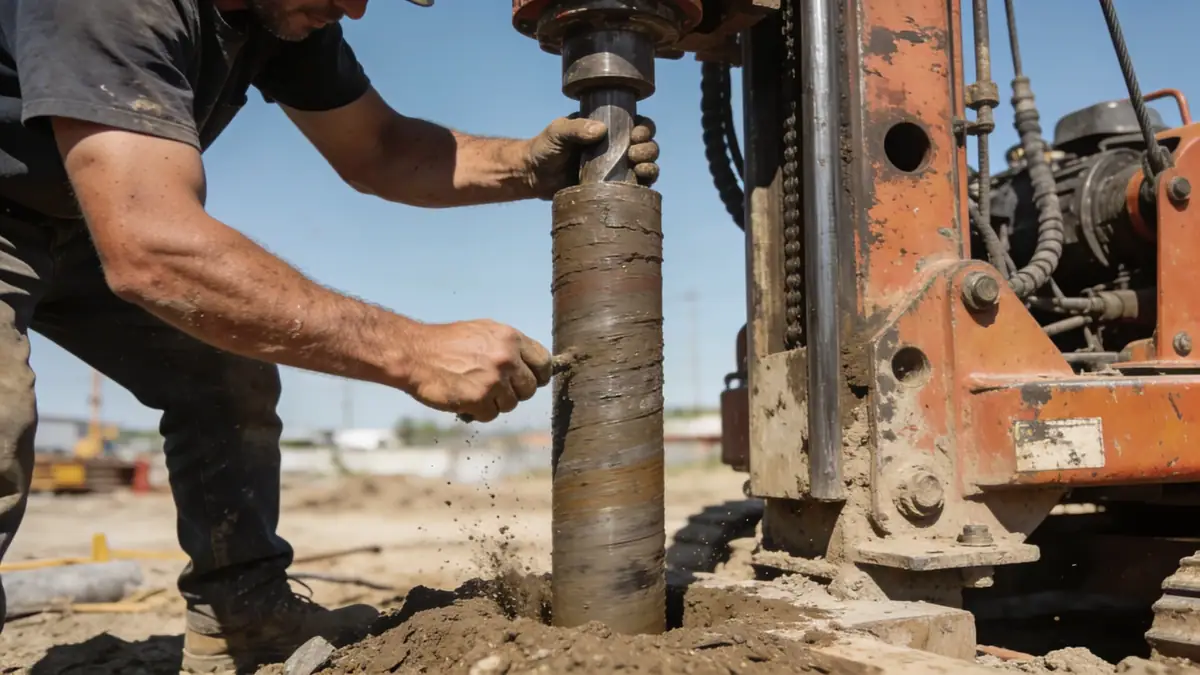
Our methodology in Charlotte begins with a comprehensive review of existing geotechnical data and local geological maps. We then conduct field exploration programs, including spt boring at intervals of 1.0 to 1.5 meters per ASTM D1586, complemented by soil sampling for laboratory testing. Our approach integrates continuous observation of groundwater levels and bedrock depth to characterize soil behavior under static and seismic loading. We analyze soil strength parameters such as cohesion and friction angle through triaxial tests and direct shear tests, ensuring that our designs comply with the North Carolina Building Code and ASCE 7 seismic provisions. This systematic process allows us to deliver precise geotechnical recommendations for foundations, retaining walls, and slope stabilization.
Reference Technical Parameters
| Parameter | Reference Value |
|---|---|
| Predominant soil type | Residual silty sands and clays (saprolite) |
| Maximum seismic acceleration (PGA) | 0.15g (ASCE 7, Site Class C) |
| Typical groundwater level | 5–15 feet below ground surface |
| Bedrock depth | 10–40 feet (weathered metamorphic rock) |
| Typical N60 range | 10–40 blows per foot (SPT) |
Local Considerations — Charlotte
Charlotte's geology is dominated by Piedmont residual soils, which are highly variable due to differential weathering. Our team accounts for this by requiring detailed subsurface investigations that identify soft zones, perched water, and bedrock irregularities. Seismic design follows the North Carolina Building Code with PGA values up to 0.15g. For comparison, our experience in geotechnical engineering en Atlanta involves similar Piedmont conditions but with deeper saprolite profiles. In Charlotte, we emphasize slope stability for developments near steep terrain and retaining wall design for cut-and-fill transitions. Typical challenges include expansive clays in the western suburbs and groundwater management in low-lying areas near the Catawba River.
Request a Quote
Our team reviews your project and issues an initial report at no cost.
Or write us directly at [email protected]
Services in Charlotte
Applicable Standards
- ASTM D1586 (Standard Penetration Test)
- ASCE 7 (Minimum Design Loads for Buildings and Other Structures)
- North Carolina Building Code (IBC-based)
- ASTM D2487 (Classification of Soils for Engineering Purposes)
- ASTM D3080 (Direct Shear Test of Soils Under Consolidated Drained Conditions)
Frequently Asked Questions
What are the typical soil conditions in Charlotte for foundation design?
Charlotte's soils are predominantly residual silty sands and clays derived from weathered metamorphic rock. These soils can be highly variable, with N60 values ranging from 10 to 40. Bedrock is typically encountered at depths of 10 to 40 feet. Foundation design must account for potential settlement and groundwater fluctuations.
Is seismic design required in Charlotte?
Yes, the North Carolina Building Code requires seismic design per ASCE 7. Charlotte is in Seismic Design Category B with a maximum considered earthquake (MCE) PGA of 0.15g. Site-specific response spectra may be needed for critical structures, especially on soft soil sites.
Are geotechnical studies mandatory for construction in Charlotte?
For most commercial and multi-family residential projects, geotechnical investigations are required by the building code to determine soil bearing capacity, settlement potential, and groundwater conditions. Single-family homes may not be mandated, but we recommend them to avoid costly structural issues.