Methodology

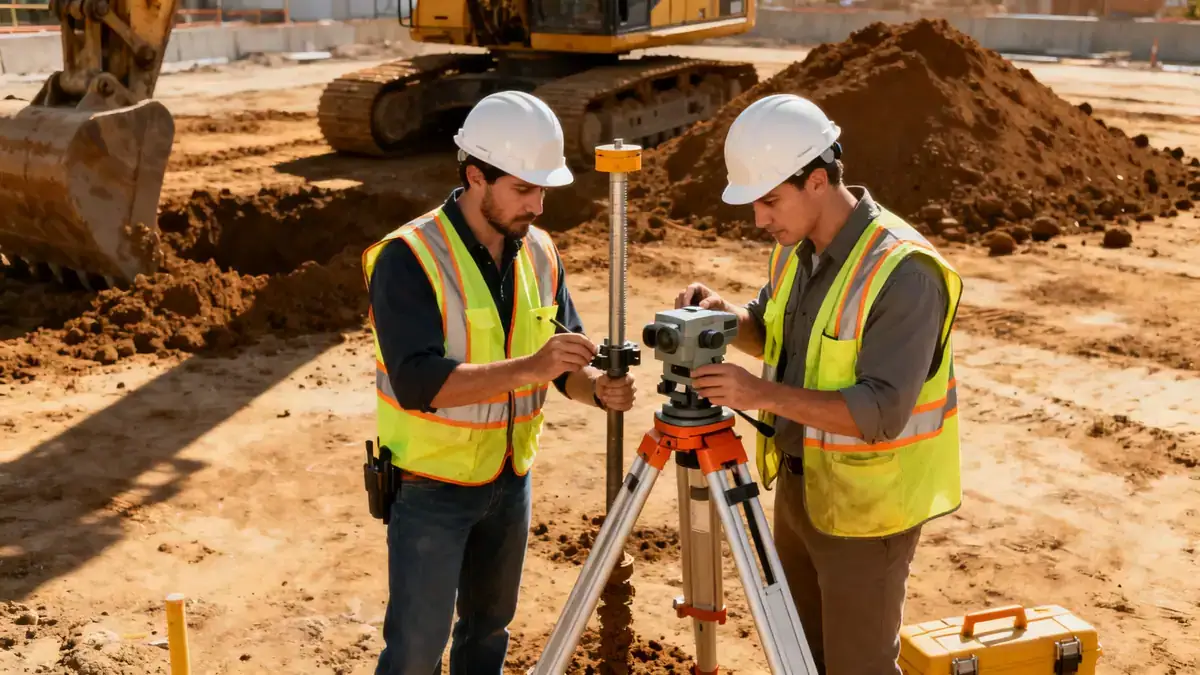
Our methodology for geotechnical engineering in Augusta Georgia integrates standard penetration testing (ASTM D1586) with advanced laboratory analyses to characterize the soil profile. We conduct spt boring to obtain undisturbed samples and measure N-values, correlating them with soil strength and density. This data informs our bearing capacity calculations and settlement analyses. For seismic design per ASCE 7, we assess site class based on shear wave velocity or SPT N-values. Our approach ensures that foundation recommendations—whether shallow or deep—are optimized for the local geology, reducing construction risks and costs.
Reference Technical Parameters
| Parameter | Reference Value |
|---|---|
| Predominant soil type | Sand, clayey sand, and sandy clay (Hawthorne Formation) |
| Maximum seismic acceleration (PGA) | 0.10–0.15 g (IBC 2021, Site Class D) |
| Typical groundwater level | 3–8 m below grade (seasonal variation) |
| Bedrock depth | 15–30 m (Paleozoic crystalline basement) |
| Typical N60 range (SPT) | 10–30 blows/0.3 m (medium dense to dense sand) |
Local Considerations — Augusta Georgia
Augusta's geology is dominated by the Coastal Plain, underlain by the Hawthorne Formation (Miocene) and McBean Formation (Eocene), consisting of interbedded sands, clays, and limestone. The Savannah River floodplain introduces alluvial deposits with high plasticity and soft clays, posing consolidation risks. Seismic hazard is moderate, with peak ground accelerations of 0.10–0.15 g (IBC 2021), requiring site-specific response analysis. Development in areas like Summerville (higher ground) contrasts with riverfront parcels where groundwater is shallow. Typical challenges include expansive clays and karst features in limestone. For regional context, our team coordinates with our geotechnical engineering en Atlanta office, leveraging broader expertise. We also apply slope stability analyses for excavations and embankments in the area.
Request a Quote
Our team reviews your project and issues an initial report at no cost.
Or write us directly at [email protected]
Services in Augusta Georgia
Applicable Standards
- ASTM D1586 (Standard Penetration Test)
- ASCE 7-22 (Minimum Design Loads and Associated Criteria for Buildings and Other Structures)
- IBC 2021 (International Building Code)
- ASTM D2487 (Classification of Soils for Engineering Purposes)
- Georgia State Amendments to the IBC
Frequently Asked Questions
What soil types are most common in Augusta, Georgia?
Augusta's soils are predominantly sands, clayey sands, and sandy clays from the Hawthorne and McBean formations. In the Savannah River floodplain, alluvial deposits include soft clays and silts. These variations require site-specific testing to determine bearing capacity and settlement characteristics.
Is seismic design required for structures in Augusta?
Yes, per IBC 2021 and ASCE 7, Augusta is in Seismic Design Category B to C, with peak ground acceleration of 0.10–0.15 g. Site-specific seismic analysis may be needed for critical facilities or sites with soft soils to evaluate liquefaction and ground motion amplification.
Are geotechnical investigations mandatory for construction in Augusta?
The IBC requires a geotechnical investigation for most commercial and multi-family projects. Local amendments in Augusta may also mandate subsurface exploration for residential developments on problematic soils, such as expansive clays or fill. Always consult local building officials.